

Mediterranean Shipwrecks Kill 51, Exposing Urgent Need for Safe Routes
The Mediterranean remains the primary gateway to Europe for refugees and migrants—and one of the deadliest.
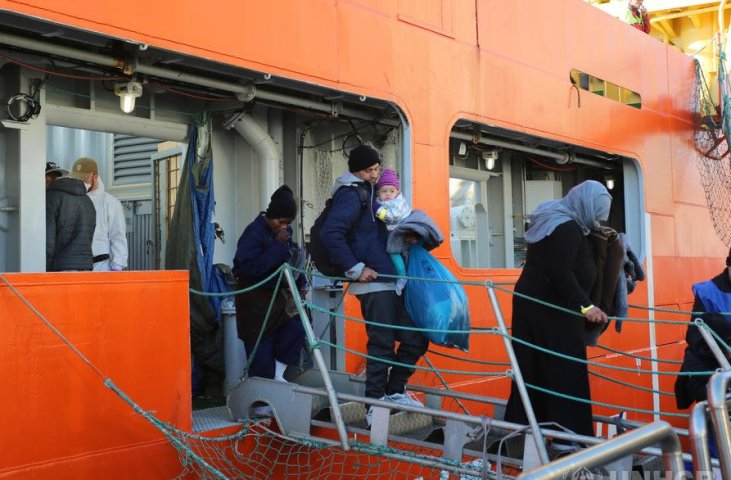
The deaths of at least 51 people in two recent shipwrecks near Lampedusa and Malta have once again laid bare the deadly cost of inaction in the Mediterranean, the world's most lethal migration route.
According to preliminary reports, 61 people survived the two incidents, while at least two remain missing. With multiple unconfirmed distress cases reported across the Mediterranean in recent days, the true human toll is likely far higher. Each loss underscores the same brutal reality: people fleeing war, persecution and instability are left with no choice but to risk their lives at sea.
These tragedies unfolded as Cyclone Harry swept across Tunisia, Malta and southern Italy, severely hampering rescue operations. Distress calls reportedly lacked precise coordinates due to extreme weather, delaying life-saving assistance and highlighting persistent gaps in maritime search-and-rescue capacity during emergencies.
The Mediterranean remains the primary gateway to Europe for refugees and migrants—and one of the deadliest. In 2025 alone, more than 146,000 people attempted sea crossings to Europe. During the same period, at least 1,953 people were recorded dead or missing, based on data from UNHCR, national authorities and humanitarian partners.
UNHCR warns that these deaths are not isolated accidents but part of a long-standing, preventable pattern. Desperation is driving people onto overcrowded and unseaworthy boats because safe, legal alternatives remain painfully scarce.
To address this, UNHCR is advancing a route-based protection approach—an innovative framework that shifts the focus upstream. By identifying protection needs earlier along migration routes, strengthening access to asylum systems, and expanding protection services in countries of origin, transit and asylum, the approach aims to reduce reliance on dangerous sea crossings before they begin.
Crucially, UNHCR is calling for early adopters among States, donors and regional actors to scale up safe and regular pathways, including resettlement, humanitarian admissions and complementary legal routes. These programmes already exist, but at nowhere near the scale required. In 2025, fewer than 3,000 refugees were resettled from North Africa, with places limited to only the most vulnerable cases—a fraction of what is needed.
"These shipwrecks should never be accepted as inevitable," UNHCR said. "They are the direct consequence of policy choices that leave people without safe alternatives."
The agency is urging governments to act decisively now: invest in coordinated search-and-rescue operations, expand legal pathways for refugees and asylum-seekers, and adopt route-based solutions that save lives before journeys turn fatal.
Without bold collective action, the Mediterranean will continue to claim lives. With it, these deaths can be prevented—and the sea need no longer serve as a graveyard for those seeking safety.
ALSO READ
-
Refugee Protection Nears Breaking Point: UN Funding Cuts Put 8.3 Million Lives at Risk
-
Refugees and Host Communities in Ethiopia at Heart of New ILO and UNHCR Work Pact
-
Yemen Violence Displaces 130,000 as Shelters Fill and Aid Funding Runs Short
-
Sahel Displacement Reaches 3.8 Million as UN Calls for Investment in Lives and Futures
-
Yemen Families Risk Deadly Sea Crossing as Djibouti Struggles to Shelter Thousands


 Google News