

Volker Türk Warns Middle East Conflict Hitting Civilians Hardest, Risks Regional Catastrophe
Key energy sites such as South Pars in Iran and Ras Laffan in Qatar have come under threat or attack, raising fears of long-term humanitarian, environmental, and economic fallout.
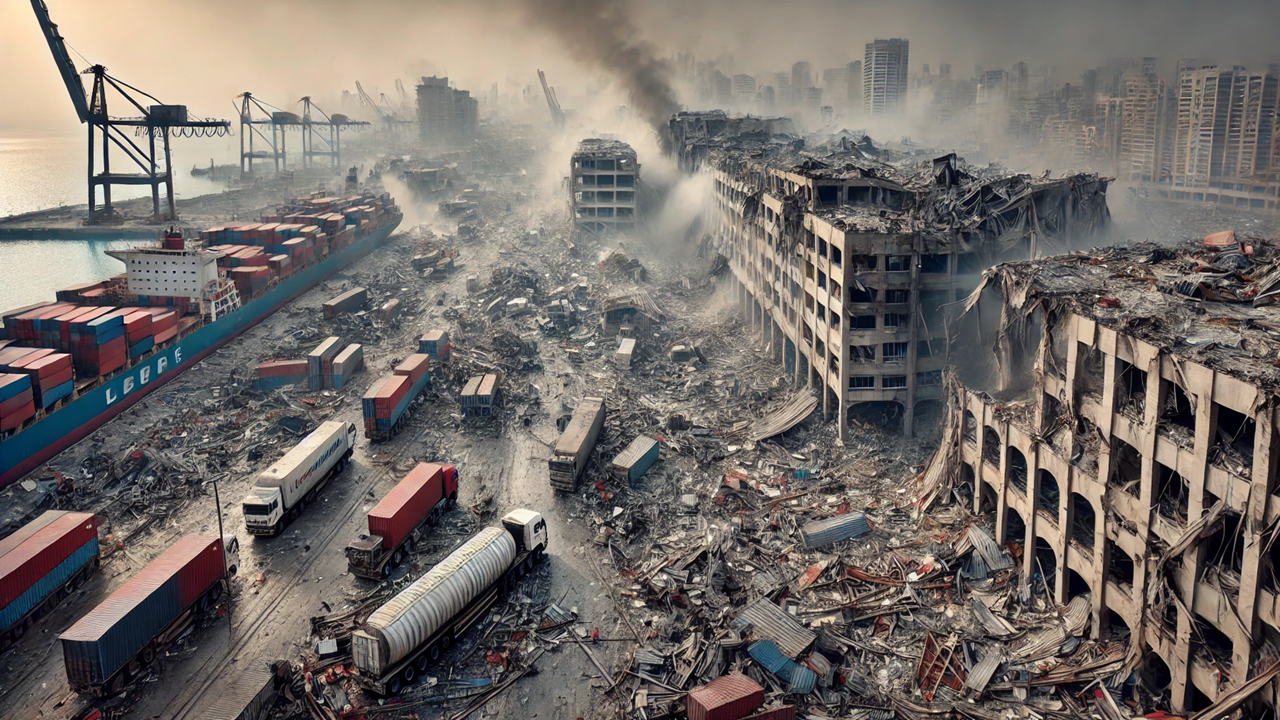
Nearly three weeks after US and Israeli strikes on Iran began, the conflict is rapidly intensifying with devastating consequences for civilians across the Middle East, UN High Commissioner for Human Rights Volker Türk warned, as attacks increasingly target densely populated areas and critical energy infrastructure.
"The human cost of this reckless war is alarming," Türk said. "Hostilities are being waged without regard to the immediate and long-term consequences for civilians across the entire region."
Shift Toward Civilian Areas and Strategic Infrastructure
The conflict has entered a more dangerous phase, with strikes now increasingly hitting:
-
Urban, densely populated areas
-
Major oil and gas facilities
-
Civilian infrastructure critical for daily life
Key energy sites such as South Pars in Iran and Ras Laffan in Qatar have come under threat or attack, raising fears of long-term humanitarian, environmental, and economic fallout.
"Attacks on energy infrastructure will only compound hardship," Türk warned, noting that continued escalation could trigger consequences lasting years.
Massive Civilian Impact Inside Iran
The scale of damage within Iran is significant and growing. According to the Iranian Red Crescent:
-
67,414 civilian sites have reportedly been struck
-
Including 498 schools and 236 health facilities
Strikes have affected:
-
Housing complexes
-
Medical centres
-
Schools and shops
-
Courthouses
-
UNESCO World Heritage sites
-
Energy installations
Beyond immediate casualties, the conflict is causing systemic disruptions, including:
-
Electricity shortages
-
Scarcity of essential goods such as medicine, fuel, and infant formula
Regional Spillover Intensifies Crisis
The conflict is no longer contained within Iran, with cross-border attacks and retaliatory strikes spreading instability across the region.
-
Lebanon: Ongoing Israeli strikes have caused heavy civilian casualties, widespread infrastructure damage, and displacement of over one million people
-
Israel: Iranian strikes and Hezbollah rocket fire have hit residential areas, resulting in deaths and destruction
Meanwhile, Iranian missile and drone activity has extended to multiple countries, including:
-
Bahrain
-
Iraq
-
Jordan
-
Kuwait
-
Oman
-
Qatar
-
Saudi Arabia
-
United Arab Emirates
Targets have included:
-
Airports and ports
-
Hotels and diplomatic buildings
-
Energy facilities and tankers
These attacks—and interceptions over populated areas—have led to civilian deaths, injuries, and major disruptions to aviation and shipping.
Migrant Workers Among the Most Vulnerable
Foreign nationals, particularly migrant workers from South Asia, are among those killed and injured—often due to falling debris and shrapnel.
Many of these workers live or work near strategic infrastructure, placing them at heightened risk of exposure during attacks.
War Crimes Concerns and Legal Violations
Türk issued a strong warning that attacks on civilian objects and essential infrastructure may constitute war crimes under international humanitarian law.
"The law of war is clear: objects that provide services to the civilian population are civilian objects," he said.
He stressed that all parties are bound by legal obligations regardless of the actions of others, including:
-
Taking all feasible measures to protect civilians
-
Avoiding damage to civilian infrastructure
-
Respecting proportionality and distinction principles
Rising Repression and Human Rights Concerns in Iran
Alongside the external conflict, the internal human rights situation in Iran is deteriorating:
-
Reports of mass arrests and crackdowns
-
Ongoing internet shutdowns
-
Concerns over political prisoners, including limited access to food
-
Risks of enforced disappearances and executions
At least four executions have been reported, three linked to the January 2026 nationwide protests.
Shrinking Civic Space Across the Region
Several countries in the region are also tightening internal controls, with:
-
Arrests linked to alleged espionage or treason
-
Detentions for sharing conflict-related content
-
Broader restrictions on freedom of expression
"In times of war, the rule of law and human rights obligations continue to apply," Türk emphasized. "War is not a carte blanche to violate human rights."
Urgent Call for Diplomacy
With the region on edge and escalation risks mounting, Türk called for immediate diplomatic intervention to prevent further catastrophe.
"To pull the region back from the brink and prevent further loss of civilian life, renewed diplomatic efforts are critical," he said.
Conflict Overshadows Eid Amid Fear and Uncertainty
As millions prepare to observe Eid al-Fitr, the High Commissioner noted that many across the region are doing so under conditions of fear, displacement, and uncertainty.
"I extend my Eid wishes to all those who observe it, and my heartfelt solidarity to those enduring the hardships of conflict and instability," Türk said.
A Region at a Breaking Point
The escalating conflict underscores the interconnected risks of modern warfare, where attacks on infrastructure, cross-border escalation, and humanitarian breakdowns can rapidly spiral into regional crisis with global implications.
Without urgent de-escalation, the UN warns, the consequences could be prolonged, far-reaching, and irreversible.
ALSO READ
-
Tanzania’s Economy Gains Momentum, but Better Jobs Hold the Key to Broader National Prosperity
-
Seychelles Growth Set to Slow to 1% as Tourism Feels the Middle East Conflict’s Impact
-
ADB Approves $1.5 Billion to Protect Philippines From Conflict-Driven Price Hikes
-
Surge in Mortgage Rates Amid Labor Market Stability and Middle East Conflict
-
Escalating Middle East Conflict Threatens Global Oil Supply


 Google News