

Global Aquaculture Sector Gets ILO Workplace Safety and Health Guidelines
The creation of the first international occupational safety and health code for aquaculture marks a significant achievement for the sector and for global labour standards.
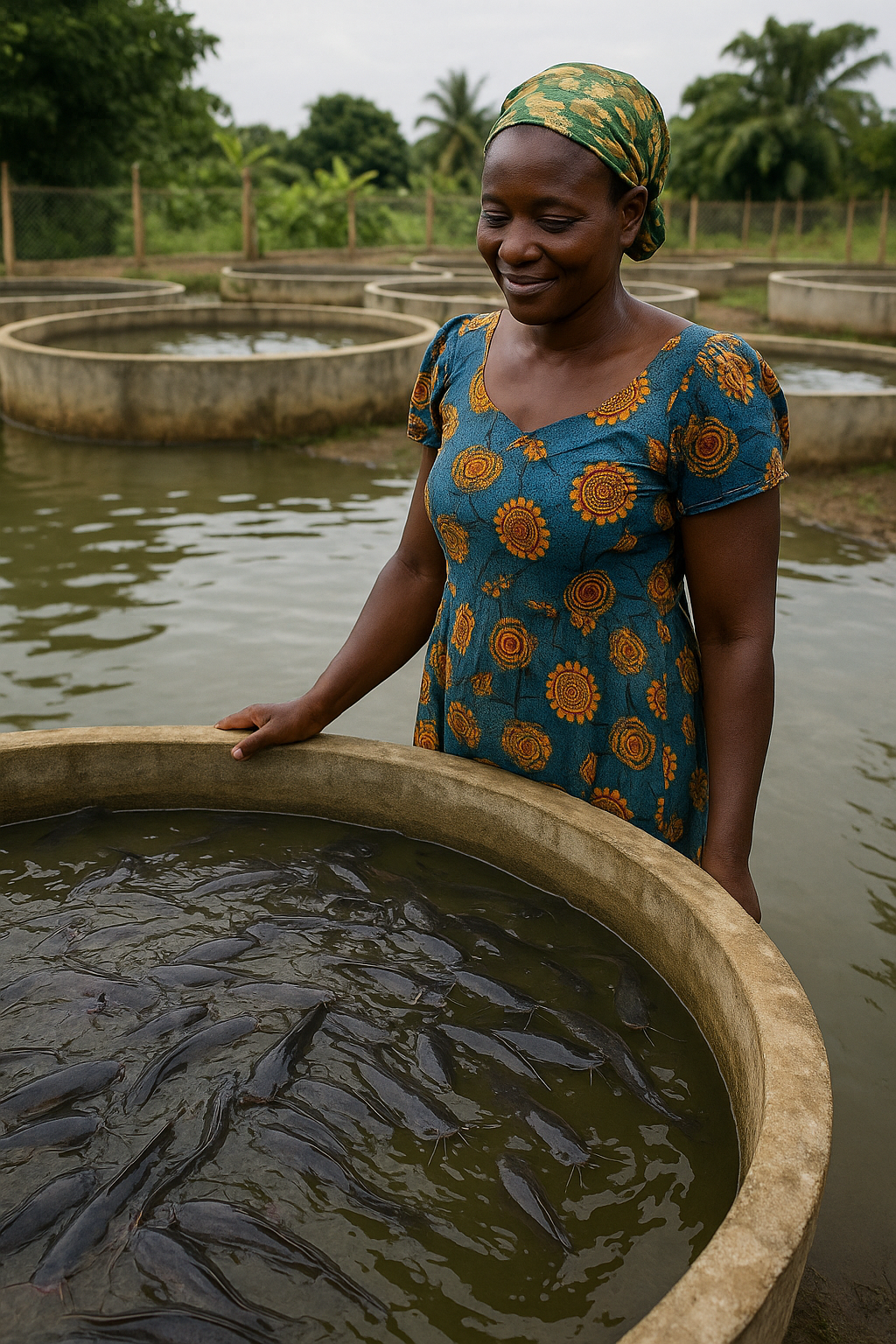
In a major milestone for worker protection and sustainable food production, experts representing governments, employers, and workers have adopted the world's first international Code of Practice on Occupational Safety and Health (OSH) in aquaculture. The landmark agreement is expected to strengthen workplace safety standards across one of the fastest-growing food production sectors globally, helping safeguard millions of workers involved in fish farming and aquatic food production.
The adoption of the code comes at a critical time as aquaculture continues to expand rapidly to meet rising global demand for seafood and protein-rich food products. While the industry has become an increasingly important contributor to food security, poverty reduction, employment generation, and economic growth, concerns have persisted regarding workplace conditions and occupational hazards faced by workers throughout the sector.
The newly adopted code seeks to address these challenges by providing comprehensive guidance to governments, employers, workers, and industry stakeholders on creating safer and healthier working environments across aquaculture operations worldwide.
Aquaculture's Growing Role in Global Food Systems
Aquaculture has emerged as one of the most dynamic sectors within the global food economy over the past several decades. The farming of fish, shellfish, seaweed, and other aquatic organisms now supplies a significant portion of the world's seafood consumption and plays an increasingly important role in ensuring food security for growing populations.
According to international development experts, aquaculture has become a powerful engine for economic development, particularly in rural and coastal communities where employment opportunities may be limited. The sector supports millions of livelihoods through direct employment and associated value chains, including processing, transportation, marketing, equipment manufacturing, and feed production.
For many developing countries, aquaculture offers opportunities to diversify local economies, generate export revenues, and improve household incomes. Small-scale fish farmers, women entrepreneurs, and rural communities have particularly benefited from the sector's expansion.
However, the industry's rapid growth has also exposed significant challenges related to labour standards, worker welfare, and occupational safety.
Persistent Safety Risks in the Industry
Despite its economic importance, aquaculture remains a sector where workers are frequently exposed to a wide range of occupational hazards. Employees often perform physically demanding tasks under challenging environmental conditions, sometimes with limited access to adequate safety equipment and training.
Workers may encounter risks associated with operating machinery, handling heavy equipment, working on floating structures, exposure to chemicals and veterinary products, adverse weather conditions, water-related accidents, and repetitive manual labour. In some cases, inadequate safety procedures can increase the likelihood of workplace injuries, illnesses, and fatalities.
Experts have also highlighted concerns regarding insufficient occupational health monitoring, limited awareness of workplace hazards, and gaps in regulatory enforcement in various parts of the world.
These challenges have contributed to what labour organizations describe as "decent work deficits" within parts of the aquaculture sector, undermining efforts to build a sustainable and inclusive industry.
First Global Framework for Worker Protection
The newly adopted code represents the first comprehensive international framework specifically focused on occupational safety and health in aquaculture.
Built upon core International Labour Organization conventions and internationally recognized labour standards, the code provides practical recommendations that can be adapted and implemented across diverse aquaculture operations, regardless of their size or geographical location.
The guidance is intended for a wide range of stakeholders, including government authorities, employers, workers' organizations, labour inspectors, industry associations, and training institutions.
Its primary objective is to help prevent work-related injuries, illnesses, and fatalities while promoting a culture of safety and prevention throughout the sector.
The code also seeks to encourage stronger collaboration among governments, employers, and workers in developing and implementing effective occupational safety policies.
Supporting Sustainable Growth Through Safe Workplaces
Industry experts increasingly recognize that worker safety is not only a labour issue but also a key factor in the long-term sustainability and productivity of aquaculture operations.
Safe workplaces contribute to improved efficiency, reduced operational disruptions, higher worker morale, and lower costs associated with accidents and health-related absences. They also help businesses maintain compliance with national and international standards, which can enhance market access and consumer confidence.
As global supply chains become more focused on sustainability and ethical production practices, strong occupational safety standards are becoming an essential component of responsible aquaculture management.
The new code therefore aligns workplace protection with broader goals related to sustainable development, food security, environmental responsibility, and social inclusion.
Social Dialogue Drives Historic Agreement
The adoption of the code has been widely praised as an example of successful social dialogue among governments, employers, and workers.
Representatives participating in the discussions emphasized that the final document reflects a shared commitment to protecting workers while supporting the continued development of the industry.
Labour experts noted that the process involved extensive consultations and collaborative negotiations aimed at balancing operational realities with the need for robust worker protections.
The resulting framework demonstrates how tripartite cooperation can produce practical solutions to emerging challenges within evolving sectors of the global economy.
Protecting Workers Across the Entire Value Chain
One of the strengths of the new code is its broad applicability across different components of aquaculture production systems.
The guidance is expected to benefit workers operating in fish farms, hatcheries, offshore aquaculture facilities, processing centres, transportation operations, support services, and related rural enterprises.
By addressing occupational risks throughout the production chain, the code aims to establish a more comprehensive approach to worker protection that recognizes the interconnected nature of modern aquaculture systems.
The framework also acknowledges the diversity of aquaculture operations worldwide, from small family-owned enterprises to large commercial production facilities.
Advancing Decent Work in the Agrifood Sector
The adoption of the code is expected to contribute to broader international efforts aimed at promoting decent work throughout the agrifood sector.
As governments seek to strengthen food systems and improve resilience against economic and environmental challenges, ensuring safe and healthy working conditions remains a critical priority. Occupational safety measures can help attract and retain skilled workers while supporting sustainable rural development.
The code is likely to serve as a valuable resource for policymakers developing national regulations, employers seeking to improve workplace practices, and workers advocating for safer conditions.
Its implementation could also encourage greater investment in training, risk assessment, preventive measures, and safety management systems across the industry.
A Significant Step Toward Safer and More Inclusive Aquaculture
The creation of the first international occupational safety and health code for aquaculture marks a significant achievement for the sector and for global labour standards.
As aquaculture continues to expand its contribution to food production, employment, and economic development, ensuring that workers operate in safe and healthy environments will be essential to sustaining that growth. The new code provides a practical roadmap for achieving that objective while reinforcing the principle that economic progress and worker protection must advance together.
By promoting safer workplaces, stronger labour protections, and a culture of prevention, the initiative has the potential to improve the lives of millions of aquaculture workers worldwide and support the development of more resilient, equitable, and sustainable food systems for future generations.
ALSO READ
-
Cambodia’s Career Fair Draws Young Jobseekers to Explore 35,000 Opportunities
-
Africa’s Informal Workers Power Trade but Have Little Say in Rules Shaping Lives
-
Jordan’s Skills Recognition Programme Opens New Opportunities for Workers
-
Vietnam Rethinks Ageing as Jobs, Skills and the Care Economy Become Economic Priorities
-
Viet Nam Puts Older Workers at the Heart of a New Plan for Jobs, Skills and Care


 Google News