

Afghanistan Jobs Rise as Women Face Deepening Exclusion
Population growth has moved faster than job creation, leaving the employment-to-population ratio at an estimated 32.5 per cent, more than four percentage points below the level recorded in 2020.
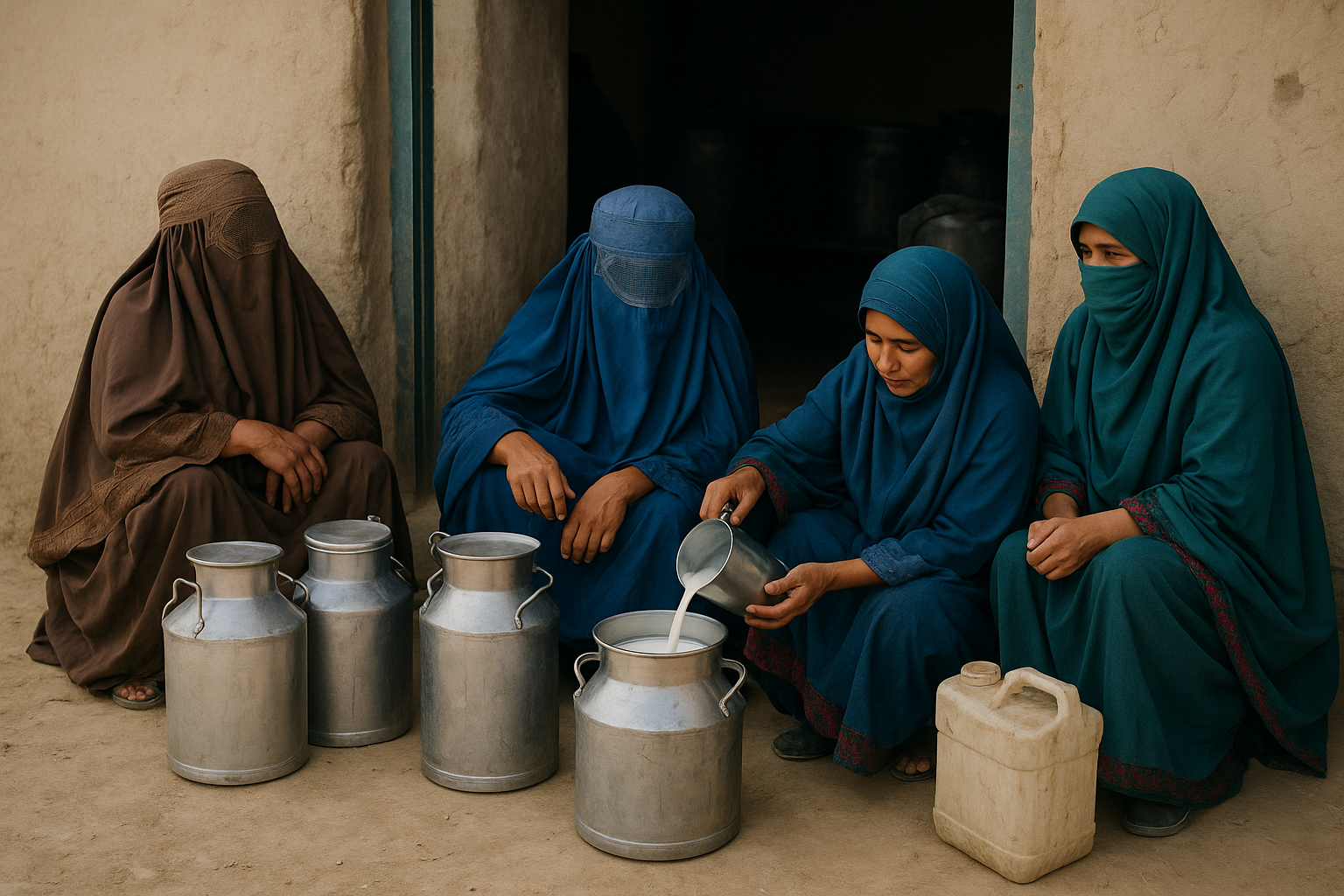
- Country:
- Afghanistan
Five years after the Taliban returned to power, Afghanistan has more people in work than during the economic collapse that followed the 2021 takeover, yet the recovery has left women increasingly shut out of employment and has failed to create enough jobs for a growing population, according to a new International Labour Organization assessment.
Employment is estimated to have risen by 14 per cent from its 2022 low to nearly 8.5 million people in 2026. Population growth has moved faster than job creation, leaving the employment-to-population ratio at an estimated 32.5 per cent, more than four percentage points below the level recorded in 2020.
The figures point to a labour market that has recovered in size without returning to its earlier structure. Job growth has been concentrated entirely among men, while restrictions and barriers affecting women have produced one of the widest gender gaps in employment anywhere in the world.
Employment recovery has been driven entirely by men
Male employment in Afghanistan is estimated to be around 22 per cent higher in 2026 than it was in 2020, making men the sole source of the country's overall employment growth during the period covered by the ILO assessment. Women have experienced the opposite trajectory. Female employment declined slightly in 2021 before falling sharply during 2022 to less than one-third of its 2020 level, followed by only a marginal recovery in subsequent years.
Afghanistan is now estimated to have the world's second-lowest female labour force participation rate, illustrating how extensively women have been removed from economic life as restrictions have narrowed their opportunities to study, work and participate in public activities. Tite Habiyakare, Senior Coordinator and Head of the ILO Office for Afghanistan, said the country cannot create a resilient labour market while such a large part of its population remains outside economic activity. Expanding women's access to productive jobs is considered essential not only for individual livelihoods but also for broader economic development.
Returning Afghans add pressure to limited job market
Large numbers of Afghans returning from Pakistan and Iran are creating another challenge for communities where poverty, underemployment and limited livelihood opportunities are already widespread. Returnees need ways to earn an income while rebuilding their lives, placing additional demand on a labour market that is struggling to generate sufficient employment for people already living in the country. Young people and other vulnerable workers face similar pressures as they compete for a limited number of productive opportunities.
External economic shocks could make those conditions harder. The ILO warns that the Middle East crisis could push up energy costs and contribute to inflation, raising everyday expenses for households whose incomes are already under strain. More than 70 per cent of Afghanistan's workers are employed in activities considered to have at least medium exposure to these pressures, meaning higher energy prices and broader inflation could affect a large share of working households.
ILO calls for jobs to remain central to economic response
The ILO is calling for productive employment to become a central part of Afghanistan's economic policy response, with greater support for private businesses, labour-intensive industries and micro, small and medium-sized enterprises that can generate work across communities.
Productive reintegration of returnees is another priority, alongside measures that protect vulnerable households from rising living costs and provide employment opportunities across all sections of the population. The organisation places particular emphasis on women, whose economic participation has fallen to exceptionally low levels.
Better information about the labour market will also be necessary for understanding where jobs are being created and which groups are being left behind. The ILO has called for renewed investment in regular and representative labour force data collection so employment policies can be built around a clearer picture of conditions across Afghanistan.
Five years after the Taliban takeover, the headline increase in employment offers only a partial picture of the country's labour market. The deeper challenge is creating enough productive work for a growing population while reversing the exclusion of women and providing opportunities for returnees and young Afghans seeking a sustainable livelihood.
ALSO READ
-
Blast in Kabul Targets Education Hub: At Least 42 Children Injured
-
The Decline of Female Workforce Participation in Afghanistan
-
Extreme Heat Linked to Higher Worker Death Rates in Colombia
-
Seychelles Takes First Steps Toward Evidence-Based Living Wage
-
ILO Career Campaign Helps Iraqi Kurdistan Youth Find Decent Work


 Google News