

Shigeru Ishiba's Election Win: Upcoming Challenges & Strategic Moves
Shigeru Ishiba, Japan's new prime minister, announced a general election for Oct. 27 following his narrow victory in the LDP leadership race. Facing economic reactions and internal party challenges, Ishiba has started selecting key government officials. His strategic appointments aim to consolidate power amidst a fractious ruling group.
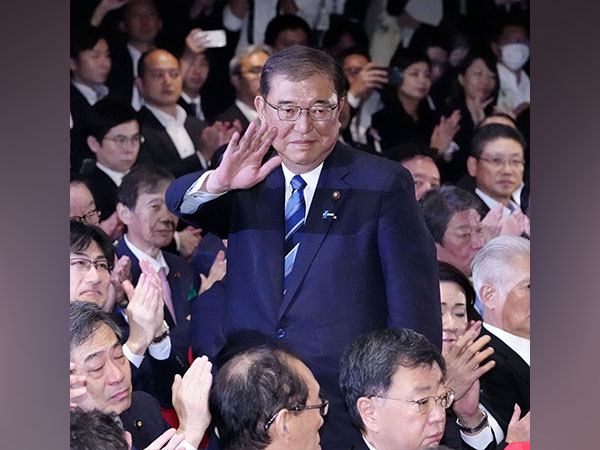
Japan's incoming prime minister, Shigeru Ishiba, revealed plans for a general election on Oct. 27 after a razor-thin victory in the Liberal Democratic Party leadership race. His win has stirred economic concerns, evident in the yen's strengthening and a 4% drop in Japanese shares.
With the election advancing by a year, the battle will determine control over parliament's lower house. Ishiba emphasized the importance of the new administration gaining public approval swiftly. He has immediately started assembling his team, including rival candidates Katsunobu Kato as finance minister and Yoshimasa Hayashi as chief cabinet secretary.
Despite these strategic appointments, the absence of hardline conservative Sanae Takaichi, whom he narrowly defeated, might pose future challenges. Political analyst Hiroshi Shiratori suggests it reflects potential weaknesses in Ishiba's support base. Ishiba, known for his defiance of party norms, now faces the dual challenge of navigating internal party dynamics and securing public trust.
ALSO READ
-
Japan-Backed ILO Projects Help 23,000 Workers Gain Rights and Fight Child Labour
-
South Korean President Lee Jae Myung Rules Out Second Term
-
Brazil's Presidential Runoff: Lula vs. Bolsonaro in Tight Race
-
Brazil's Welfare Boost Amid Election Tensions: Economic Lifeline or Political Strategy?
-
Reclaiming National Pride: Klopp’s Call for 'Positive Patriotism'


 Google News