

Deepfake Robocalls: The New Frontier in Election Deception
State officials across the U.S. are preparing for potential deepfake robocalls ahead of the presidential election. These AI-generated fake audio messages are difficult to identify and verify, posing significant challenges to election integrity. Authorities are developing strategies to counteract this emerging threat.
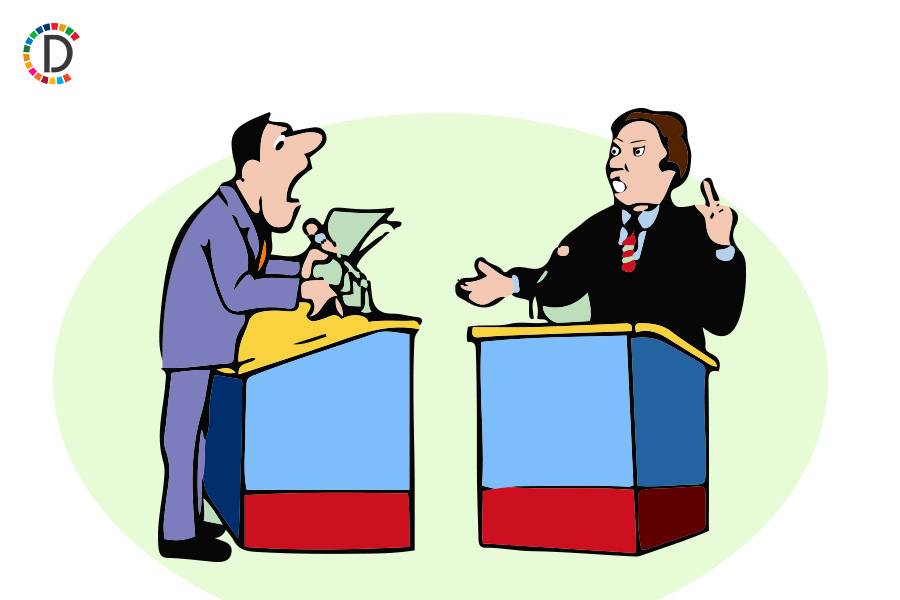
State officials from Arizona to Vermont are bracing for potential deepfake robocalls in the days leading up to the U.S. presidential election. The advent of rapidly developing generative AI technology has heightened concerns, as such audio messages are hard to detect and verify.
Officials are particularly vigilant following a January incident where a robocall impersonating President Joe Biden was circulated in New Hampshire, misleadingly telling Democrats to save their votes for later. The political consultant behind the call faced a hefty fine, underscoring the seriousness of the matter.
Efforts to combat this issue include using code words and instructing officials to report suspicious calls immediately. State officials are also engaging with local leaders to spread accurate information quickly. This proactive stance reflects a broader strategy to tackle misinformation and protect election integrity.
ALSO READ
-
South Korean President Lee Jae Myung Rules Out Second Term
-
Brazil's Presidential Runoff: Lula vs. Bolsonaro in Tight Race
-
Brazil's Welfare Boost Amid Election Tensions: Economic Lifeline or Political Strategy?
-
Reclaiming National Pride: Klopp’s Call for 'Positive Patriotism'
-
Brazil Boosts Bolsa Familia: A Strategic Move for Re-election


 Google News