

Indonesia's Court Limits Defamation Law Use in Favor of Free Speech
Indonesia's Constitutional Court partially approved an environment activist's petition, blocking governments and companies from filing defamation complaints over criticism. The amendment seeks to uphold free speech, allowing only victims of defamation to file complaints, thus preventing misuse of the Electronic Information and Transaction Law.
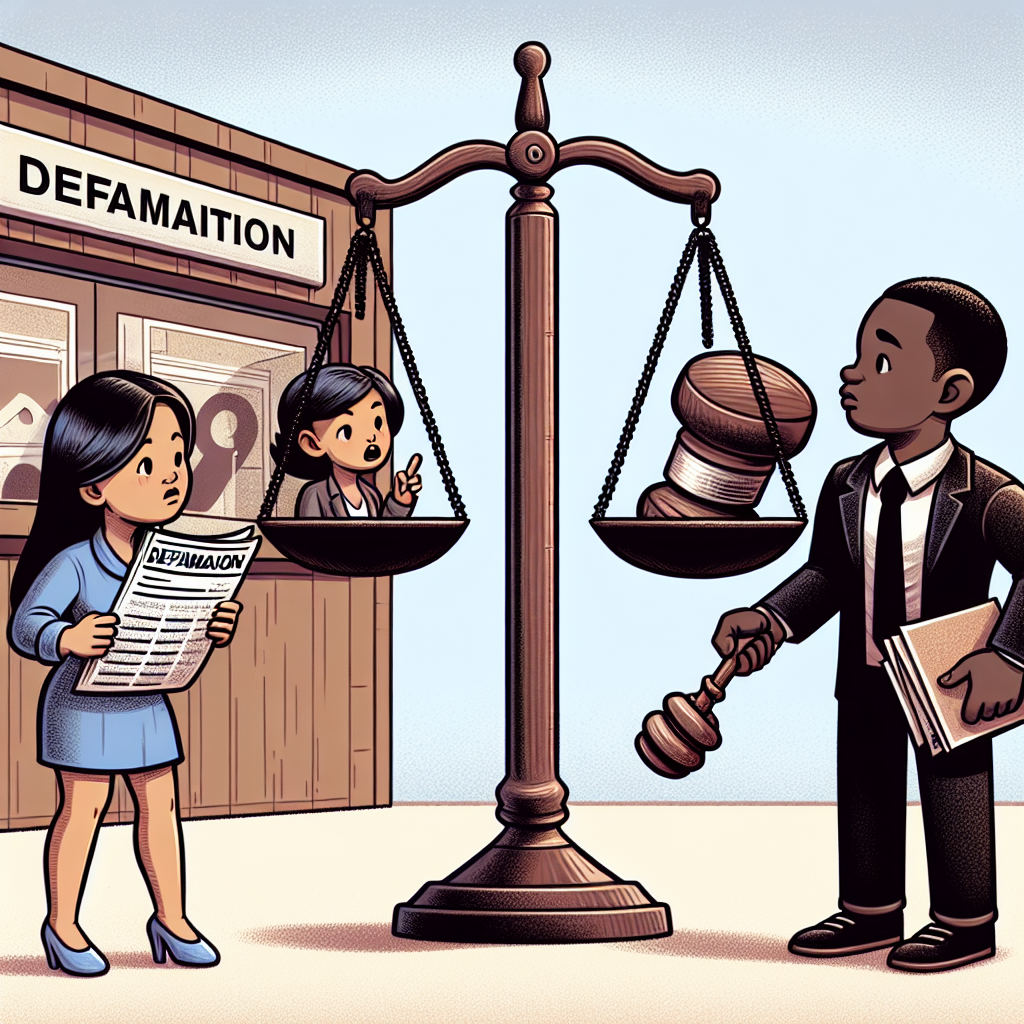
The Indonesian Constitutional Court has endorsed a petition by an environment activist, modifying the nation’s defamation law. The ruling now prevents government bodies and corporations from initiating defamation suits over criticism. This change aims at safeguarding free speech within one of the world’s largest democracies.
Human rights groups have consistently expressed concerns over the Electronic Information and Transaction Law, labeling it a threat to speech freedom. Daniel Frits Maurits Tangkilisan, an environment activist, had sought the removal of an article regulating defamation, arguing its misuse in silencing government critics.
The court clarified that defamation suits can solely be filed by directly affected individuals. The ruling, which takes immediate effect, was welcomed by human rights advocates. Although the government, represented by spokesperson Prasetyo Hadi, stated its compliance, it stressed the need for responsible use of free speech.


 Google News