

Singapore's Election: A Test of Governance and Political Dynamics
Singapore's upcoming parliamentary election acts as a significant test for new Prime Minister Lawrence Wong and his People's Action Party (PAP). While historically dominant, the PAP aims to maintain its political stronghold as it faces opposition calling for more diverse politics. Key issues include living costs, housing, and foreign workers.
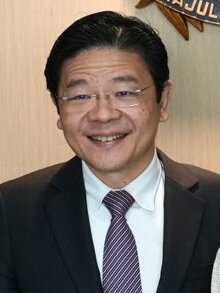
Singapore is gearing up for a pivotal parliamentary election on May 3, marking the first major electoral contest under new Prime Minister Lawrence Wong. His ruling People's Action Party (PAP), wielding an unbroken grip on the city-state since 1965, seeks to cement its authority with a stronger mandate.
The formidable PAP is all but certain to dominate the polls, as it has consistently done in past elections. Fielding candidates across all 33 constituencies, the party's strategic advantage lies in its substantial resources and membership network. Meanwhile, the opposition Workers' Party competes in only a quarter of the races, capable of winning just 26 seats at best.
While defeat remains unlikely for the PAP, the election carries potential ramifications for Singapore's political landscape. Opposition advances, particularly from younger voters seeking a pluralistic system, signal growing disenchantment with the ruling party's long-standing monopoly. Key campaign issues include living costs, housing crises, and employment challenges amid economic uncertainties.


 Google News