

DMK Challenges Electoral Roll Orders in Supreme Court
Tamil Nadu's DMK has moved the Supreme Court, questioning the legality of the Elections Commission's Special Intensive Revision of the Electoral Roll. The party claims the directive risks disenfranchising voters, violating constitutional rights and established electoral laws, and demands quashing of related orders and notifications.
- Country:
- India
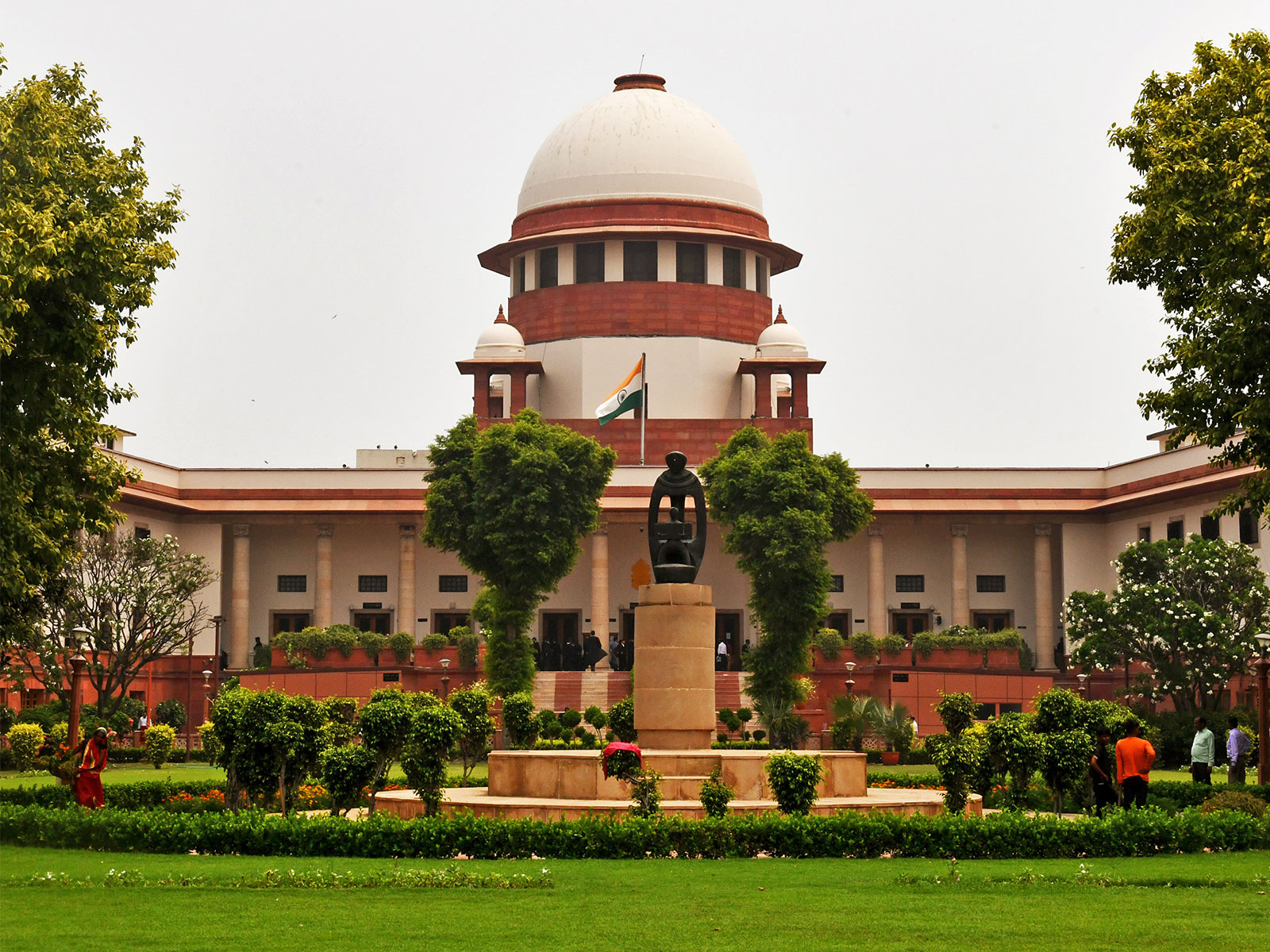
The ruling Dravida Munnetra Kazhagam (DMK) in Tamil Nadu has filed a petition with the Supreme Court, questioning the constitutional validity of the Election Commission of India's (ECI) Special Intensive Revision (SIR) of the Electoral Roll. They seek to annul the ECI's notification dated October 27.
The DMK contends that the ECI's orders, dated June 24 and October 27, could potentially disenfranchise numerous voters arbitrarily, undermining free and fair elections. These orders were deemed as infringing on Articles 14, 19, 21, 325, and 326 of the Constitution, alongside the Representation of the People Act, 1950 and the Registration of Electors Rules, 1960.
The petition further alleges that the stringent documentation requirements, lack of due process, and compressed timeline compromise the validity of the SIR. It argues that these factors, particularly in Tamil Nadu, risk erroneously removing vast numbers of valid voters from the electoral roll, as opposed to the completed Special Summary Revision (SSR) which already addressed such concerns.
DMK asserts that this move represents constitutional overreach as the ECI's authority under Article 324 should not override existing legislative frameworks. The ECI's declaration of a second phase of SIR across 12 regions, following its initial phase in Bihar, further stood contested.
The continuation of this process, set to culminate with a finalized voter list by February 7, 2026, impacts states including Tamil Nadu, highlighting the urgency of the DMK's plea in safeguarding electoral integrity and preventing voter disenfranchisement.


 Google News