

Bulgarian Prime Minister Steps Down Amid Protests Against Corruption
Bulgarian Prime Minister Rosen Zhelyazkov resigned following protests against his government's economic policies and approach to corruption. The resignation preceded a scheduled no-confidence vote and Bulgaria's euro zone entry. Demonstrations continue over social security and tax policies amidst deep political divisions.
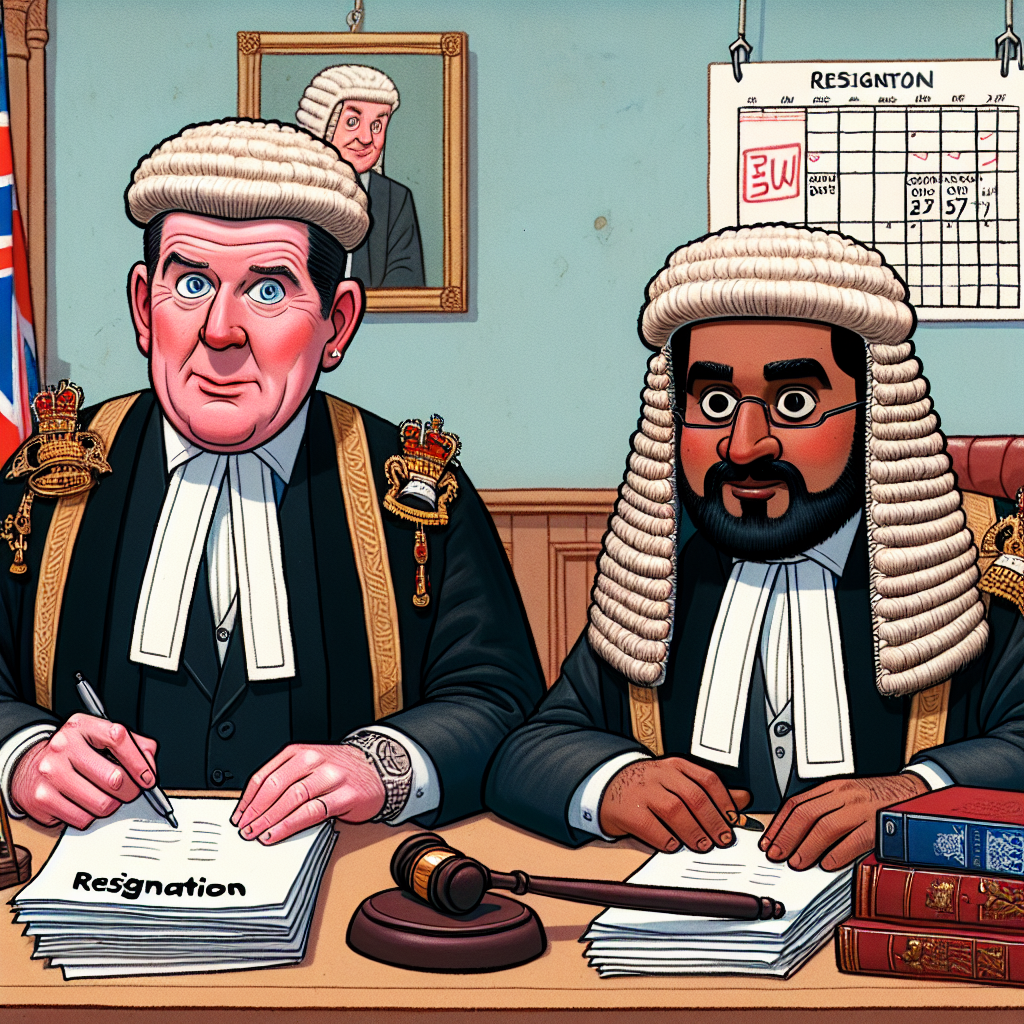
In a dramatic turn of events, Bulgarian Prime Minister Rosen Zhelyazkov submitted his resignation on Thursday, succumbing to mounting pressure from widespread protests over his government's economic strategies and perceived ineffectiveness in addressing corruption.
Zhelyazkov chose to resign just moments before a parliamentary no-confidence vote, mere weeks ahead of Bulgaria's anticipated entry into the euro zone on January 1. 'Our coalition thoroughly evaluated the current scenario and the critical challenges we must address,' Zhelyazkov stated in a televised address, emphasizing the government's intention to meet public expectations.
Persistent protests in Sofia and other towns highlight public discontent over corruption and economic policies. Despite withdrawing their 2026 budget plan, unrest continues, reflecting deep-seated political and social schisms. President Rumen Radev urged the government to resign and will facilitate forming either a new permanent or interim administration pending future elections.
ALSO READ
-
France's Ambitious Plan to Tame Deficit Amid Protests
-
France's Bold Budget Battle: A €54 Billion Deficit Dilemma
-
UN Report Links US to War Crimes in Iran Amidst Crackdown on Protests
-
Syria's Diesel Deal: A Government's Strategic Shift Amid Crisis
-
Bolivia's State of Emergency Extended Amid Ongoing Protests


 Google News