

EXPLAINER-Reality check for Johnson's Brexit: it's just the beginning
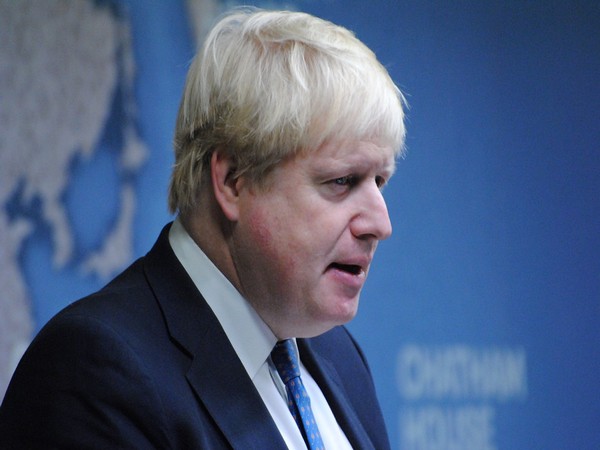
Prime Minister Boris Johnson won a sweeping election victory on a promise to "Get Brexit done", but a reality check awaits for voters hoping that the messy divorce is finally over. It's just the beginning.
Johnson should now be able to secure parliamentary approval for the withdrawal deal he struck with the European Union in October so Brexit happens on Jan. 31. Britain then goes into a transition period until the end of 2020, time enough, says Johnson, to negotiate a new relationship with the EU, including on trade.
But EU diplomats and officials say the following issues will be sticking points which could take Britain to the cliff edge of a no-deal exit one year from now. TIME
The EU hopes to start trade talks with Britain by March, leaving just 10 months to strike a deal and get it approved by London and the EU, including member states' parliaments. Trade agreements with the EU typically take years to complete, and few in Brussels believe the transition period will be long enough to seal a deal with Britain.
The transition period can be prolonged by one or two years but London must request an extension by the end of June. EXTENDING TRANSITION PERIOD?
With a large majority, Johnson may pay less heed to hardline Brexiteers in his party and renege on his pre-election pledge not to extend the transition period beyond 2020. "Johnson's success reduces the likelihood of no-deal next year, as it makes it more probable he will extend the transition period beyond December 2020 if he has to," said Mujtaba Rahman of the Eurasia think tank.
EU officials point out that the end-June deadline for extending the transition would not be easy to push back. If Britain were to stay in the transition period beyond the end of 2020, however, they say it would require a financial settlement as the EU enters its new 2021-27 budget. London would certainly be reluctant to keep on contributing to EU coffers so that discussion would be tricky.
LEVEL PLAYING FIELD The EU insists it will not seal a trade deal with a large, economically powerful neighbor without solid provisions to guarantee fair competition.
The EU's demands will focus on environmental and labor standards, as well as state aid rules to ensure Britain would not be able to offer products on the bloc's single market at unfairly low prices. In addition to Johnson's push for a "zero tariff, zero quota" trade deal, the bloc wants a guarantee of "zero dumping".
"If the UK becomes a cross between a casino and Singapore on the Thames, we will be very focused on level playing field issues," a senior EU diplomat said. Britain's conundrum is that it will be under pressure to loosen rules on agricultural and food standards to strike a bilateral trade deal with the United States, but this would be crossing a red line for the EU, which would restrict access to its market to protect its own producers.
FISHERIES Fishing is a thorny issue because EU countries will no longer be able to operate in British waters as they are now.
The two sides will probably negotiate fishing quotas, as the EU currently does with Norway, whereby so-called total allowable catches are shared among EU countries but officials say this will be a drawn-out and potentially acrimonious process. RULES OF ORIGIN
With industry supply chains in the EU currently crossing borders multiple times for products like cars and drugs, agreeing on exact rules to designate where products come from - and hence what regulations and taxes apply - will also be tricky. SECURITY & DATA SHARING
The EU and Britain have vowed to work closely on security, including by sharing sensitive data for criminal cases. However, agreeing on such procedures with third countries has proven complicated and time-consuming for the EU in the past. EXPECT THE UNEXPECTED?
EU diplomats said hardline Brexiteers will be weakened by Johnson's large majority and so he may favor closer integration with the EU as he negotiates a future relationship. He may also feel under less pressure to stick to his pre-election pledge not to extend the transition period beyond 2020.
However, if Johnson fails to reach an agreement with the EU by the end of next year, and he refuses to negotiate past his own deadline, then the legal default would be a no-deal divorce.
ALSO READ
-
Hotter Years, More Cavities? Understanding Link Between Climate and Dental Health
-
Europe’s Rare Earth Wake-Up Call: Turning Years of Research Into Factories That Last
-
Lebanon’s Small Business Owners Build Skills and Market Links With EU and ILO Support
-
Poltava University Reopens With Safer, Greener Spaces for Nearly 3,000 Campus Users
-
UNDP Urges Recovery From Day One as 160 Million People Risk Being Trapped in Crisis


 Google News