

Curiosity Mars rover takes alternative path after spotting knife-edged rocks
- Country:
- United States
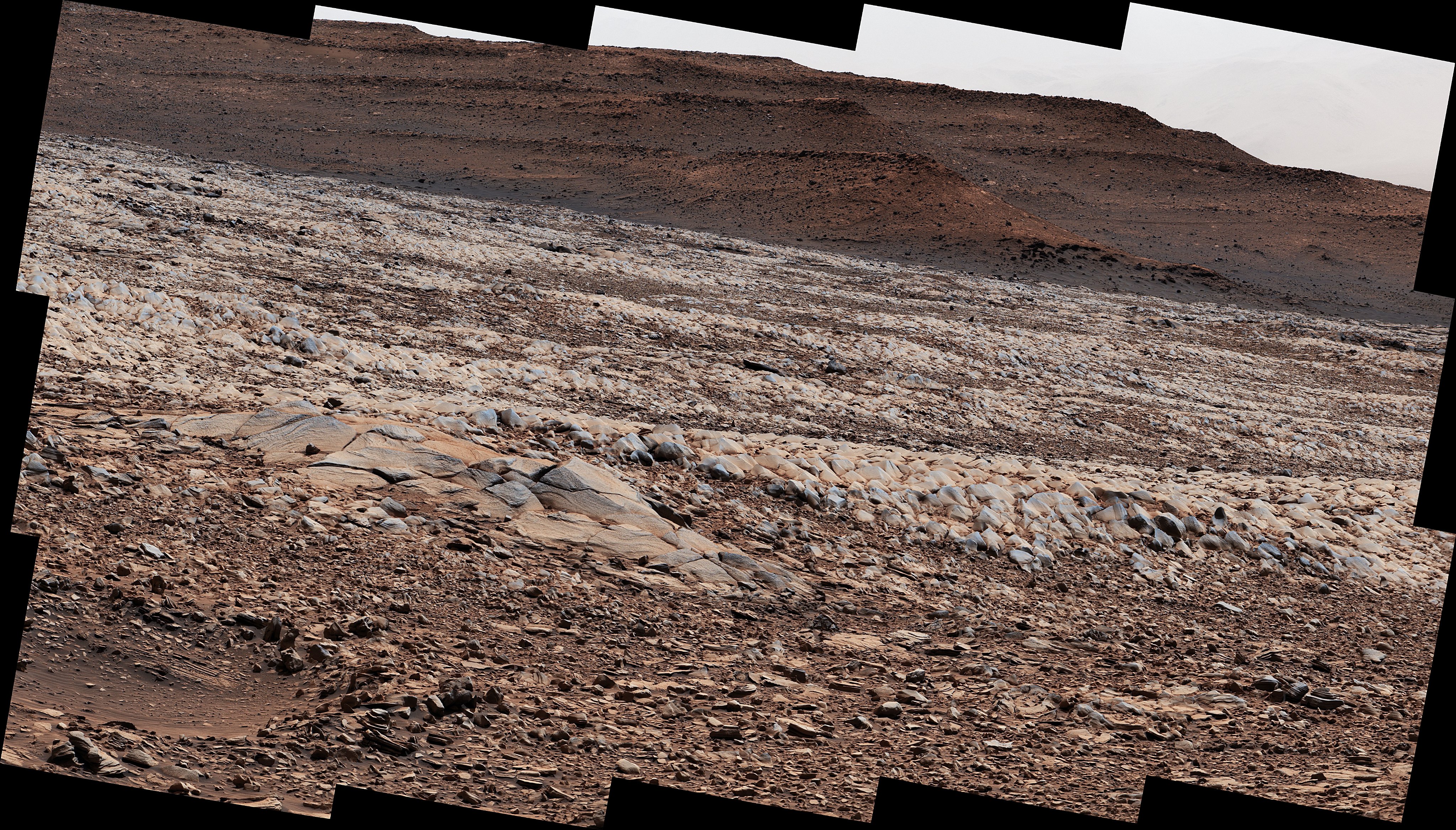
NASA's Curiosity Mars rover has taken an alternative path after spotting 'Gator-Back' rocks that could cause serious damage to its wheels. The team nicknamed them gator-back rocks because of their scaly appearance.
The rover is exploring Mount Sharp, a 5.5-kilometer-tall mountain on the Red Planet. According to the agency, on March 18, the mission team witnessed an unexpected terrain change ahead and realized they would have to turn around. The path before the Curiosity rover was carpeted with wind-sharpened rocks or ventifacts made of sandstone - the hardest type of rock the rover has encountered on Mars.
Curiosity saw these gator-back rocks on Greenheugh Pediment, a broad, sloping plain near the base of Mount Sharp that extends about 2 kilometres across. The rover then used its Mast Camera, or Mastcam, to survey the ventifacts.
Curiosity's wheels will be on safer ground as it leaves the gator-back terrain behind, but engineers are focused on other signs of wear on the rover's robotic arm, which carries its rock drill.
In March 2017, ventifacts chewed up the rover's wheels and since then, the mission engineers have found ways to slow wheel wear to reduce how frequently they need to assess the wheels. They also plan rover routes that avoid driving over such ventifacts including the latest gator-back rocks.
I've gotta protect my wheels 🛞After spotting some "gator-back" rocks, I'll be taking an alternate path as I continue to explore Mount Sharp. The wind-sharpened stones could cause serious damage to my wheels so it's best to avoid them. https://t.co/8RWUpSc9Rn pic.twitter.com/4u0RvHLLrg
— Curiosity Rover (@MarsCuriosity) April 7, 2022
Launched in 2011, Curiosity is the largest and most capable rover ever sent to the Martian surface. The rover was designed to determine habitability - whether the planet ever had an environment able to support small life forms called microbes.


 Google News