

Science News Roundup: Russia's space agency to launch Iranian satellite into orbit; World’s wildlife more at risk than realised and more
The spacecraft, a remote sensing satellite called "Khayyam", will be sent into orbit by a Soyuz rocket, Roscosmos said. World’s wildlife more at risk than realised - study The world's wildlife may be in more trouble than scientists have so far reported, new research published on Thursday suggests.
Following is a summary of current science news briefs.
Organ decay halted, cell function restored in pigs after death -study
Researchers have found that decay of tissues after death can be halted and cell functions restored based on early experiments in pigs that may eventually help increase the number of transplantable human organs. Sixty minutes after stopping the heart in the anesthetized animals, Yale researchers were able to restart the circulation using a specialized machine and a synthetic fluid carrying oxygen and other components that promote cellular health and suppress inflammation.
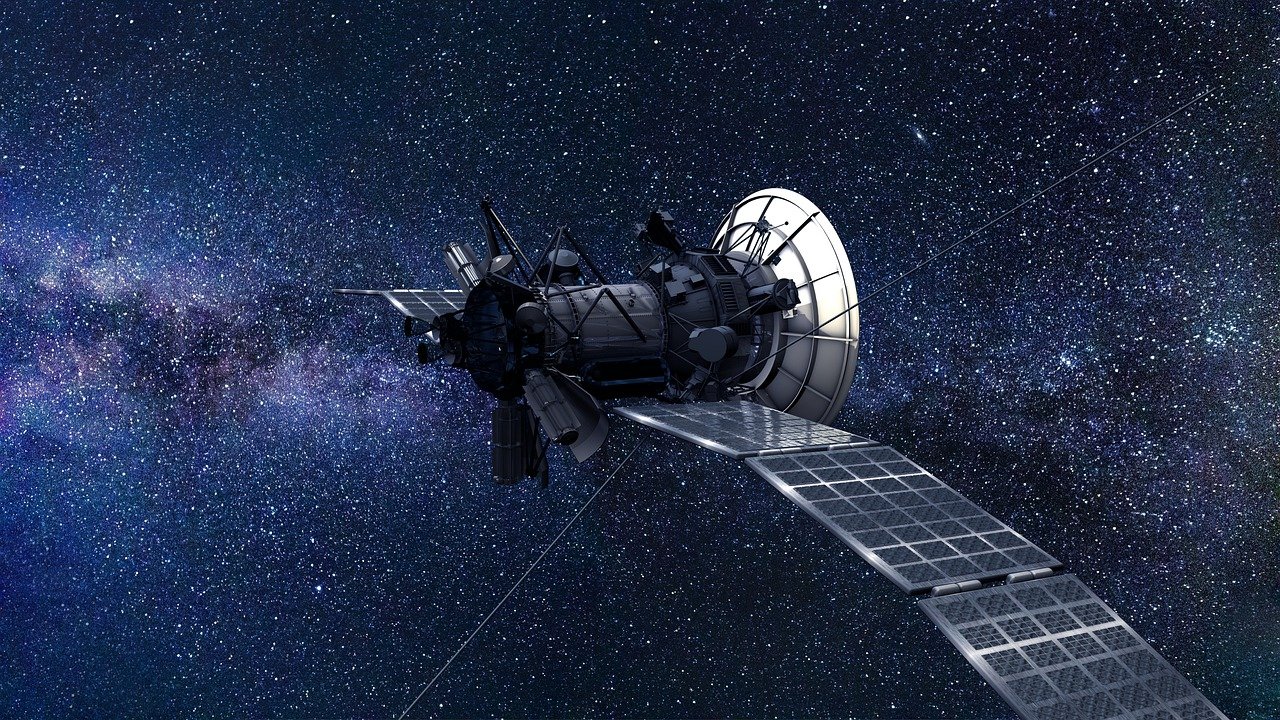
Russia's space agency to launch Iranian satellite into orbit
Russia will launch a satellite on behalf of Iran into space on Aug. 9, the Roscosmos space agency said on Wednesday. The spacecraft, a remote sensing satellite called "Khayyam", will be sent into orbit by a Soyuz rocket, Roscosmos said.
World's wildlife more at risk than realised - study
The world's wildlife may be in more trouble than scientists have so far reported, new research published on Thursday suggests. While scientists have assessed the status of more than 147,000 plant and animals, there are thousands of species considered too "data deficient" for a full assessment. As a result, those species haven't been included in the listing of threatened or endangered species, updated each year by the International Union for the Conservation of Nature (IUCN).
NASA game planned contingencies for space station as Russian alliance continued-sources
NASA and the White House have since late last year quietly drawn up contingency plans for the International Space Station in light of tensions with Moscow that began building before Russia's invasion of Ukraine, according to nine people with knowledge of the plans. The U.S. space agency's game planning shows how the U.S. is juggling its relationship with Russia, a crucial ally on the international space station project, which also involves such corporate names as Boeing, SpaceX and Northrup Grumman.


 Google News