

Science News Roundup: Scientists freeze Great Barrier Reef coral in world-first trial; Russia says leak on Soyuz spacecraft caused by 0.8-millimetre hole
Temperatures on board the capsule have since risen and Roscosmos has scrambled to investigate the cause and decide how to resolve the issue. Scientists freeze Great Barrier Reef coral in world-first trial Scientists working on Australia's Great Barrier Reef have successfully trialled a new method for freezing and storing coral larvae they say could eventually help rewild reefs threatened by climate change.
Following is a summary of current science news briefs.
Russia says leak on Soyuz spacecraft caused by 0.8-millimetre hole
A hole less than one millimetre in diameter is to blame for a coolant leak from a Russian Soyuz spacecraft docked at the International Space Station (ISS), the head of Russia's Roscosmos space agency said on Monday. A routine spacewalk by two Russian cosmonauts was cancelled last week after NASA noticed a stream of fluid spewing from the vessel. Temperatures on board the capsule have since risen and Roscosmos has scrambled to investigate the cause and decide how to resolve the issue.
Scientists freeze Great Barrier Reef coral in world-first trial
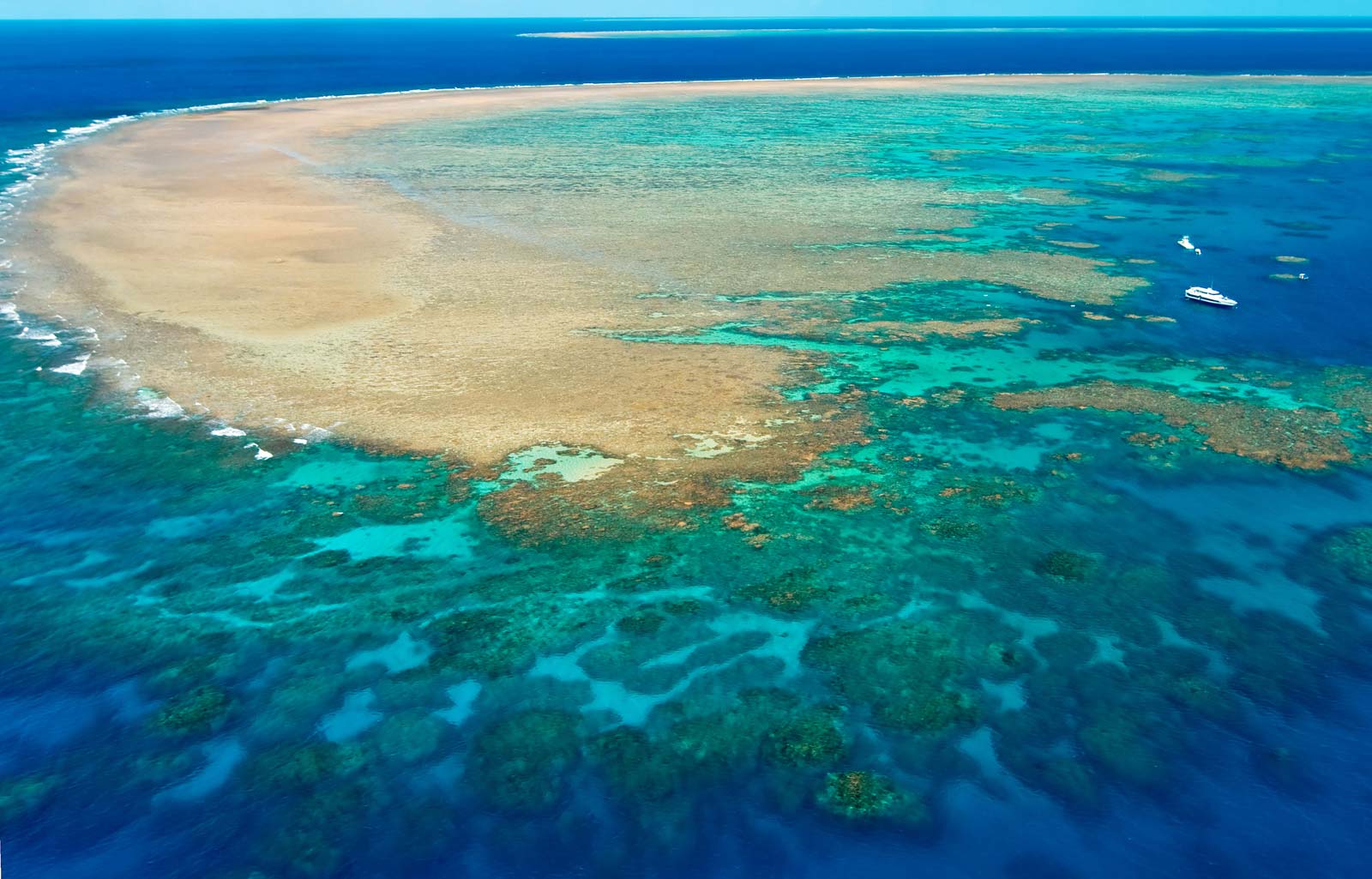
Scientists working on Australia's Great Barrier Reef have successfully trialled a new method for freezing and storing coral larvae they say could eventually help rewild reefs threatened by climate change. Scientists are scrambling to protect coral reefs as rising ocean temperatures destabilise delicate ecosystems. The Great Barrier Reef has suffered four bleaching events in the last seven years including the first ever bleach during a La Nina phenomenon, which typically brings cooler temperatures.


 Google News