

Mars Helicopter Ingenuity completes Flight 38 on the Red Planet
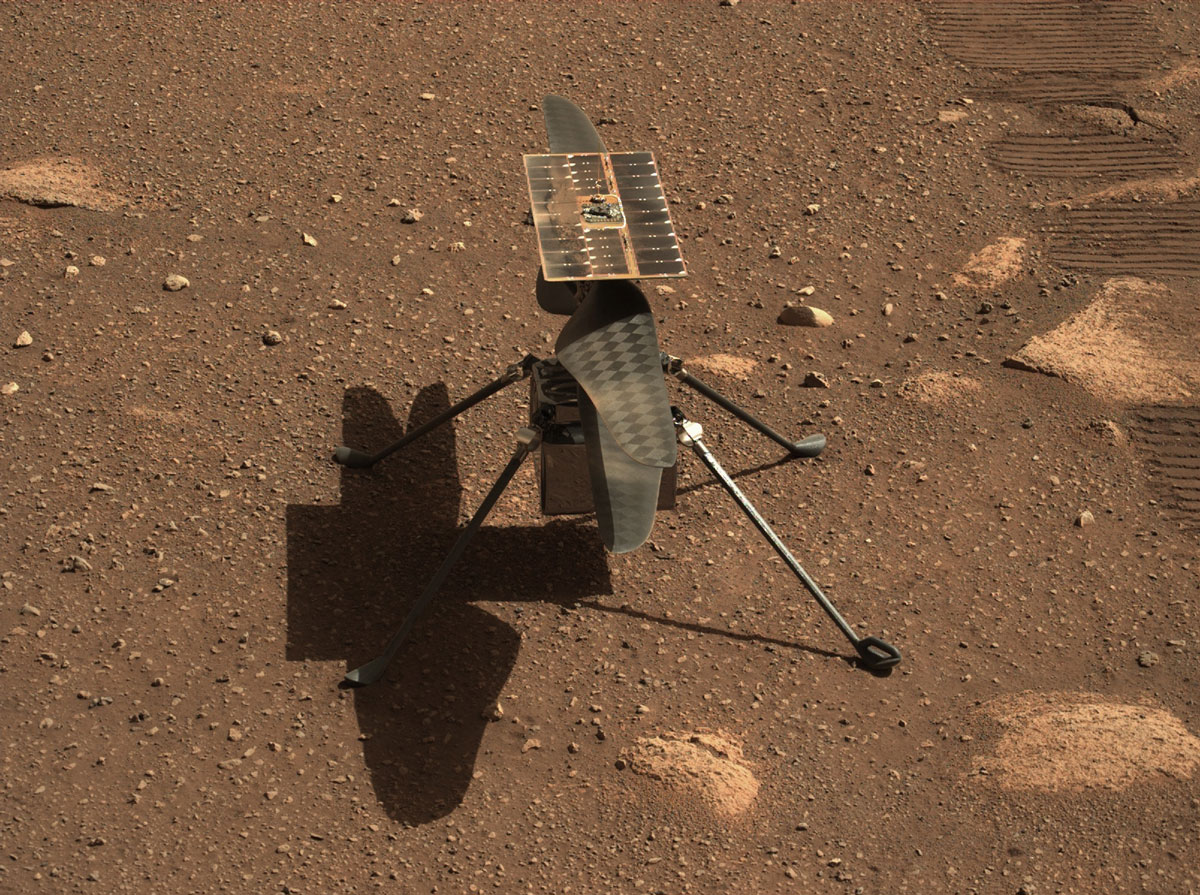
NASA's Mars Helicopter Ingenuity successfully completed its 38th flight on Wednesday, January 4. During this flight, the tiny rotorcraft travelled 363 feet (110 meters) above the Martian surface for 74.26 seconds at a maximum altitude of 33 feet (10 meters) to reposition itself.
This was Ingenuity's first flight of 2023.
Ingenuity is flying into 2023! #MarsHelicopter completed Flight 38 this week, traveling 363 feet (110 meters) above the Martian surface for 74.26 seconds at a max. altitude of 33 feet (10 meters) to reposition itself. https://t.co/1CXIWdYIAQ pic.twitter.com/vnon4GySXT
— NASA JPL (@NASAJPL) January 6, 2023
Ingenuity, the first aircraft to ever attempt powered flight on another planet, is a small robotic helicopter that was sent to Mars as part of the Mars 2020 mission. It is designed to fly autonomously, meaning it can take off, fly, and land without any human intervention
The success of Ingenuity has been a major milestone for space exploration. It has demonstrated that it is possible to fly a helicopter on another planet, and has opened up the possibility of using aerial vehicles to explore other planets in the future.
Inspired by Ingenuity's success, NASA is planning to send two Sample Recovery Helicopters to the Red Planet as part of the Mars Sample Return campaign. The mini helicopters will retrieve the scientifically selected samples cached by the Perseverance rover at the Three Forks region of Mars in the future.
By bringing samples of Martian rock and soil to Earth, scientists from all over the world would be able to use advanced tools and equipment that are too big and intricate to send to Mars. This would also give future generations the opportunity to study them.
Keeping the samples on Earth would also give the scientific community the chance to test out new theories and models, just like the Apollo samples that were brought back from the Moon have done for many years, NASA says.


 Google News