

Science News Roundup: Virgin Galactic finishes lengthy spacecraft upgrades, plans Q2 commercial service; SpaceX launches latest space station crew to orbit for NASA and more
Following is a summary of current science news briefs.
Virgin Galactic finishes lengthy spacecraft upgrades, plans Q2 commercial service
Virgin Galactic Holdings Inc has completed a lengthy upgrade period for its centerpiece tourist spacecraft, with commercial service on track to begin in the second quarter of 2023, the company said on Tuesday. The company, founded by billionaire Richard Branson, had suspended flights of the spaceplane VSS Unity and its carrier plane in 2021 to make various spacecraft enhancements, delaying the company's debut customer mission to the edge of space.
SpaceX launches latest space station crew to orbit for NASA
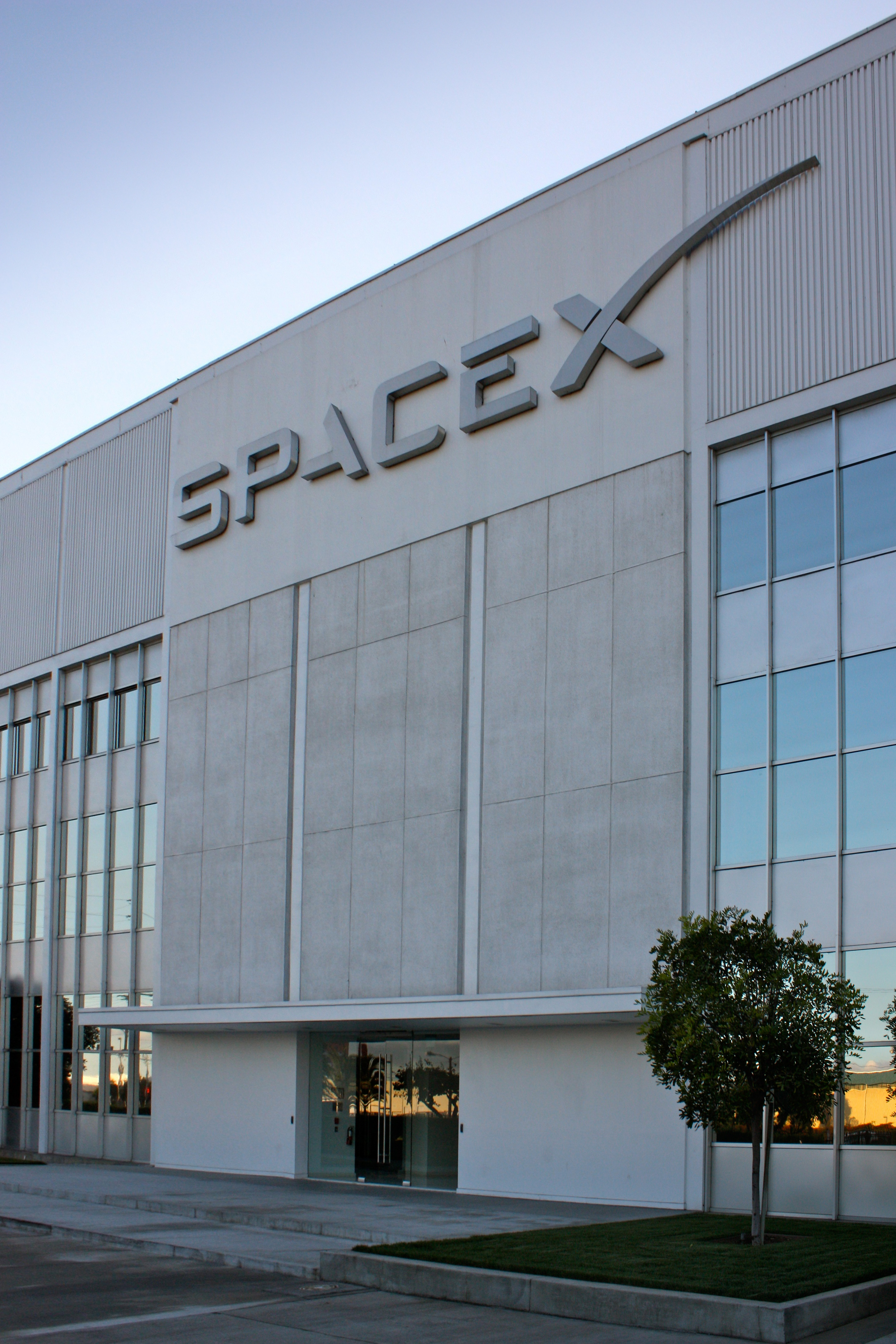
Elon Musk's rocket company SpaceX launched a four-man crew to orbit en route to the International Space Station early on Thursday, with a Russian cosmonaut and United Arab Emirates astronaut joining two NASA crewmates for the flight. The SpaceX launch vehicle, consisting of a Falcon 9 rocket topped with an autonomously operated Crew Dragon capsule called Endeavour, lifted off at 12:34 a.m. EST (0534 GMT) from NASA's Kennedy Space Center in Cape Canaveral, Florida.
China gears up to compete with SpaceX's Starlink this year
China's military-industrial complex is set to start building its first constellation of very low-Earth orbit (LEO) satellites later this year, the latest Chinese bid to catch up with U.S.-based Starlink. Starlink, operated by billionaire Elon Musk's Space X, has built a fast-growing network of more than 3,500 satellites in low-Earth orbit. It has tens of thousands of users in the United States so far, and plans to add tens of thousands more satellites to its system, the largest of its kind.
Genetics study lays bare Ice Age drama for humans in Europe
Europe was no balmy paradise during the Ice Age, with the vast glaciers that blanketed large parts of the continent rendering wide swathes inhospitable for humans. But our species - a new immigrant to Europe - endured, though with great hardship. Researchers on Wednesday unveiled an analysis of genome data from 356 hunter-gatherers who lived in the region between 35,000 and 5,000 years ago, a span that included the Ice Age's coldest interval between 25,000 and 19,000 years ago. This enabled them to decipher prehistoric Europe's population dynamics, including the movement of groups of people and some key physical traits.
Factbox-Neuralink, other brain-chip makers face long road to FDA approval
Neuralink, founded in 2016, has yet to receive FDA approval to test its brain chip in humans. Other implant makers have spent years or decades on research to secure U.S. regulatory approvals. SYNCHRON
Factbox-Elon Musk's missed deadlines for FDA approval of Neuralink brain-chip trials
Several times since 2019, billionaire Elon Musk has predicted his brain-chip company, Neuralink, would soon secure FDA approval for human trials. But the company's application was rejected in early 2022, Neuralink staffers told Reuters, and the company is still working through the agency's concerns over the safety of the experimental implant. Here is a history of Musk's predictions of FDA clinical-trial approval:
Studies show how asteroid-bashing spacecraft was 'phenomenally successful'
NASA's DART spacecraft slammed into the asteroid Dimorphos at a spot between two boulders during last September's first test of a planetary defense system, sending debris hurtling into space and changing the rocky oblong-shaped object's path a bit more than previously calculated. Those were among the findings revealed by scientists on Wednesday in the most detailed account of the U.S. space agency's proof-of-principle mission on using a spacecraft to change a celestial object's trajectory - employing sheer kinetic force to nudge it off course just enough to keep Earth safe.
Scientists uncover new Easter Island moai statue in dry lake bed
Scientists have found a previously undiscovered moai on Easter Island, uncovering the large stone statue in a dry lake bed on the tiny, remote island in the middle of the Pacific. Geologists were studying the site after fires swept through the area last year. It could mean more figures and tools used by the ancestral Rapa Nui people are buried nearby in the once-underwater site, scientists said.


 Google News