

Science News Roundup: German SpaceX rival Isar raises $168 million, bolstering launch plans; Damaged Russian Soyuz capsule lands back on Earth from space station and more
Following is a summary of current science news briefs. German SpaceX rival Isar raises $168 million, bolstering launch plans German rocket manufacturer Isar Aerospace raised 155 million euros ($167.57 million) in a new financing round that will help it make progress towards its first launch planned in the second half of the year, the Munich-based company said on Tuesday.
Following is a summary of current science news briefs.
German SpaceX rival Isar raises $168 million, bolstering launch plans
German rocket manufacturer Isar Aerospace raised 155 million euros ($167.57 million) in a new financing round that will help it make progress towards its first launch planned in the second half of the year, the Munich-based company said on Tuesday. Among the investors is German carmaker Porsche SE, which will join the supervisory board along with HV Capital, said the company.
Damaged Russian Soyuz capsule lands back on Earth from space station
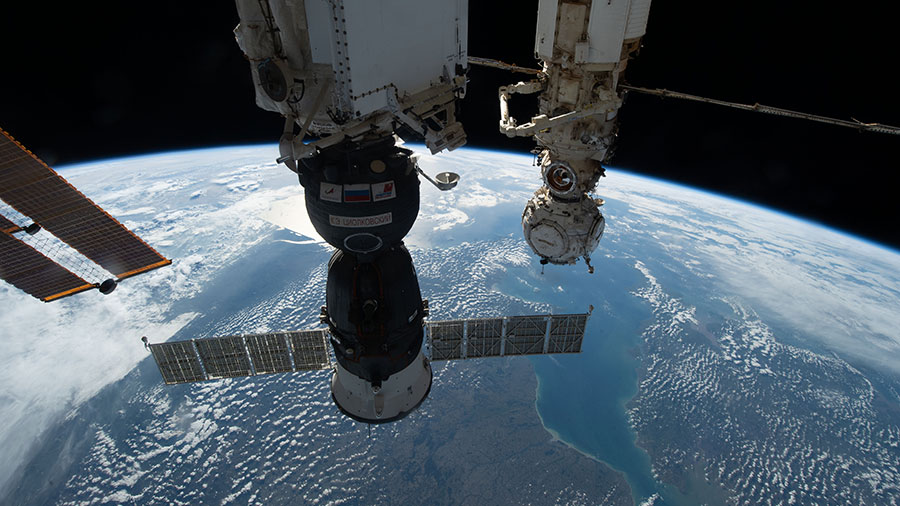
A damaged Russian Soyuz MS-22 capsule landed back on Earth on Tuesday, three months after coolant began leaking from the craft while it was docked at the International Space Station (ISS). The module completed the almost two-hour return from the ISS without a crew, landing in the Kazakh steppe on Tuesday afternoon, a few hundred kilometres from the Baikonur cosmodrome, home to Russia's space launches.
Intriguing moon water source found in glass beads from impacts
Glass beads spawned in violent impacts from space rocks on the lunar surface have been found to have water trapped inside, offering what scientists describe as a potential reservoir of this precious resource for future human activities on the moon. Scientists said on Monday an analysis of lunar soil samples retrieved in 2020 during China's robotic Chang'e-5 mission showed that these spheres of glass - rock melted and cooled - created in the impacts bore within them water molecules formed through the action of the solar wind on the moon's surface.
ALSO READ
-
Inside Russia’s SMR School, Where Nuclear Experience Shapes Future Energy Decisions
-
WTO Sets Up Panel on EU Carbon Border Rules as Russia Challenges Restrictions
-
Russia’s Reach Beyond Borders Leaves Exiled Critics Living in Fear, UN Expert Warns
-
Ukraine Faces Another Bitter Winter as UN Inquiry Warns of Deepening Civilian Harm
-
Ukraine War: UN Documents 1,004 Sexual Violence Cases and Calls for Justice


 Google News