

Spot Mercury after sunset; Moon-planet pairings and more this month
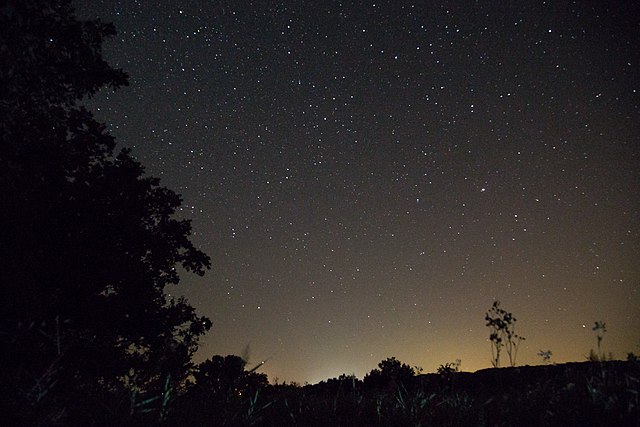
April is a great month for skywatching, with plenty of celestial events, including meteor showers, Moon-planet pairings, Mercury rising after sunset and more - to observe and enjoy.
Mercury will be the most visible in the evening sky for the month. According to NASA, the best viewing is April 3rd through the 11th, as the innermost planet in our solar system appears higher in the sky each evening. Thereafter, it quickly fades in brightness as the phase it shows us becomes an increasingly slimmer crescent.
To spot Mercury, look low in the west soon after sunset.
On April 11, Venus will be visible near Pleiades - a prominent star cluster in the constellation Taurus - this evening in the west. This pairing is a unique and beautiful sight to watch in the night sky.
Other skywatching events to watch this month include:
Moon-planet pairings
April also offers some of the most beautiful Moon-planet pairings. On April 15th and 16th, the crescent Moon will be seen rising with Saturn - look low in the southeastern sky a couple of hours before sunrise. On April 23rd, the slim crescent Moon will be hanging just five degrees above Venus in the west after sunset.
On April 25th, the Moon and Mars pair up in the evening, high in the west after dark.
Lyrid meteor shower
The Lyrid meteor shower is an annual meteor shower that occurs in late April. It typically peaks around April 22nd and can produce around 20 meteors per hour at its peak. This year, Lyrids will peak in the pre-dawn hours of April 23rd, a couple of days after the new moon, which means the Moon won't interfere with this shower.
The Lyrid meteor shower is named after the constellation Lyra, from where the meteors appear to radiate. To spot them, find a dark location away from city lights, get horizontal, and look straight up. You'll see the most meteors by looking slightly away from the origin point, which is near the bright star Vega.


 Google News