



Cosmic delight: Perseid Meteor Shower peaks on August 12; see up to 40 meteors per hour
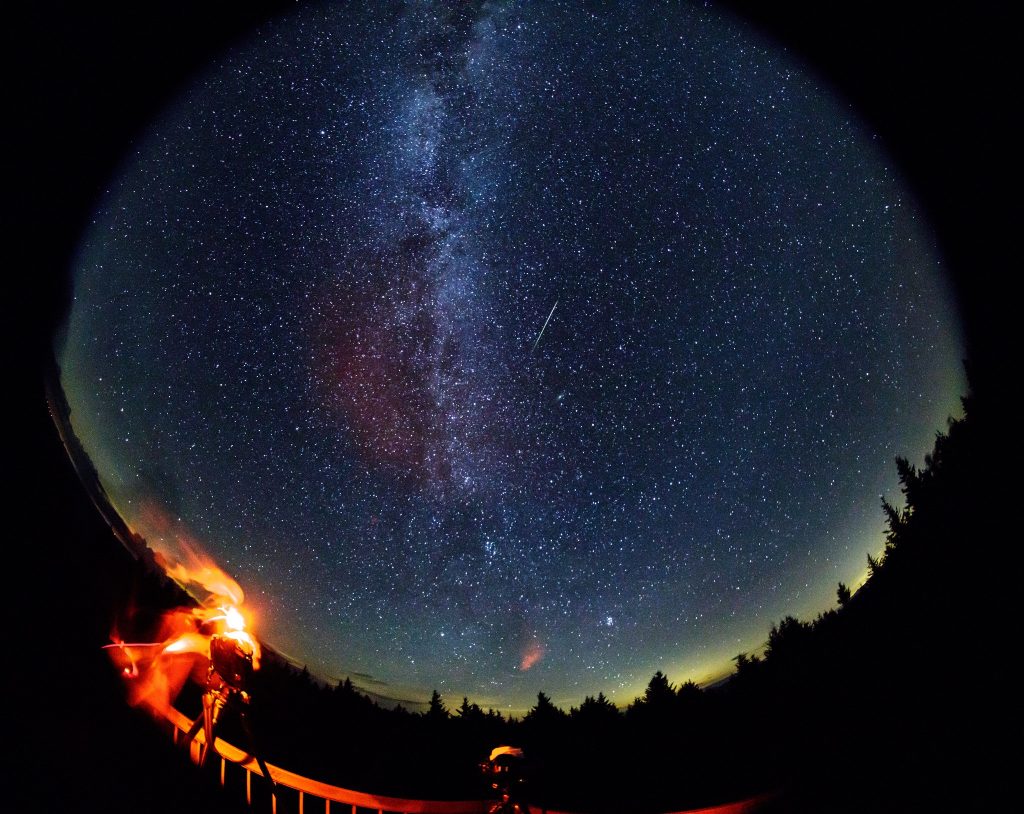
The Perseid meteor shower, one of the most spectacular celestial shows of the year, will be peaking on the night of August 12, creating a dazzling array of meteors streaking across the sky.
Perseid owes its brilliance to the Earth's passage through the dusty remnants of comet Swift-Tuttle's trails. The annual meteor shower is special for several reasons. It often graces late-summer nights, offering a harmonious blend of high meteor rates and pleasant temperatures.
This year's celestial spectacle will enjoy the backdrop of a waning crescent moon, ensuring that even the fainter meteors will not be overshadowed by moonlight. While urban areas with brighter skies may slightly diminish meteor rates, with an anticipated average of 10 or fewer meteors per hour. For those located in the Northern Hemisphere, the Perseid meteor shower will be the most visible and prominent.
To view this spectacle, you need a clear sky, darkness, and of course a bit of patience. There is no need to look in a specific direction - these shooting stars can grace the entire celestial canvas.
"People in the U.S. can reasonably expect to see around 40 Perseids in the hour just before dawn on the peak nights. That's about one every couple of minutes, which is not bad. However, we are assuming you are out in the country, well away from cities and suburbs," says Bill Cooke, who leads NASA's Meteoroid Environment Office.
The Perseid meteor shower owes its name to its point of origin, called radiant, located within the constellation Perseus. Each meteor within the shower follows a similar orbit, resulting in a mesmerizing convergence of luminous trails that seems to emanate from this radiant point.
Interestingly, the Perseid meteor shower has a remarkable historical footnote. In 1993, Perseids managed to put a hold on NASA's plans. The scheduled launch of NASA's STS-51 mission was temporarily deferred due to concerns surrounding the anticipated intensity of the meteor shower.
- READ MORE ON:
- Perseid meteor shower
- Perseid meteor shower 2023 peak


 Google News