

Science News Roundup: Scientists show how to turn lunar soil fertile for agriculture; Scientists detect oxygen in noxious atmosphere of Venus and more
Air quality dips in Delhi ahead of winter every year, when cold air traps pollutants from a variety of sources including vehicles, industries, construction dust, and agricultural waste burning. Scientists detect oxygen in noxious atmosphere of Venus Oxygen accounts for about 21% of Earth's air, with the rest of our atmosphere primarily nitrogen.
Following is a summary of current science news briefs.
Indian scientists hope cloud seeding can clean Delhi's toxic air
Indian scientists plan to seed clouds for the first time to trigger heavy rain in some areas of New Delhi, hoping this will be enough to tackle the smog gripping the world's most polluted capital for a week, the project's head said on Thursday. Air quality dips in Delhi ahead of winter every year, when cold air traps pollutants from a variety of sources including vehicles, industries, construction dust, and agricultural waste burning.
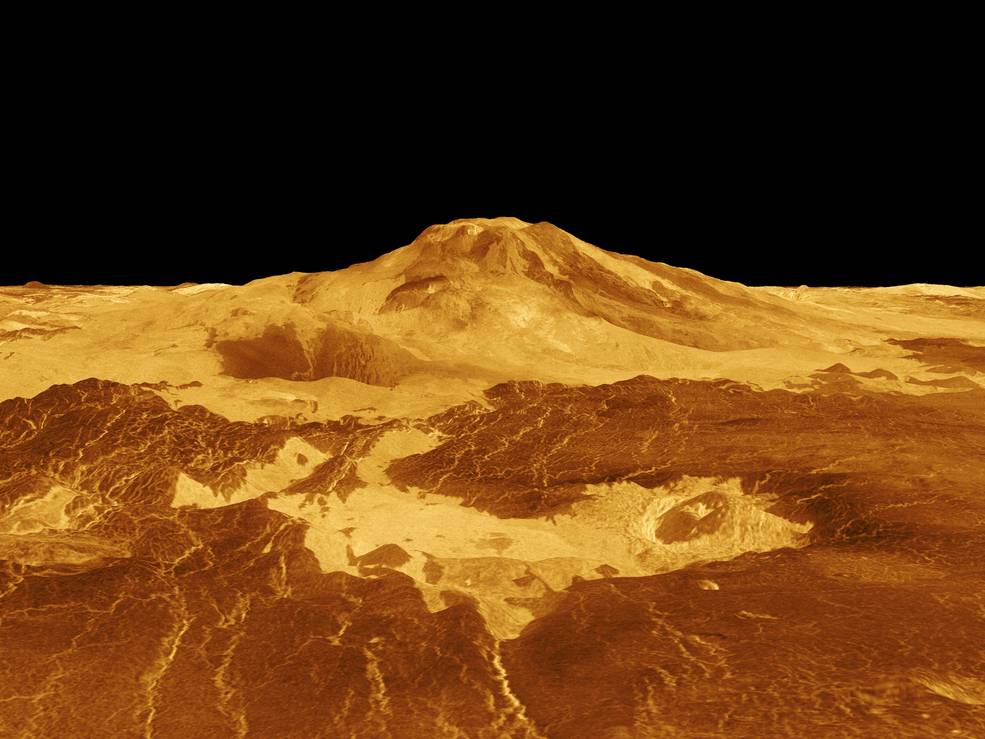
Scientists detect oxygen in noxious atmosphere of Venus
Oxygen accounts for about 21% of Earth's air, with the rest of our atmosphere primarily nitrogen. And most living things - including people, as we well know - need oxygen to survive. Earth's planetary neighbor Venus offers quite a different story. Its thick and noxious atmosphere is dominated by carbon dioxide - 96.5% - with lesser amounts of nitrogen and trace gases. Oxygen is nearly absent. In fact, with Venus getting far less scientific attention than other planets such as Mars, the direct detection of its oxygen has remained difficult.
Scientists show how to turn lunar soil fertile for agriculture
If humankind is ever to establish long-term bases on the moon, there will be a need for a regular source of food. It is not practical, however, to think you can plant corn or wheat in plain lunar soil in greenhouses on the moon and expect a bumper crop - or any crop at all. But scientists are taking steps toward making moon agriculture a real possibility. Researchers said on Thursday they have found a way to turn inhospitable lunar soil fertile by introducing bacteria that enhance the availability of phosphorus, an important plant nutrient.
Star-filled Euclid images spur mission to probe 'dark universe'
European astronomers on Tuesday released the first images from the newly launched Euclid space telescope, designed to unlock the secrets of dark matter and dark energy - hidden forces thought to make up 95% of the universe. The European Space Agency, which leads the six-year mission with NASA as a partner, said the images were the sharpest of their kind, showcasing the telescope's ability to monitor billions of galaxies up to 10 billion light years away.


 Google News