

Science News Roundup: NASA probe finds signs of water on asteroid Bennu; NASA's intrepid Voyager 2 probe crosses into interstellar space
Following is a summary of current science news briefs.
NASA's intrepid Voyager 2 probe crosses into interstellar space
Voyager 2, a NASA probe launched in 1977 and designed for just a five-year mission, has become only the second human-made object to enter interstellar space as it continues its marathon trek billions of miles (km) from Earth, scientists said on Monday. Data from instruments aboard the spacecraft showed it crossed the outer edge of the heliosphere, a protective bubble of particles and magnetic fields produced by the sun, on Nov. 5, the U.S. space agency said.
Curry signals willingness to meet with NASA over Moon landing doubts
Three-time NBA champion Stephen Curry on Tuesday signaled that he is willing to take NASA up on its offer to tour its lunar lab in Houston after his pronouncement this week that he does not believe humans ever walked on the Moon. During the "Winging It" podcast released on Monday, the Golden State Warriors guard asked fellow players Vince Carter and Kent Bazemore whether they believed humans had ever been to the Moon.
Russian cosmonauts take samples on sixth hour of spacewalk to crack mystery
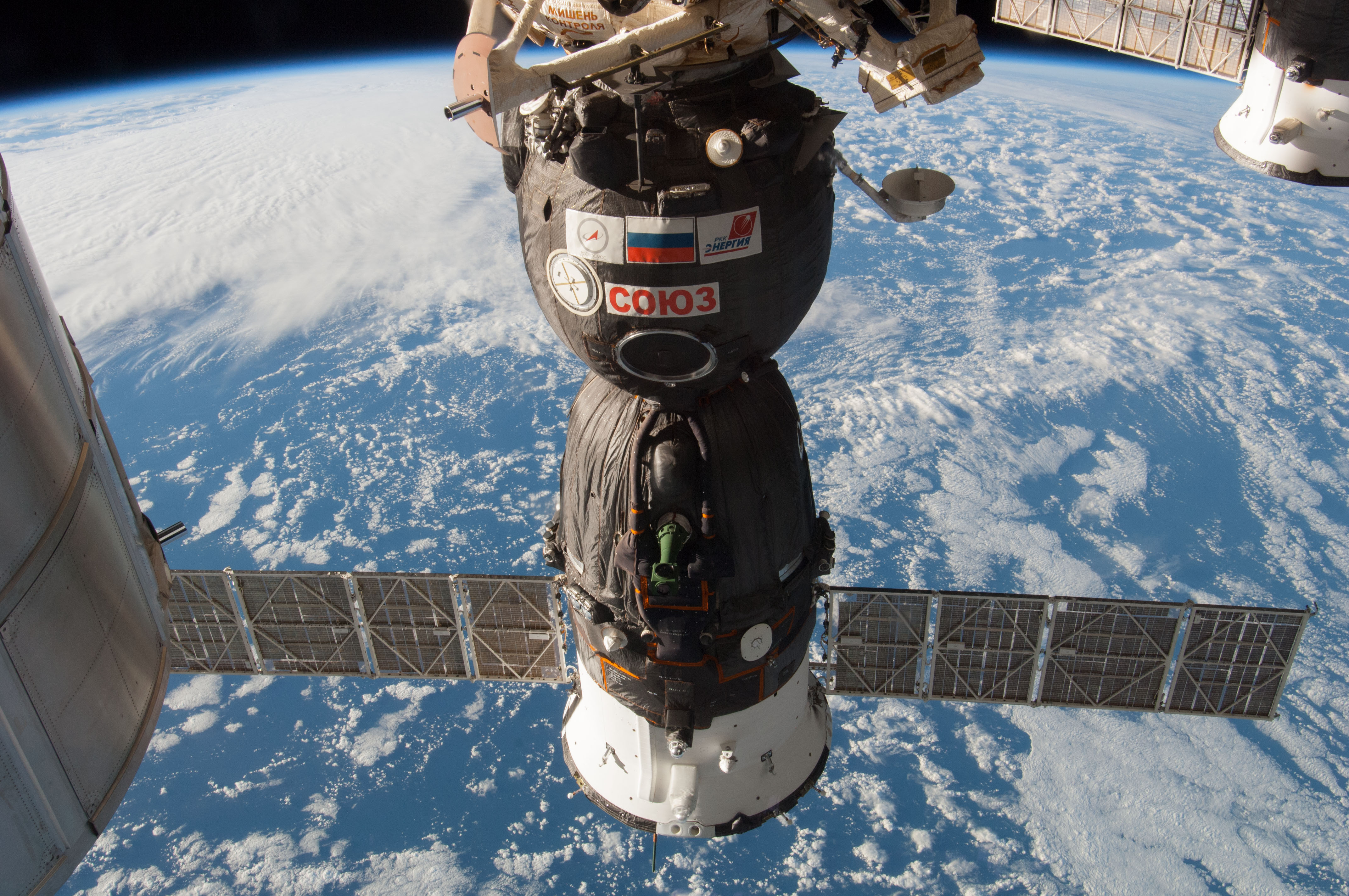
Two Russian cosmonauts have taken samples of their capsule's exterior in the sixth hour of a spacewalk seeking to resolve the mystery of a small hole found in the craft docked at the International Space Station, a live broadcast by Russian space agency Roscosmos showed early on Wednesday. Roscosmos has ruled out a manufacturing defect causing the 2 mm-wide hole found in August on the Russian Soyuz capsule, but NASA has sought to dampen speculation of sabotage.
NASA probe finds signs of water on nearby asteroid Bennu
NASA's OSIRIS-REx spacecraft has discovered ingredients for water on a relatively nearby skyscraper-sized asteroid, a rocky acorn-shaped object that may hold clues to the origins of life on Earth, scientists said on Monday. OSIRIS-REx, which flew last week within a scant 12 miles (19 km) of the asteroid Bennu some 1.4 million miles (2.25 million km) from Earth, found traces of hydrogen and oxygen molecules - part of the recipe for water and thus the potential for life - embedded in the asteroid's rocky surface.
(With inputs from Reuters)


 Google News