

IAEA Advances Global Efforts to Combat Plastic Pollution with NUTEC Plastics Initiative
The initiative seeks to integrate nuclear techniques into efforts to address plastic pollution, leveraging the IAEA’s expertise in plastic recycling through radiation technology and marine monitoring using isotopic tracing techniques.
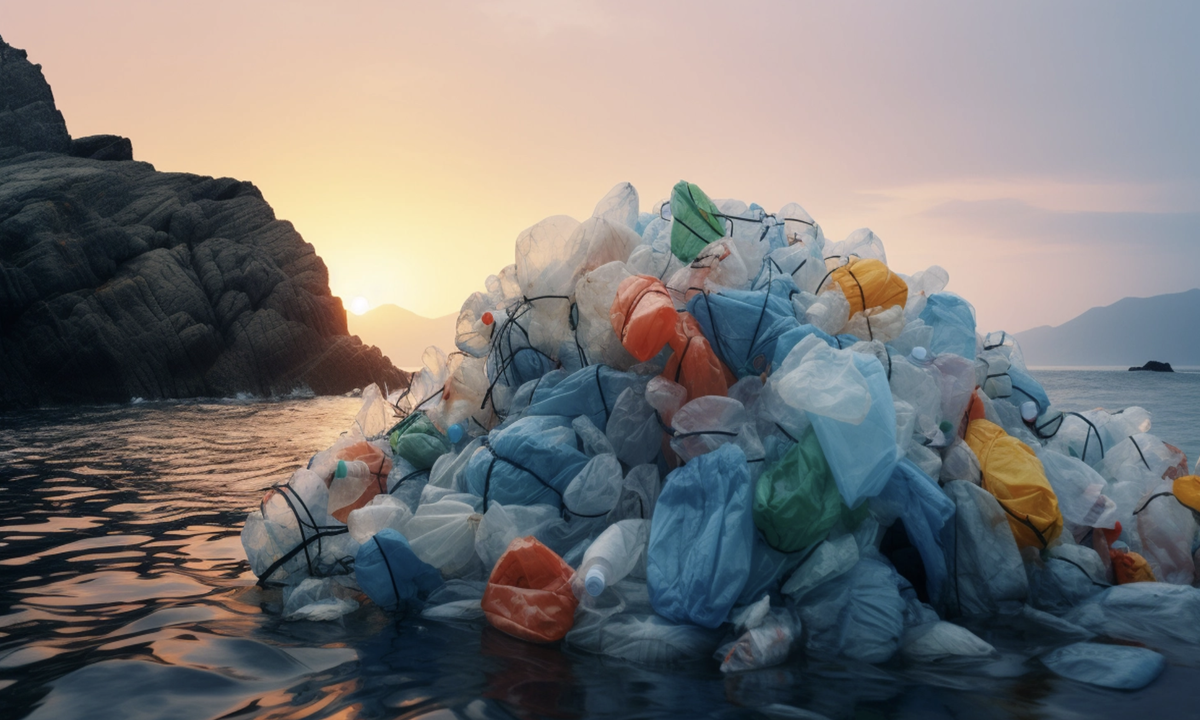
This week, experts gathered to discuss the formation of an international network of high-tech laboratories aimed at monitoring marine microplastics and assessing the progress of the IAEA's NUTEC Plastics initiative. The initiative seeks to integrate nuclear techniques into efforts to address plastic pollution, leveraging the IAEA's expertise in plastic recycling through radiation technology and marine monitoring using isotopic tracing techniques.
Challenges and Importance of Marine Monitoring Countries face numerous challenges in monitoring the ocean environment, including a lack of comprehensive and reliable data on microplastic abundance, origin, and trends. Such scientific evidence is crucial for developing robust policies to combat plastic pollution. Furthermore, there is insufficient awareness among the general public, scientific community, and policymakers about the scale and impact of microplastic pollution, including its potential effects on human health.
Inaugural Session Highlights The meeting was inaugurated by IAEA Director General Rafael Mariano Grossi, UNEP's Executive Secretary of the Intergovernmental Negotiating Committee, Jyoti Mathur-Filipp, and the United Nations Special Envoy for the Ocean, Peter Thomson.
Director General Grossi emphasized the IAEA's commitment to building a global network of laboratories to monitor microplastics, share best practices, and develop protocols. "Nuclear technology can help us address the challenge of microplastics with unprecedented precision and effectiveness," he stated. "The global threat posed by plastic waste requires a global approach, involving collaboration, partnerships, and coordinated action."
UNEP's Jyoti Mathur-Filipp highlighted the importance of innovative partnerships like the IAEA NUTEC Plastics initiative in bringing together the necessary human, technological, and financial resources to monitor and develop targeted solutions to the plastic pollution crisis. "These are exactly the kinds of alliances we need to stem the tide of plastic pollution as members work towards agreeing on the instrument by the end of this year," she said.
Peter Thomson stressed the urgency of addressing plastic pollution, noting the pervasive presence of microplastics in the environment and human bodies. "NUTEC Plastics is a new way of thinking, an innovative way of measuring our problem, and through its comprehensive deployment, I am confident we will find our way towards a cure for the plague of plastic pollution," he asserted.
Collaborative Efforts and Future Goals The meeting was attended by 61 countries participating in an interregional IAEA technical cooperation programme. The goal is to establish a network of laboratories with the capacity to monitor microplastics in the ocean by 2027. This network aims to facilitate data exchange, knowledge sharing, and best practices for monitoring microplastics, developing agreed protocols, and building national capacities for reporting on plastic pollution in coastal and marine zones.
Focus on Education and Capacity Building The project will support fifty countries in becoming national or regional hubs for training and analysis. Sessions at the meeting covered experiences in addressing marine plastic pollution, contributions from various international organizations, and the results of a survey on microplastic monitoring capacities. Further discussions included IAEA support for microplastic monitoring, data collection, networking, and awareness-raising.
Role of NUTEC Plastics NUTEC Plastics aims to unite private and public partners and donors globally to tackle plastic pollution by applying nuclear and isotopic techniques. These techniques help understand the origin, movement, and impact of microplastics on the marine environment.
Quotes
Director General Rafael Mariano Grossi: "Nuclear technology can help us address the challenge of microplastics with unprecedented precision and effectiveness. The global threat posed by plastic waste requires a global approach, involving collaboration, partnerships, and coordinated action."
Jyoti Mathur-Filipp: "These are exactly the kinds of alliances we need to stem the tide of plastic pollution as members work towards agreeing on the instrument by the end of this year."
Peter Thomson: "NUTEC Plastics is a new way of thinking, an innovative way of measuring our problem, and through its comprehensive deployment, I am confident we will find our way towards a cure for the plague of plastic pollution."
Key Takeaways
The IAEA's NUTEC Plastics initiative aims to integrate nuclear techniques to combat plastic pollution.
A global network of laboratories will be established to monitor microplastics and share best practices.
The initiative emphasizes the importance of collaboration, data sharing, and developing robust policies to address plastic pollution.


 Google News