

New Study Challenges Traditional Views on Animal Brain and Body Size
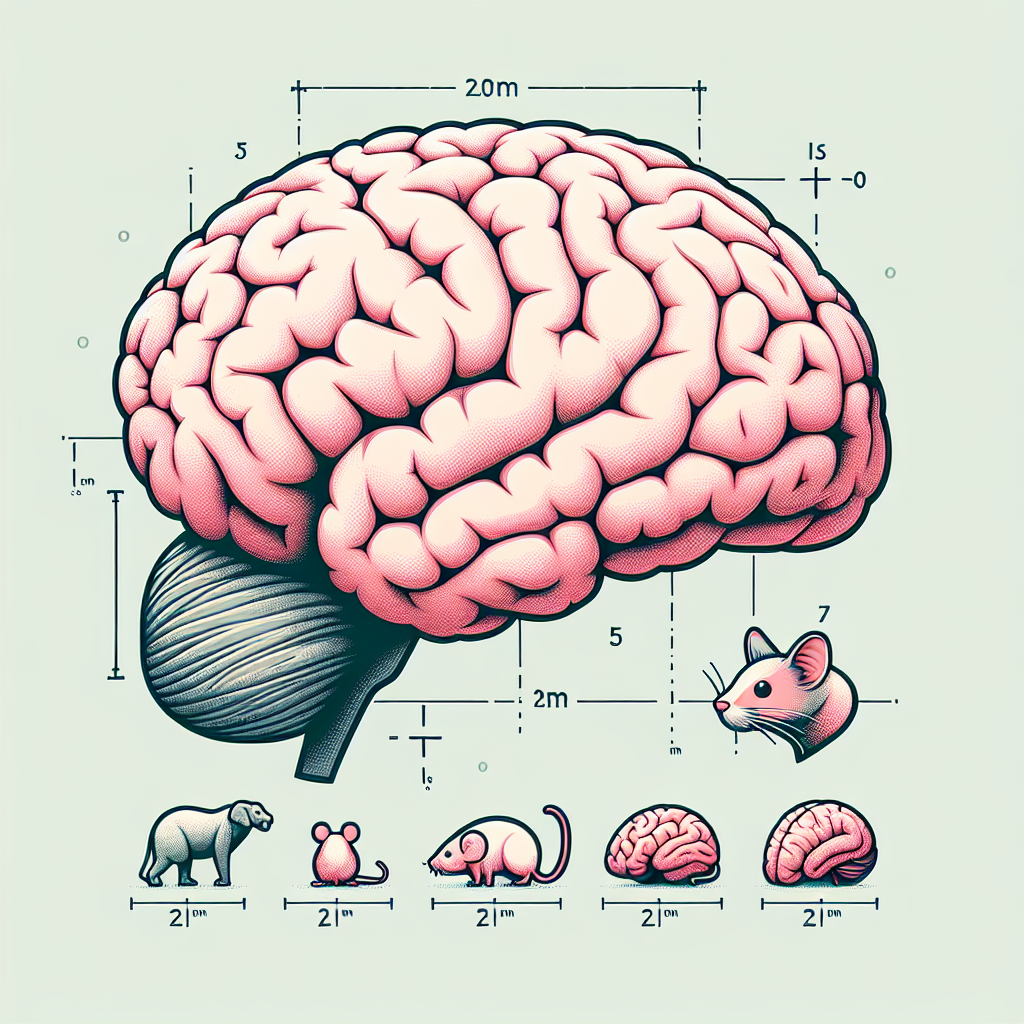
Scientists used computational analysis on over 1,500 mammal species to uncover that the relationship between brain and body size isn't linear but curved. While larger animals generally have larger brains, this isn't proportional. Findings reveal mammals like humans have gone through rapid brain size evolution compared to others.
- Country:
- United States
In a groundbreaking study, scientists have challenged the traditional belief that an animal's brain size is directly proportional to its body size. The study, conducted by researchers from Durham University, analyzed over 1,500 mammal species using powerful computational tools to reveal a curved relationship between brain and body size.
The researchers discovered that the brain-body size relationship plateaus once the animal reaches a certain size, contradicting the previously held linear view. This phenomenon, known as allometric scaling, highlights the intriguing diversity in brain structures among different mammals.
Remarkably, the study also identified humans as outliers, with our brain size evolving significantly faster than other species, contributing to our complex cognitive abilities. However, the exact processes driving these changes remain a mystery.


 Google News