

China Fast-Tracks Carbon Emissions Control System to Meet 2030 Peak Target
China will speed up the development of a carbon emissions control system to help achieve its goal of peaking emissions by 2030. The 'dual-control' system will introduce total emissions controls alongside emission intensity measurements. Greenpeace welcomes the move towards decoupling climate targets from economic growth.
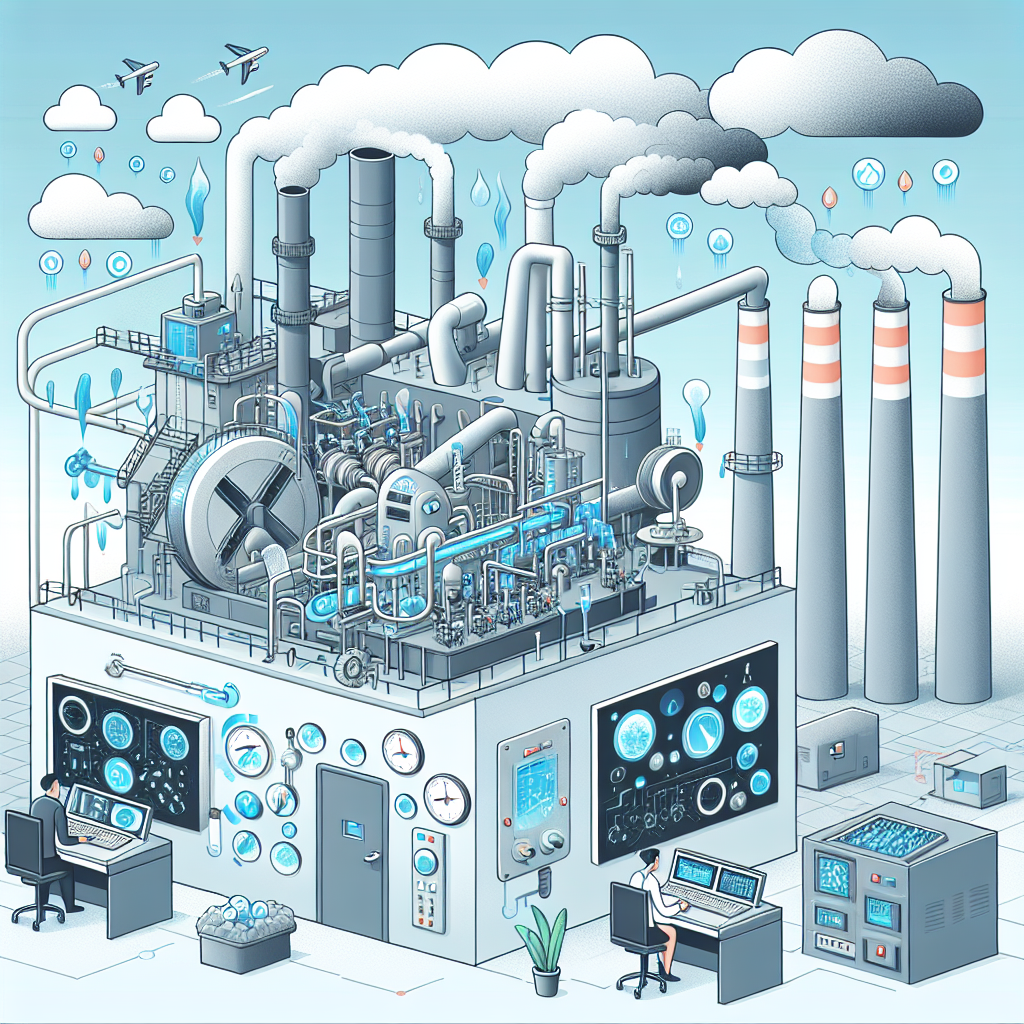
China is set to accelerate the development of a carbon emissions control system, aimed at peaking climate-warming gas emissions by 2030, the cabinet announced on Friday.
Current energy policies have been tied to 'energy and carbon intensity,' measuring the emissions involved in economic output. However, a new 'dual-control' system will come into force during the 2026-2030 plan period, incorporating total emissions controls alongside intensity metrics. This marks a shift towards a greater focus on controlling total emissions post-2030.
Greenpeace describes this as China's first 'hard emissions cap,' and a significant move toward decoupling climate targets from economic growth. Carbon budgets will be set by provinces and municipalities, and a budgeting system will be tested before 2025. The new plan also aims to enhance the statistical and accounting systems for carbon emissions, focusing on industries like power, steel, and petrochemicals.
Additionally, Beijing has announced a plan to better measure product carbon footprints, which will come into effect by 2027.


 Google News