

The Vital Role of Sharks in Ocean Ecosystems
Sharks, with over 500 species, play crucial ecological roles in maintaining ocean health. However, their populations have declined by over 70% since 1970 due to overfishing. This decline endangers various marine ecosystems, from seagrass meadows to coral reefs. Immediate, targeted conservation efforts are essential to protect these vital ocean predators.
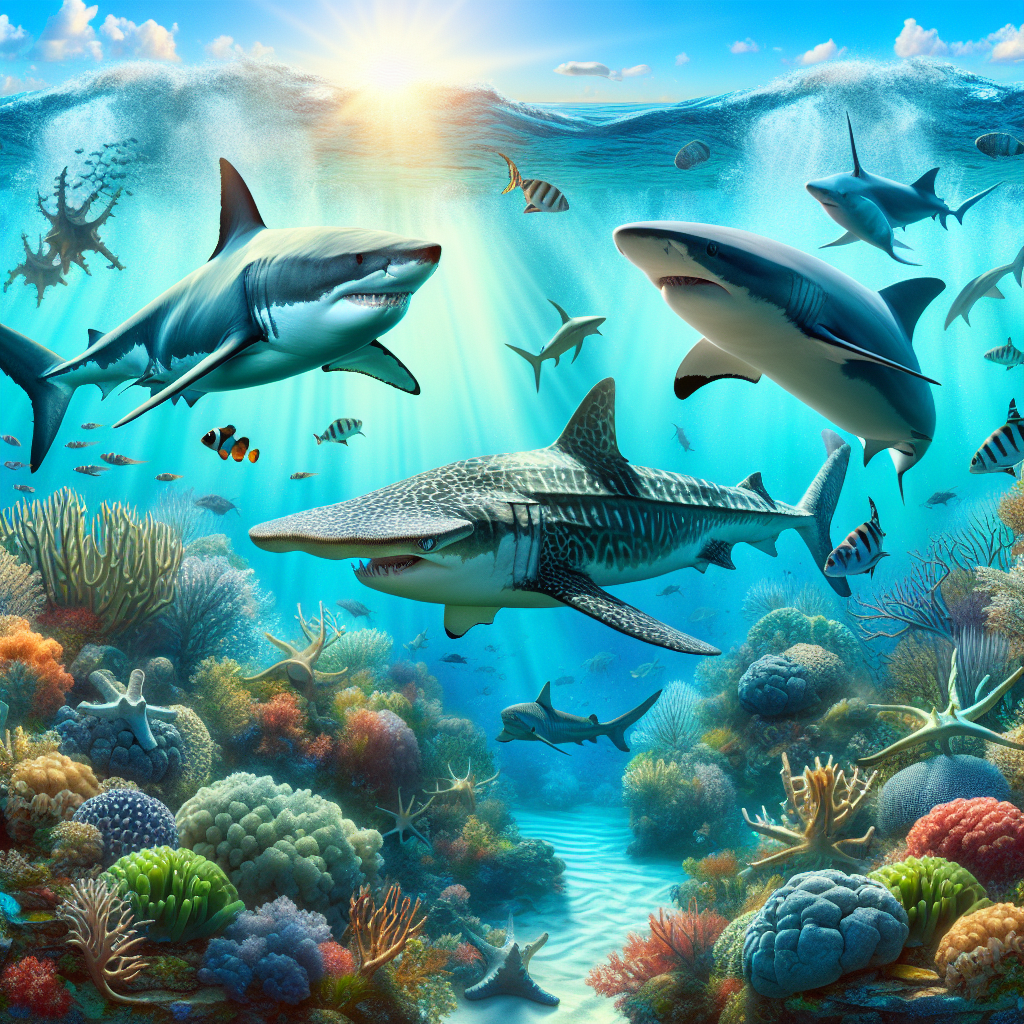
Sharks, encompassing over 500 species, are vital to ocean ecosystems. Their roles range from maintaining species balance to promoting healthy seagrass and kelp forest growth. However, since 1970, shark populations have plummeted over 70% due to overfishing, posing a dire threat to marine environments.
Specific examples highlight their ecological importance. For instance, tiger sharks protect seagrass meadows from overgrazing by sea turtles. Similarly, white sharks help maintain the balance of species in kelp forests along the California coast. Yet, these marine predators face unprecedented threats from unsustainable fishing practices.
Urgent conservation actions are needed. Governments should establish protected areas, regulate harmful fishing gear, and focus on species with critical ecological roles. Collaboration with coastal communities can drive support for these measures. Understanding and protecting sharks’ ecological value is crucial for the future of our oceans.


 Google News