

Tackling Food Fraud: The Role of Nuclear Science and the Joint FAO/IAEA Centre
The harm caused by such practices extends beyond financial losses, affecting human health, damaging legitimate businesses, and disrupting international trade.
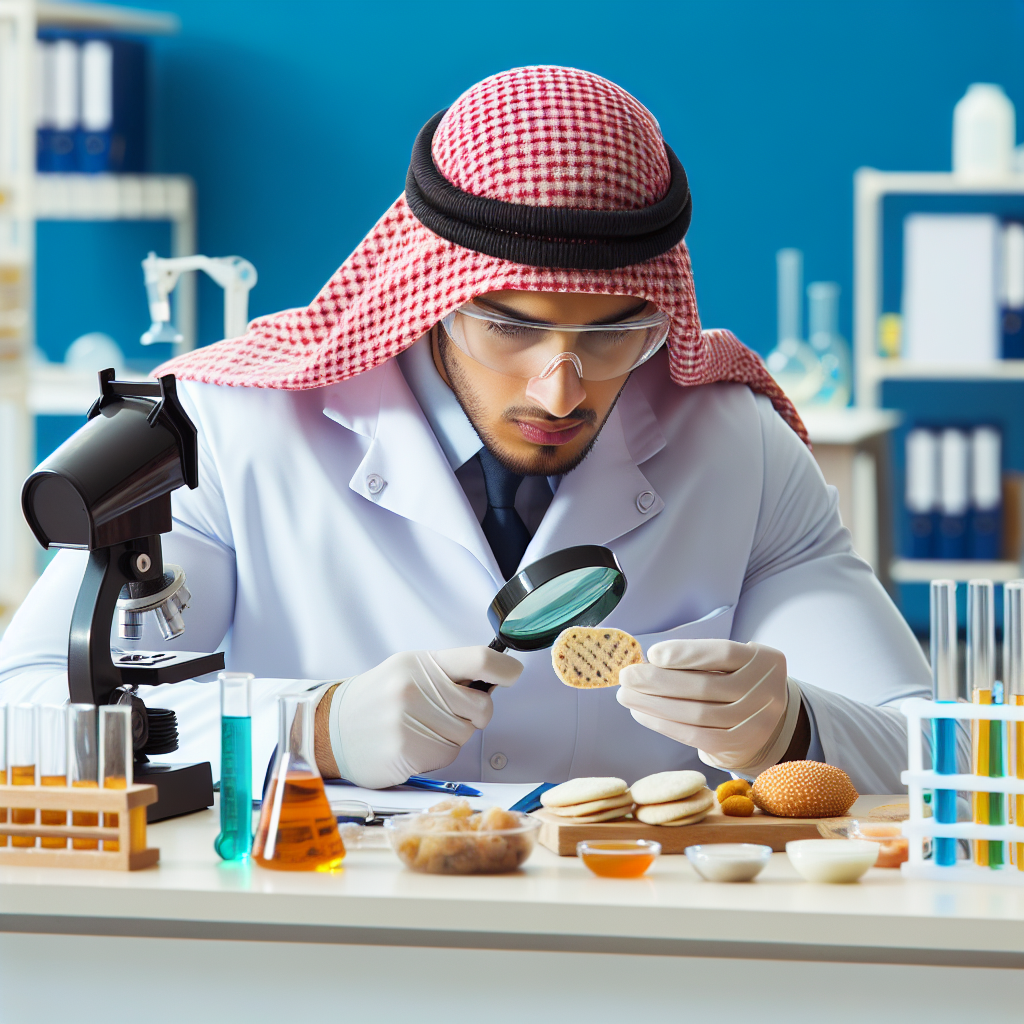
Food fraud, the intentional deception of consumers about the quality and content of food for financial gain, is a growing global concern. Estimated to cost the world economy around $40 billion annually, this illegal activity undermines consumer trust and poses significant health risks. Food fraud can take various forms, including dilution, mislabeling, substitution, and counterfeiting. The harm caused by such practices extends beyond financial losses, affecting human health, damaging legitimate businesses, and disrupting international trade.
Health and Economic Consequences
Food fraud can have severe health implications, such as causing allergic reactions due to undisclosed ingredients or leading to foodborne illnesses. Economically, it diminishes the quality of products, leading consumers to unknowingly pay premium prices for inferior goods. This also unfairly impacts legitimate businesses, particularly those that rely on their reputation for high-quality products.
Challenges in Detecting Food Fraud
Detecting food fraud is complex, as it can occur at any stage of the supply chain and often requires specialized equipment to uncover. In developing countries, the problem is exacerbated by limited technical capacity to detect such fraud, making these regions particularly vulnerable.
The Role of Nuclear Science in Detecting Food Fraud
Nuclear scientists are now at the forefront of combating food fraud. By analyzing stable isotope ratios, which are unique chemical signatures left by different environmental conditions and geographical origins, scientists can verify the authenticity of food products. These isotopic "fingerprints" can reveal whether a product is genuine or if it has been adulterated with cheaper, fraudulent ingredients.
For example, the carbon isotope ratios in tomatoes grown in different regions under varying conditions will differ, allowing scientists to determine their true origin. Similarly, isotopic analysis can detect the substitution of natural ingredients with synthetic ones, such as high fructose corn syrup in honey.
The Joint FAO/IAEA Centre's Contribution
The Joint FAO/IAEA Centre of Nuclear Techniques in Food and Agriculture plays a pivotal role in the fight against food fraud. This center supports member states by improving laboratory and regulatory capacities, enabling them to ensure food safety and verify authenticity using stable isotope measurements. The center conducts research and provides guidance on best practices for using nuclear techniques to verify the origin and authenticity of food products, contributing to the global effort to combat food fraud.
Through various Coordinated Research Projects (CRPs), the Joint FAO/IAEA Centre continues to develop science-based solutions to improve food safety, authenticity, and sustainability in agriculture, helping to protect consumers and support legitimate businesses worldwide.
ALSO READ
-
IAEA Brings Global Experts Together to Improve How Spent Nuclear Fuel Is Managed
-
Central African Republic’s First Water Atlas Charts a Path to Safer Drinking Water
-
Fukushima Water Monitoring Earns IAEA Confidence as Global Labs Back TEPCO Results
-
Can Laguna Verde Go the Distance? Mexico Builds Nuclear Skills for a Longer Plant Life
-
Mexico Builds Nuclear Expertise to Keep Laguna Verde Running Safely for Longer


 Google News