

Drought Crisis: Amazon River Levels Hit Historic Lows
Manaus, a key port city in the Amazon, is facing record-low river levels due to an unprecedented drought, impacting grain transport and local communities. Climate change is cited as a primary cause, and the region may not see moisture recovery until 2026, with severe impacts predicted.
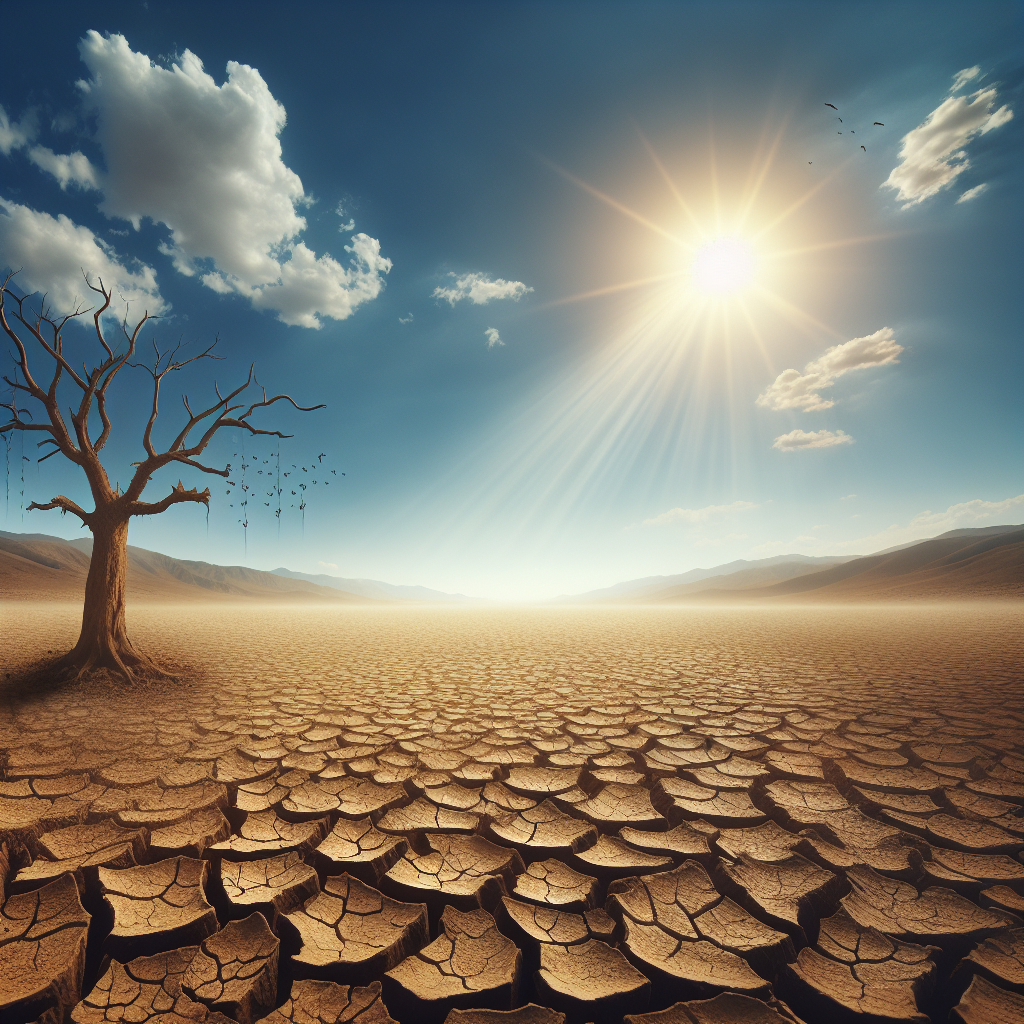
The Amazon rainforest's largest city, Manaus, is grappling with severe transportation disruption as river levels hit historic lows. The region has been plagued by a drought believed to be prompted by climate change, affecting grain exports and essential supplies.
Last year, the drought escalated into a humanitarian crisis, marooning communities reliant on river transport. Now, authorities are on high alert, with a state of emergency declared in 62 municipalities in Amazonas, affecting over half a million individuals.
According to Valmir Mendonca, the head of port operations, the Rio Negro's levels continue to plummet, marking a new historic low. The drought has also impacted electricity production, prompting authorities to consider reinstating daylight savings to conserve energy.
ALSO READ
-
El Niño Health Alarm: Rising Heat, Floods and Hunger Put Communities on High Alert
-
Stock Surge as Fed's Rate Hike Calms Investor Nerves
-
Market Watch: Rate Hike and Oil Price Retreat Signal Potential for US Stock Gains
-
Fed's Rate Hike Boosts Confidence: Tech Stocks Rally Amid Oil Price Drop
-
From Dry Fields to Daily Bread: How Water Stress Shapes Wholemeal Texture and Quality


 Google News