

Hydropower Conflict: The Future of Yarlung Tsangpo and Its Downstream Impact
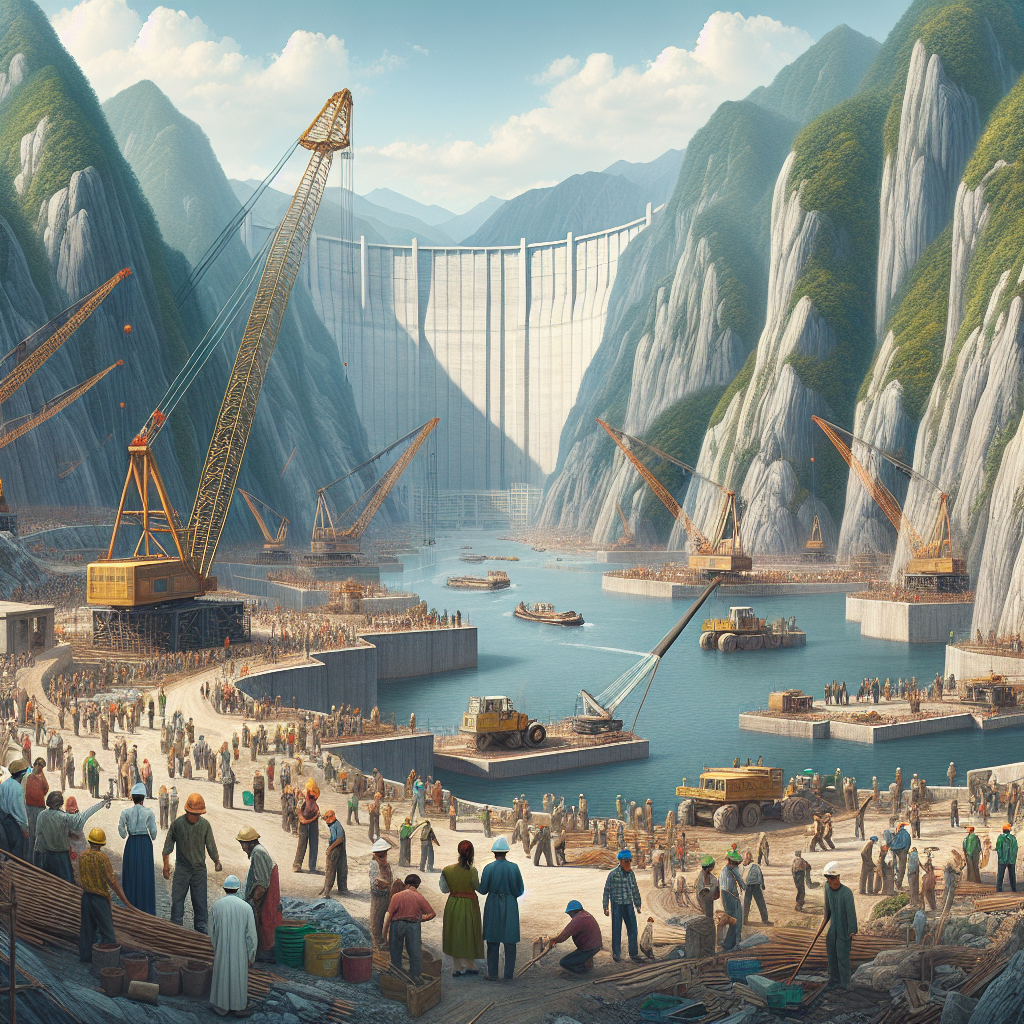
Arunachal Pradesh Chief Minister Pema Khandu voiced concerns over China's plan to build the world's largest hydropower project on the Yarlung Tsangpo river. The dam could disrupt water security, ecology, and livelihoods in India and Bangladesh. Khandu emphasized the critical role Tibet plays in Asia's water supply.
- Country:
- India
Arunachal Pradesh's Chief Minister Pema Khandu warned of the potential impacts China's upcoming hydropower project on the Yarlung Tsangpo river could have on India. Concerns centered on water security, ecology, and livelihoods for millions downstream.
The proposed dam would grant China the ability to control water flow, which might lead to severe outcomes such as droughts or floods in India and Bangladesh. The alteration in sediment flow could also affect agriculture in these regions.
Khandu highlighted Tibet's significance as Asia's 'Water Tower,' impacting over a billion people. He urged India to play a pivotal role in conservation due to its dependence on Tibetan rivers, emphasizing the historical bond between India and Tibet through Buddhism.
ALSO READ
-
More Than Shorter Commute: How Compact Cities Can Help Migrant Workers Find Jobs
-
ILO Report Reveals How to Bring Social Security Within Reach of Informal Workers
-
Japanese Lawmakers Visit India to See Worker Protection and Skills Projects in Action
-
Indian Unions Push for Fair Recruitment and Rights for Care Workers in Germany
-
WTO Sets Up Panel on EU Carbon Border Rules as Russia Challenges Restrictions


 Google News