

Escalating Trade Tensions: China's Pivot from U.S. Agriculture
China has imposed new tariffs on U.S. agricultural goods, prompting a shift to alternative suppliers like Brazil. The trade war exacerbates the decline in U.S. soy imports, benefiting South American exporters. The geopolitical landscape is pushing Brazil to expand its soybean cultivation, intensifying global agricultural market dynamics.
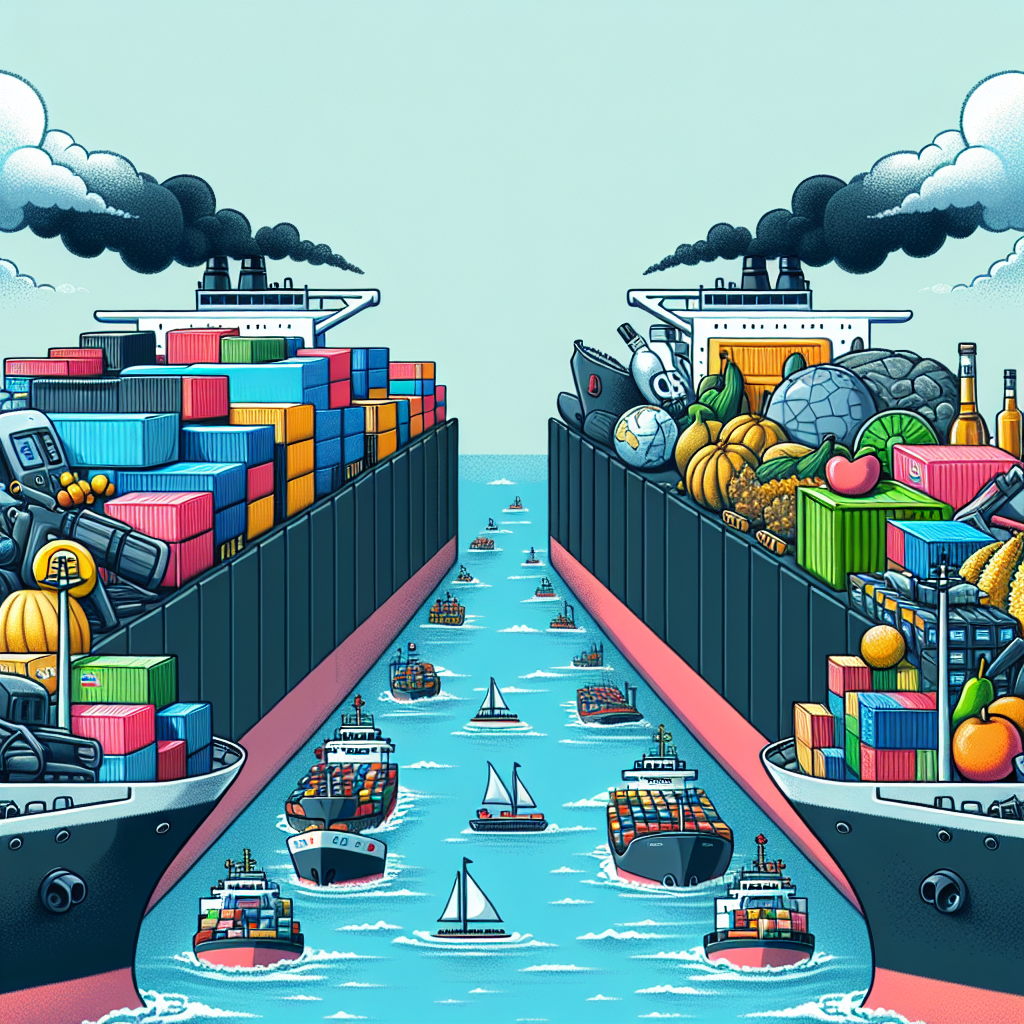
The trade tensions between the U.S. and China escalated on Friday when Beijing imposed additional duties of 34% on all American goods, intensifying its pivot to alternative suppliers for agricultural commodities, a move initially catalyzed during Donald Trump's presidency.
A major impact of the tariff hike is expected on products such as soybeans and sorghum, though trade in wheat and corn remains relatively unaffected as China has already reduced imports of these grains from the U.S. Soybean prices fell steeply on the Chicago Board of Trade, with fears of retaliatory measures from other regions like the European Union on the rise.
Brazil emerges as the key beneficiary, replacing U.S. soybeans amidst a bumper harvest. The geopolitical struggle shows signs of bolstering Brazil's soybean acreage, while China's ban on certain American farm goods underscores the tension's ramifications on bilateral trade. The global trade landscape remains fraught as political and economic strategies unfold.
ALSO READ
-
WTO Sets Up Panel on EU Carbon Border Rules as Russia Challenges Restrictions
-
WHO Brings Global Experts Together to Strengthen Herbal Medicine Quality and Safety
-
Human Cost of Faster Work: Chinese Employees Weigh AI’s Promise Against Pay Fears
-
EU Firms Rethink Supply Chains as Geopolitical Risks Reshape Global Trade
-
China's August Disasters Yield $5.38 Billion in Losses


 Google News