

Project Cheetah: Debunking Myths and Ensuring Conservation Success
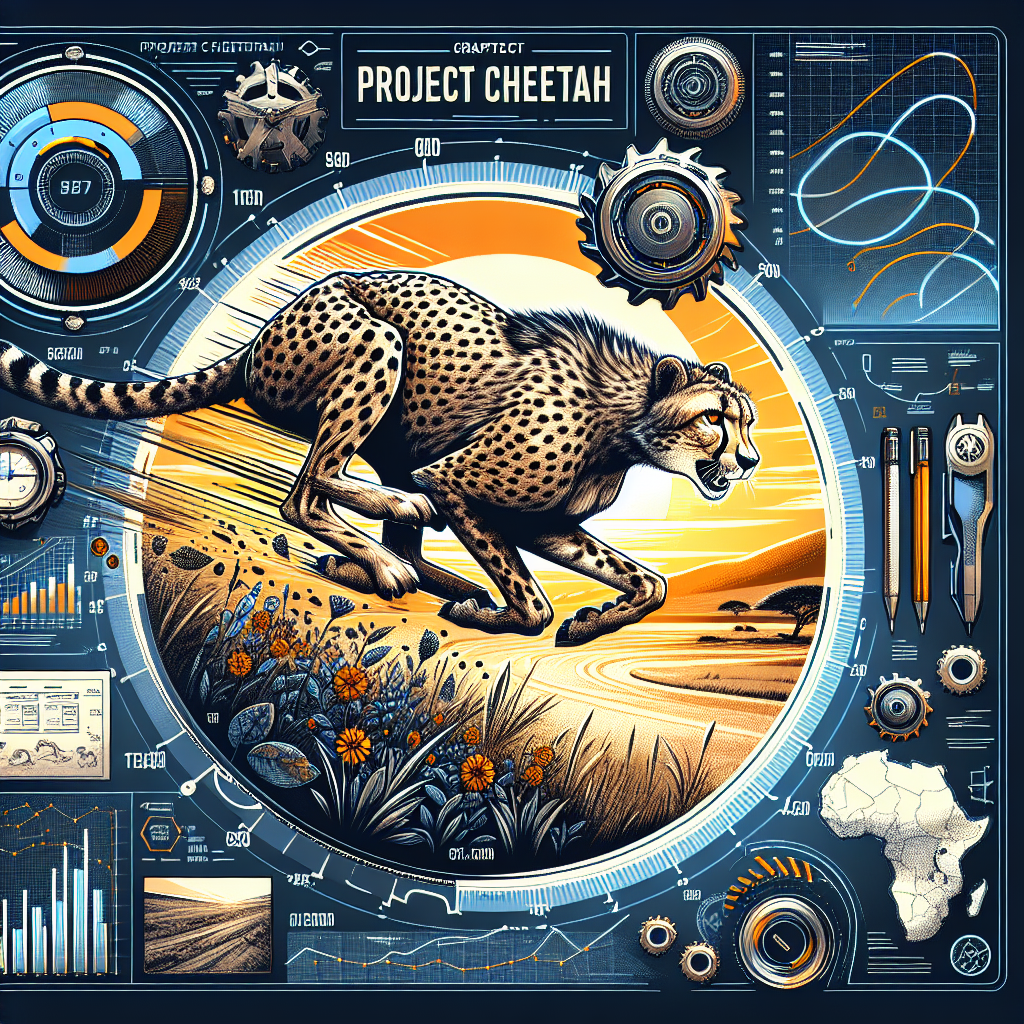
A recent paper criticizes the negative discourse around Project Cheetah, aimed at reintroducing cheetahs to India. The paper counters various misconceptions, highlighting adaptive management strategies and significant progress in cheetah reintroduction efforts at Kuno National Park, including natural breeding success and sustainable community benefits.
- Country:
- India
On Monday, a paper published in Frontiers in Conservation Science addressed criticisms of Project Cheetah, which aims to reintroduce the cheetah to India after its 70-year absence. The document labeled the critiques as ideologically biased and scientifically unfounded, urging a reevaluation of misconceptions surrounding the initiative.
The paper, written by officials from the environment ministry including NTCA Member Secretary G S Bhardwaj, emphasized the project's adaptive management strategies and measurable progress, disputing claims of cheetahs being held in captivity or harming local communities. It highlighted the use of soft-release bomas to facilitate natural behaviors and successful breeding.
Addressing mortality and habitat concerns, the paper noted that cheetah deaths are within expected norms for translocation efforts and praised the adaptability of cheetahs to diverse environments in India. It concluded that the project has positively impacted local communities by providing employment and infrastructure improvements.
ALSO READ
-
Cleaner Kitchens, Polluted Skies: Hidden Health Cost of India’s Electricity Boom
-
Japan-Backed ILO Projects Help 23,000 Workers Gain Rights and Fight Child Labour
-
India's Delicate Balancing Act: Navigating Energy Security Amid Middle Eastern Tensions
-
India Gears Up for Glory: Asian Games 2026 Preview
-
India Defends Energy Policy Amidst Rising Tariff Threats from U.S.


 Google News