

Ambitious economic growth targets can undermine sustainability efforts
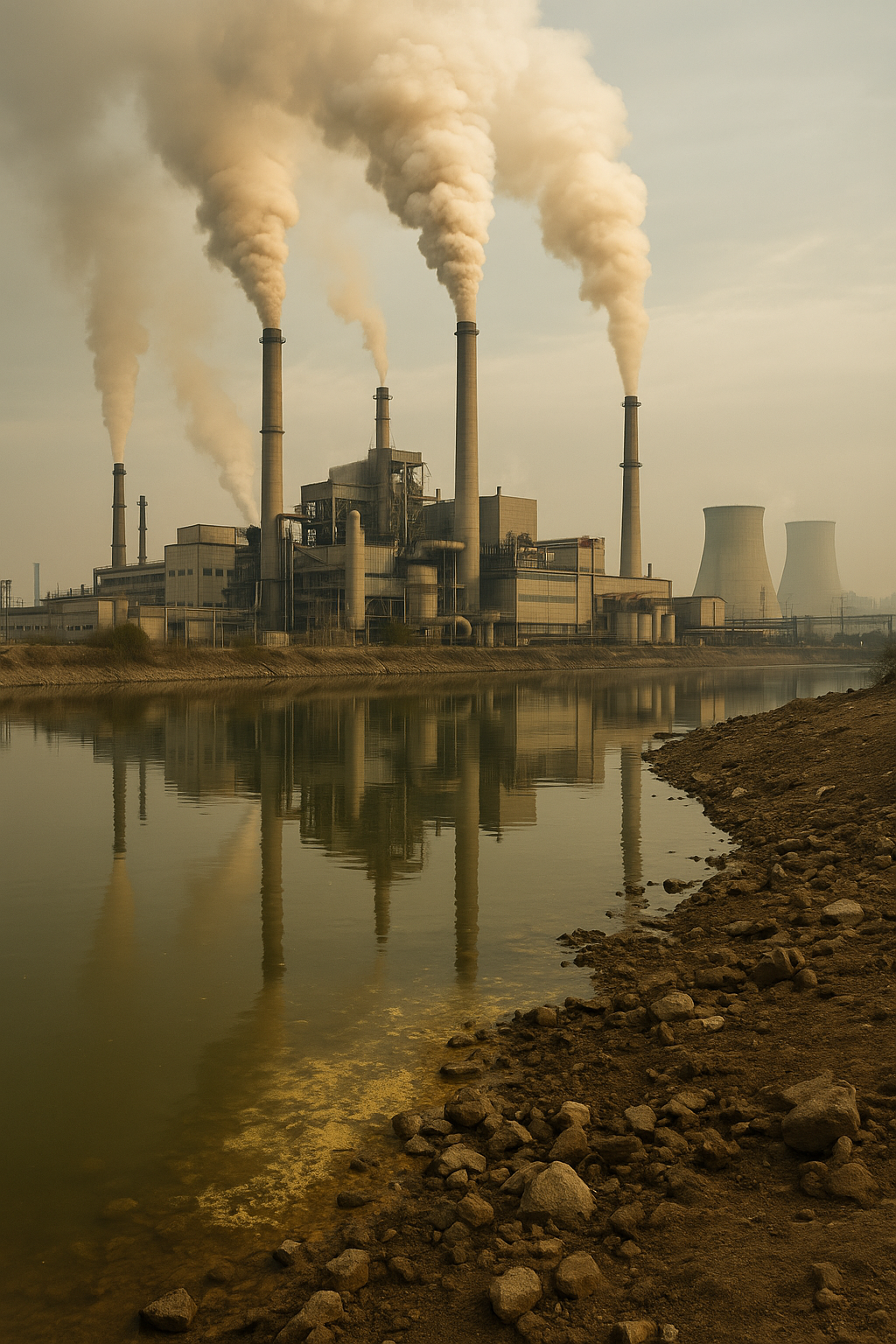
The study identifies a clear link between elevated economic growth targets and increased environmental pollution. Provinces that set growth targets above 7.5% experience significantly higher pollution levels. Specifically, when a local EGT exceeds this threshold, a 1% increase in the growth target is associated with a 0.3799% increase in the environmental pollution index.
 COE-EDP
- Country:
- China
Governments around the world are under mounting pressure to deliver economic growth while simultaneously addressing deepening environmental crises. As climate change accelerates and natural ecosystems face mounting stress, the tension between growth-driven policymaking and sustainable environmental management is intensifying. One key question emerging from this global debate is whether ambitious growth targets may be doing more harm than good when it comes to environmental outcomes.
A new study provides compelling evidence on this issue by examining how local economic growth targets impact environmental pollution. Titled "Do Economic Growth Targets Aggravate Environmental Pollution? Evidence from China" and published in Sustainability (2025), the research was conducted by Jianbao Chen from Xiamen Institute of Technology and Chenwei Wu from Fujian Normal University. Using a spatial autoregressive threshold panel (SARTP) model and provincial data spanning from 2008 to 2021, the study reveals that when economic ambitions exceed key thresholds, pollution levels rise significantly - not only locally, but also across neighboring regions.
While the research is focused on China, its implications extend far beyond national borders. It offers important insights for emerging and advanced economies alike, underscoring the environmental risks of overemphasizing growth targets in public policy without robust ecological safeguards.
Are economic growth targets worsening pollution across China?
The study identifies a clear link between elevated economic growth targets and increased environmental pollution. Provinces that set growth targets above 7.5% experience significantly higher pollution levels. Specifically, when a local EGT exceeds this threshold, a 1% increase in the growth target is associated with a 0.3799% increase in the environmental pollution index.
The research also documents strong spatial spillover effects. A 1% rise in pollution levels in neighboring provinces corresponds to a 0.5870% rise in the pollution index of the observing province, indicating that pollution is not a localized issue but a regional one. The interconnected nature of air and water pollution in particular highlights how environmental degradation does not respect administrative boundaries.
The findings suggest that uncoordinated or excessively high growth goals, particularly when they diverge from national benchmarks, amplify environmental risks across broader geographic areas. When a provincial growth target exceeds the national reference by just 0.5%, a 1% increase in the local EGT leads to a 0.4469% increase in the pollution index, further confirming the danger of misaligned development planning.
Which regions are most vulnerable to economic growth–driven pollution?
The study finds that the environmental impact of EGTs varies significantly by region. Central China bears the brunt of pollution increases resulting from elevated growth targets, while western provinces show a weakened effect and eastern provinces exhibit no statistically significant impact. This geographical disparity is linked to differences in industrial structure, population density, and dependence on heavy industry.
Provinces with high population concentrations and a lower share of the service sector are particularly vulnerable. These areas are more likely to pursue rapid industrial expansion to meet fiscal demands, thereby elevating pollution risks. The findings indicate that the negative consequences of economic overreach are magnified where social and ecological systems are least equipped to absorb them.
The authors argue that these regional variations should inform more nuanced and equitable policy interventions. A one-size-fits-all economic strategy risks overburdening already fragile ecosystems in growth-dependent provinces, especially in regions where industrial activity dominates and pollution control infrastructure is lagging.
What does this mean for China's sustainable development goals?
Although national policies such as performance-based environmental regulations and green GDP accounting have been introduced over the past two decades, local governments still face immense pressure to deliver rapid economic gains.
The authors note that short-term incentives often drive local officials to prioritize growth metrics over ecological preservation, especially in the absence of strict enforcement or alignment with central environmental directives. This dynamic perpetuates a cycle of high emissions, poor air and water quality, and resource overexploitation, all of which hinder long-term sustainable development.
According to the study, China's central government must enhance coordination mechanisms to align local growth ambitions with national environmental priorities. Policy tools such as target-setting discipline, differentiated regional thresholds, and ecological performance assessments for local officials are cited as crucial levers for reform.
The researchers also suggest that improving the transparency and accountability of local growth planning can reduce the adverse impact of EGTs. Transitioning from GDP-centric evaluations to multi-dimensional sustainability metrics may allow for more balanced governance that rewards ecological stewardship alongside economic success.
- FIRST PUBLISHED IN:
- Devdiscourse


 Google News