

Trump Introduces Temporary Tariffs Amid Legal Challenges
In response to the Supreme Court's decision, President Trump imposed a temporary 10% global import duty, leveraging Section 122 of the Trade Act of 1974. This new measure is intended to offer a stopgap as the administration pursues further investigations into unfair trading practices using other legislative tools.
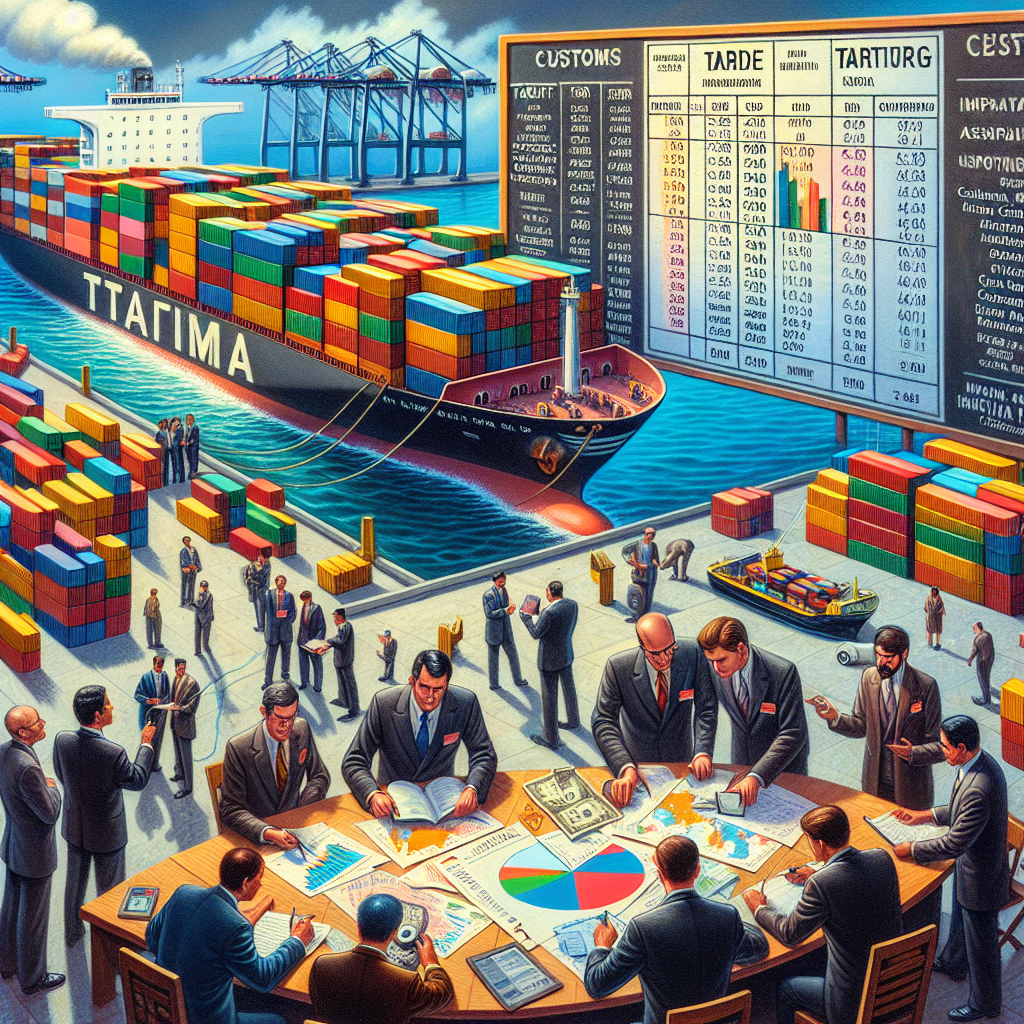
President Donald Trump took immediate action on Friday to introduce a provisional 10% global import duty following the Supreme Court's annulment of previous tariffs. This stopgap measure, valid for 150 days, is part of a broader strategy to reintroduce tariffs under alternative legal frameworks.
Trump invoked Section 122 of the Trade Act of 1974, which permits imposing duties up to 15% for 150 days to address balance of payment challenges, bypassing procedural constraints. This action follows the nullification of tariffs under the 1977 International Emergency Economic Powers Act.
Concurrently, Trump announced new country-specific investigations under Section 301 of the Trade Act of 1974, targeting unfair trading practices. These initiatives are viewed as efforts to consolidate the U.S. position in trade negotiations after a Supreme Court ruling reduced the president's leverage.
ALSO READ
-
EU Firms Rethink Supply Chains as Geopolitical Risks Reshape Global Trade
-
Lee Jae Myung's Diplomatic Milestones: Balancing Amidst Global Tensions
-
Diplomatic Moves: Takaichi's UN Meeting with Trump
-
Trade War Chessboard: Agriculture, Energy, and Rare Earths in Focus
-
High-Stakes Diplomatic Dance: Trump and Xi's Crucial Summit


 Google News