

Himachal's Green Revolution: From Medicinal Plants to Super Pollutants
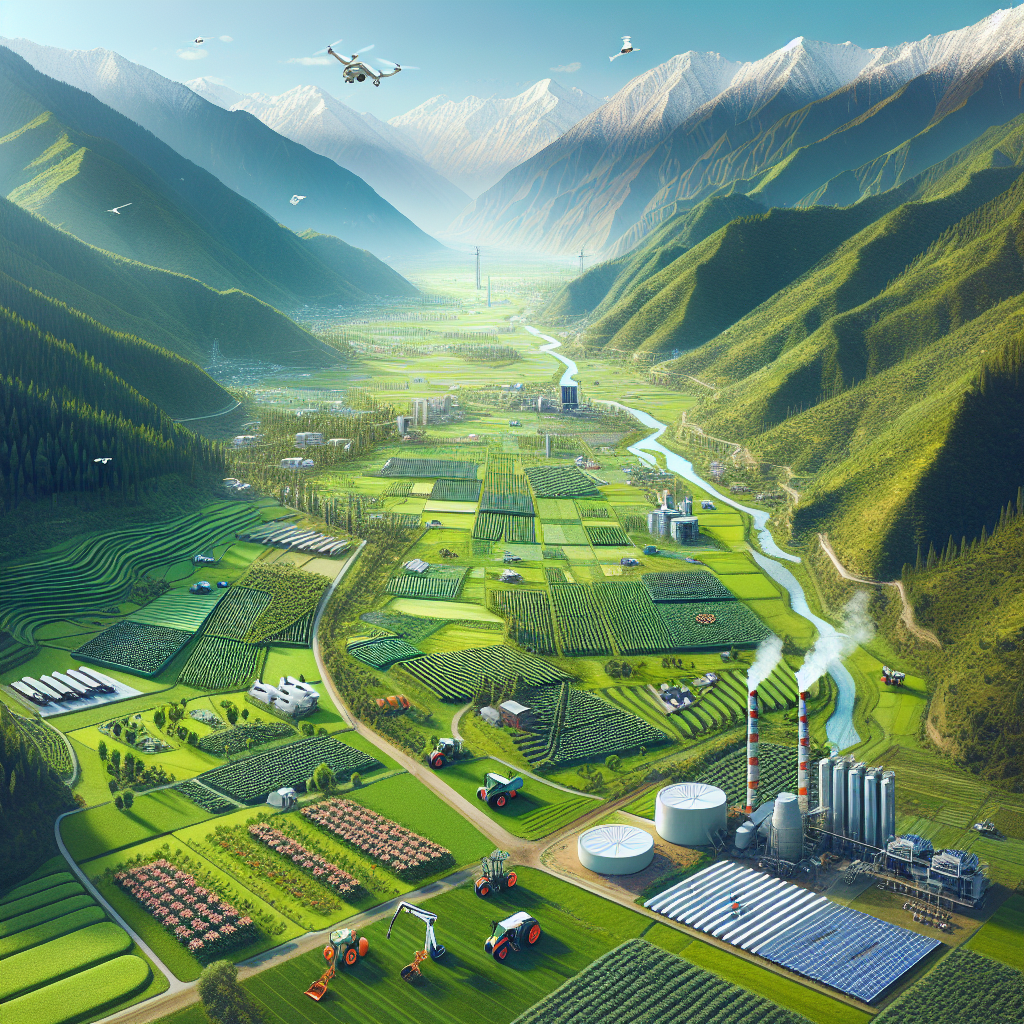
Himachal Pradesh is embarking on initiatives to expand medicinal plant cultivation and tackle non-CO2 greenhouse emissions. Agreements with Dabur and Karan Singh Vaidh will support medicinal plant growth, while a new report outlines strategies to address methane and black carbon emissions, critical for climate health in the Himalayan region.
- Country:
- India
Himachal Pradesh has initiated significant environmental projects, prioritizing both medicinal plant cultivation and climate change mitigation. Chief Minister Sukhvinder Singh Sukhu presided over agreements with Dabur and Karan Singh Vaidh to enhance medicinal plant propagation, marking a notable advance in sustainability efforts.
A report entitled 'Scientific Assessment of Tackling Non-CO2 Emissions: Pathways for Himachal Pradesh' was released, offering a strategic guide to reduce short-lived climate pollutants, including methane and black carbon. Presented in partnership with environmental bodies, it highlights fast climate benefits essential for regions like the Himalayas.
State leaders emphasize environmental preservation, with goals like becoming a Green Energy State. Initiatives include expanding solar power and promoting electric mobility, showcasing Himachal Pradesh's commitment to combating environmental challenges amid natural warning signs such as landslides and glacier shrinkage.


 Google News