

Fruit Fly Threat Contained: Papatoetoe Restrictions Lifted After Biosecurity Response
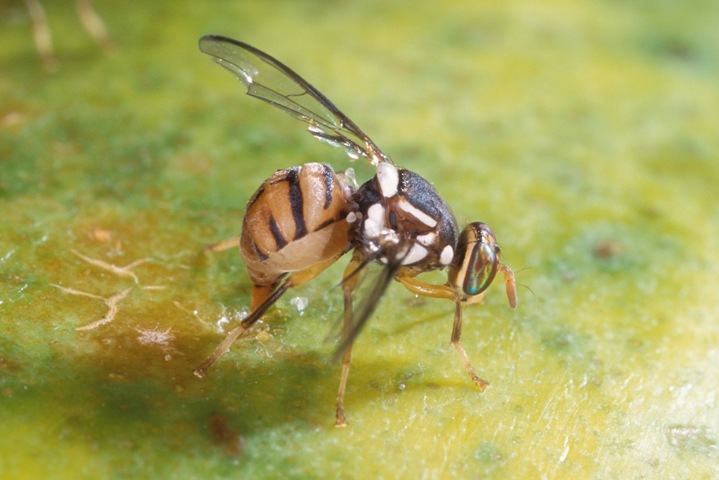
The Oriental fruit fly (Bactrocera dorsalis) is considered one of the world’s most destructive horticultural pests, capable of infesting a wide range of fruit and vegetable crops.
- Country:
- New Zealand
New Zealand has successfully averted a potential biosecurity crisis after authorities confirmed the elimination of the Oriental fruit fly threat in Papatoetoe, with all movement restrictions lifted from today. The swift response is being hailed as a critical win for the country's multi-billion-dollar horticulture and export sectors.
Biosecurity Minister Andrew Hoggard announced that no further evidence of the invasive pest has been detected since three male Oriental fruit flies were discovered in early March, allowing officials to stand down controlled area notices and resume normal activities.
"This is a significant outcome. An established population of Oriental fruit fly could have had devastating consequences for our growers and export markets," Hoggard said.
High-Risk Pest with Major Economic Implications
The Oriental fruit fly (Bactrocera dorsalis) is considered one of the world's most destructive horticultural pests, capable of infesting a wide range of fruit and vegetable crops. Its presence in New Zealand would pose a direct threat to:
-
Key export commodities such as apples, kiwifruit, and avocados
-
Domestic production systems
-
Access to international markets, many of which enforce strict biosecurity standards
Industry estimates suggest that a full-scale infestation could cost hundreds of millions of dollars annually through lost exports, increased control costs, and trade restrictions.
Rapid Response Prevents Escalation
The March detection triggered an immediate, large-scale biosecurity operation in South Auckland, including:
-
Movement restrictions on fruit and vegetables within the controlled zone
-
Intensive trapping and surveillance
-
Public awareness campaigns urging compliance
-
Collaboration with local businesses and residents
The absence of additional detections over several weeks indicated that the flies had not established a breeding population—an outcome that allowed authorities to confidently lift controls.
Experts note that early detection—particularly the identification of male flies only—was a key factor, suggesting a limited incursion rather than an entrenched infestation.
A System Built on Prevention and Precision
Officials credit New Zealand's layered biosecurity system for the successful containment. The system combines:
-
Pre-border measures: Treatment requirements for imported produce
-
Border controls: Inspections at airports, seaports, and cargo facilities
-
Post-border surveillance: Nationwide trapping networks designed to detect incursions early
At the heart of this system is a national surveillance programme of nearly 8,000 traps, deployed across the country during peak fruit fly season and monitored regularly.
"This is a system designed not just to respond, but to detect and eliminate threats before they can take hold," Hoggard said.
Proven Track Record
The Papatoetoe response marks the 16th successful fruit fly eradication effort in New Zealand over the past 30 years, reinforcing the country's reputation for world-leading biosecurity management.
Such consistency is critical for maintaining international confidence in New Zealand's export integrity, particularly in high-value markets that demand strict pest-free assurances.
Community Cooperation a Decisive Factor
Authorities emphasized that the success of the operation relied heavily on public compliance. Residents and local businesses adhered to restrictions on moving produce, enabling biosecurity teams to contain the risk zone effectively.
"I commend the community for their cooperation. Their efforts have played a direct role in protecting both our horticultural sector and home gardens," Hoggard said.
Local engagement, including awareness campaigns and on-the-ground support, helped ensure high levels of adherence—often cited as a decisive factor in biosecurity responses.
Vigilance Continues
While restrictions have now been lifted, officials stress that the risk of future incursions remains, particularly given global travel and trade flows.
The national fruit fly surveillance programme will continue uninterrupted, maintaining:
-
Thousands of active traps across urban and rural areas
-
Regular inspections and rapid-response capability
-
Ongoing public awareness around biosecurity risks
Safeguarding a Critical Sector
New Zealand's horticulture industry is a cornerstone of its export economy, generating billions in annual revenue and supporting thousands of jobs. Maintaining pest-free status is essential not only for economic stability but also for protecting the country's reputation in global markets.
The successful containment in Papatoetoe underscores the importance of sustained investment in biosecurity infrastructure, rapid response capability, and community partnership.
As international trade and travel continue to expand, officials warn that maintaining this level of vigilance will be critical to preventing future threats.


 Google News