

The Paradox of Tiny Arms and Massive Skulls in Dinosaurs
Tyrannosaurus rex and other meat-eating dinosaurs had massive skulls but tiny arms. Researchers documented that as herbivorous dinosaurs increased in size, carnivorous dinosaurs evolved robust skulls and reduced arms for survival, suggesting a trade-off in evolutionary traits favoring jaw strength over limb utility in hunting.
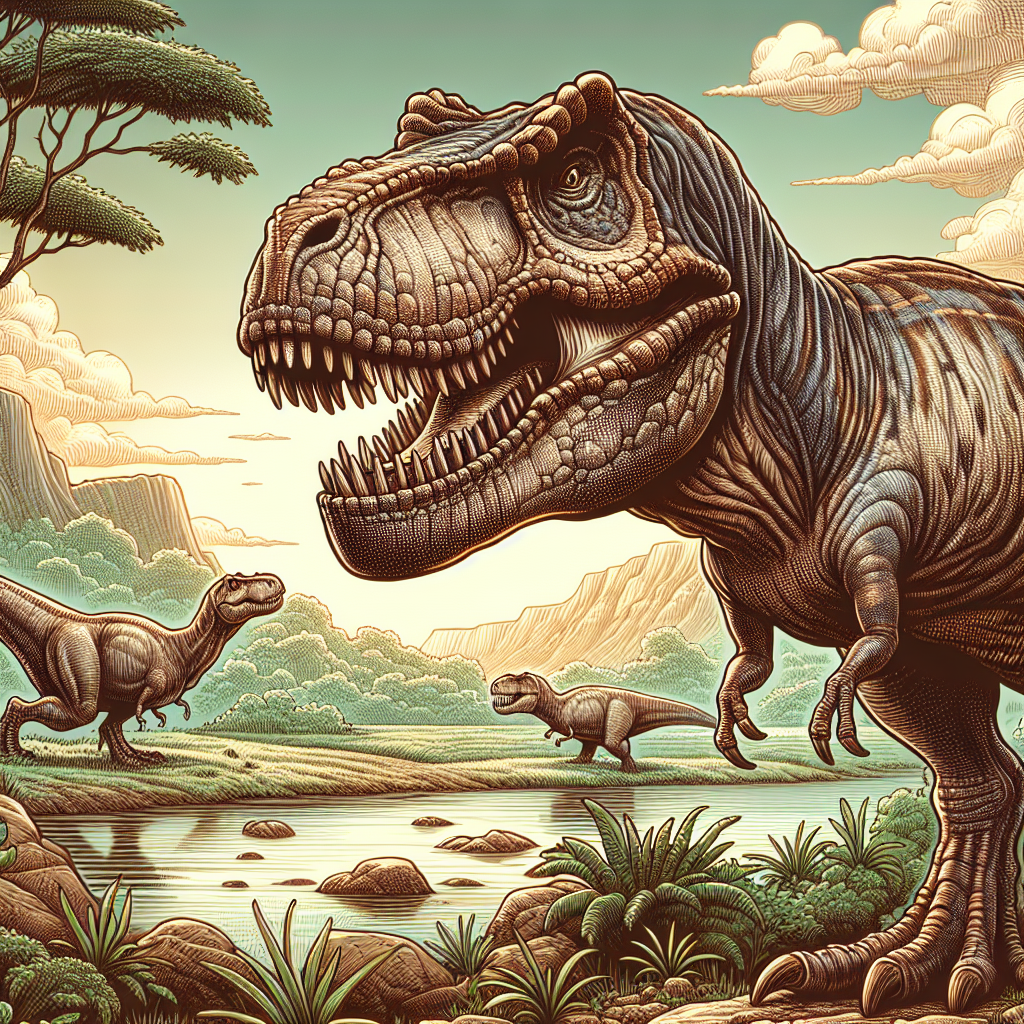
The iconic Tyrannosaurus rex, known for its enormous skull and bone-crunching bite, oddly also had diminutive arms—a feature shared by many theropod dinosaurs. New research reveals that as plant-eaters grew larger, theropods evolved robust skulls and reduced arms, trading limb utility for jaw strength in their evolutionary arms race.
Researchers identified five theropod lineages where this trait independently evolved, underscoring the evolutionary advantages of such adaptations. The findings suggest that in the face of increasing prey body size, these predators relied more on their powerful heads for hunting, rendering their forelimbs redundant.
While species like T. rex became iconic for their tiny arms, other theropods like Spinosaurus retained long limbs, indicating diverse evolutionary paths. This complex genetic backdrop means that while some structures diminish, their genes may persist due to other essential roles they play in the organism.


 Google News