

Strait of Hormuz Tensions Ripple Through Global Oil Markets
Rosneft CEO Igor Sechin warns that the closure of the Strait of Hormuz benefits U.S. energy companies but poses long-term risks to global oil demand. He highlights the strategic miscalculations and potential disruptions to other vital trade routes amid geopolitical tensions, underscoring the complex dynamics in energy markets.
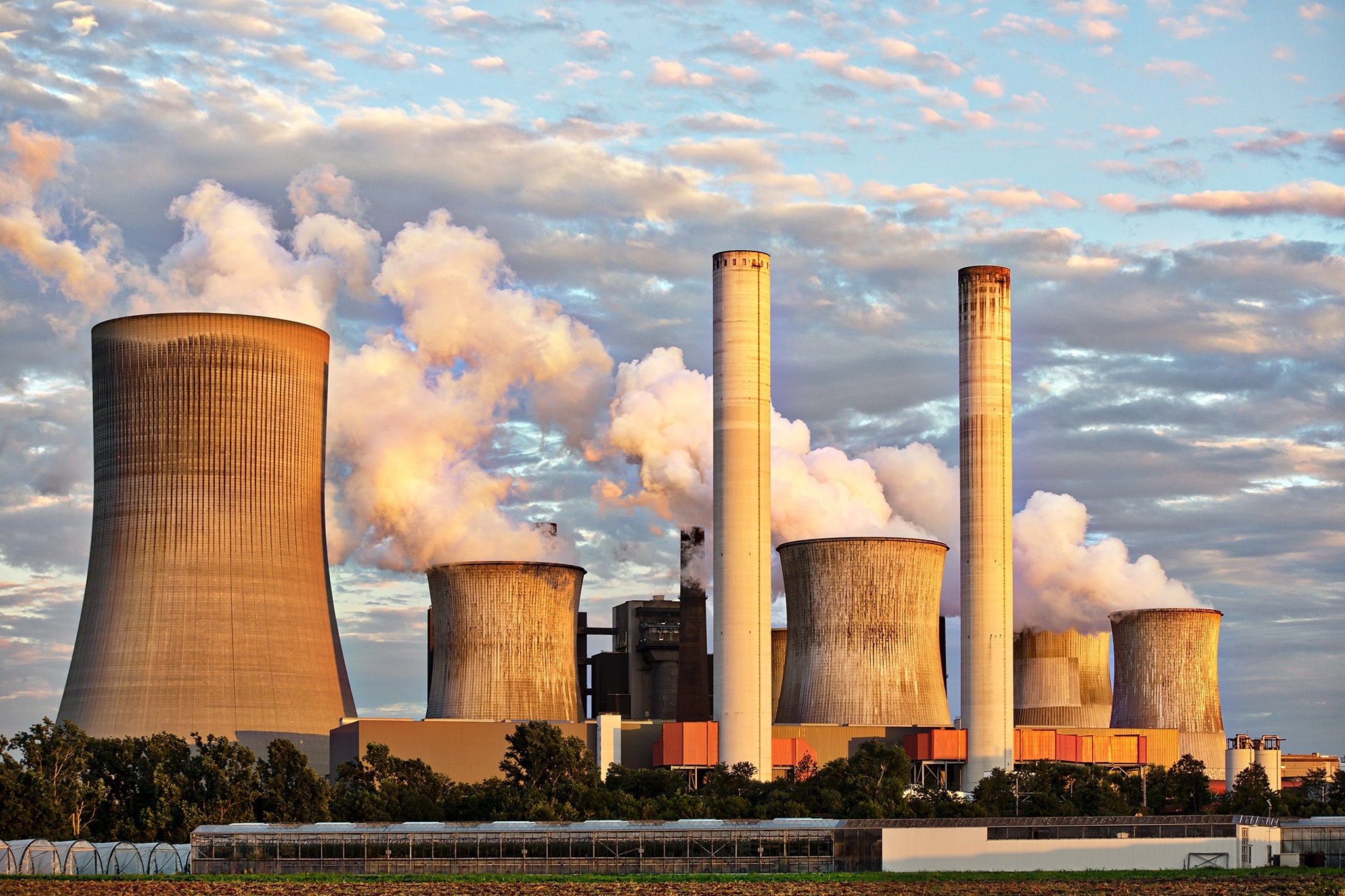
Rosneft Chief Executive Igor Sechin warned on Saturday that the closure of the Strait of Hormuz, orchestrated by Iran in response to U.S.-Israeli attacks, primarily benefits American energy companies but detrimentally reshapes the global oil market. Speaking at the St. Petersburg International Economic Forum, Sechin criticized the strategic risks involved and labeled U.S. actions as market manipulation to suit its interests.
The blockade has escalated global oil prices, bolstering Russia's oil and gas revenue, yet Sechin cautioned about underestimated risks. The ongoing tensions jeopardize routes crucial for worldwide commerce and signal a shift towards alternative energy resources. He highlighted China's strategic preparedness for such crises.
Amid rising geopolitical complexities, Sechin foresaw potential reductions in oil prices with the reopening of the Strait. Additionally, he addressed the declining influence of the OPEC+ alliance due to recent exits, emphasizing the need for substantial investments to compensate for production shortfalls.


 Google News