

China’s NFGA raises workshop with WWF in Botswana to bring awareness on wildlife trafficking
- Country:
- Botswana
- China
China's National Forestry and Grassland Administration (NFGA), in association with World Wide Fund for Nature (WWF) organized an advocacy workshop in Botswana's capital, Gaborone on March 27. The aim of raising the workshop was on bring more awareness to wildlife trafficking amongst Chinese nationals living and working in Botswana.
The workshop which took place at the Chinese Embassy in Botswana was attended by more than 80 Chinese nationals working in state-owned enterprises, private businesses and residing in Botswana. In his opening statement, Peng Youdong, deputy minister of the NFGA, said that China is promoting the concept of sustainable development and the construction of ecological civilization, strengthening endangered species conservation and combating wildlife crime.
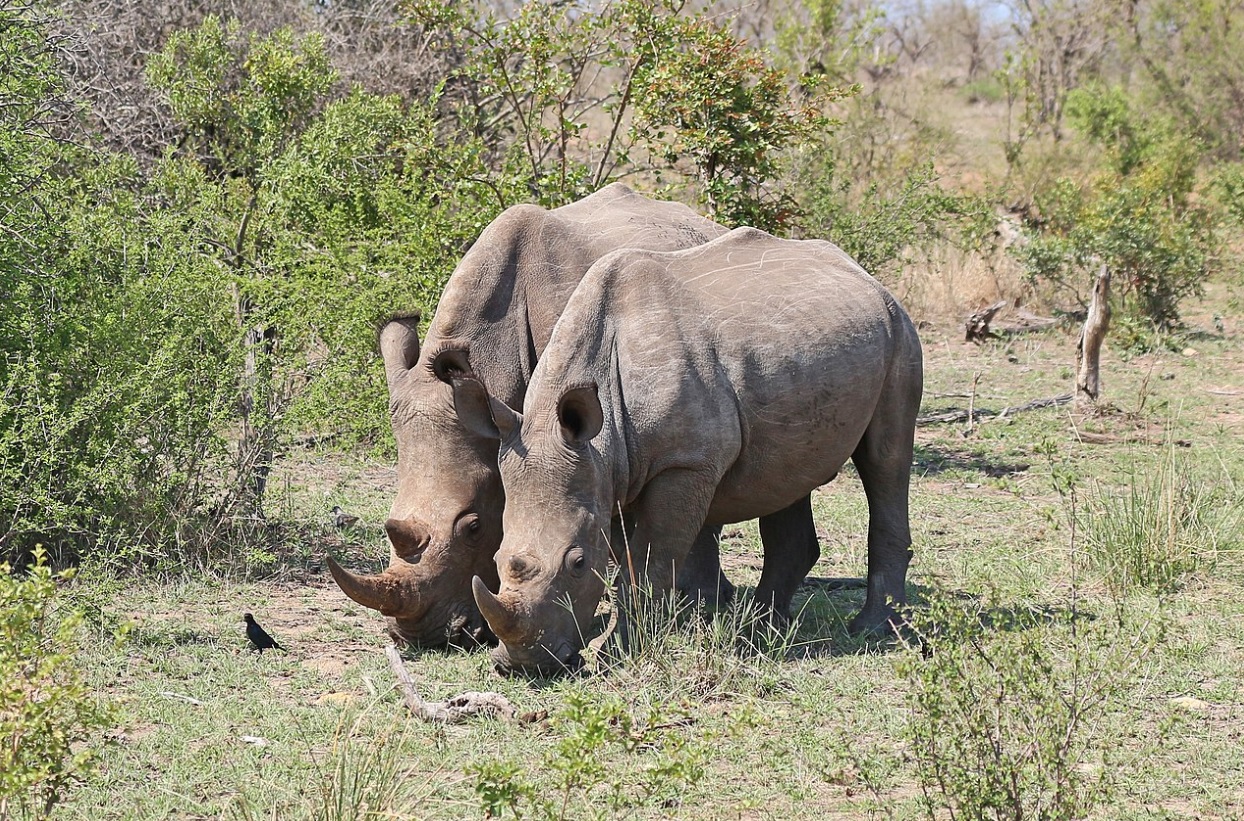
China's recent decision to close its domestic ivory market, to ban the commercial processing of rhino horn and tiger bone, as well as its tightening of legislation governing the trade in other endangered wildlife species demonstrates the government's commitment to tackling illegal wildlife trade, he said. "The Chinese government has been actively supporting Botswana's wildlife protection work. I hope that Chinese nationals in Botswana could learn about the laws and policies, raise awareness of conservation, resist any actions of illegal wildlife trade, and spread the words to your fellow Chinese," said Zhao Yanbo, Chinese ambassador to Botswana, Xinhua published.
"Legal ivory is no longer available in China. In addition, any attempt to bring ivory from abroad is illegal and will be punished by law," said Zhou Fei, chief program officer of the WWF in China. "Ivory or rhino horn items are simply not options as souvenir or gifts for international travellers."
Thato Raphaka, permanent secretary of Botswana's Ministry of Environment, Natural Resource, Conservation and Tourism, urged delegates from China to help Botswana combat wildlife crime. "Illegal wildlife trade is not only a concern for conservation areas in the source country but also extends to international criminal and terrorist syndicates, which threaten global peace," Raphaka said, adding that cooperation among source, transit and destination countries is important.
Botswana is working with regional and multilateral institutions and partners to combat the import and export of illegal wildlife products, particularly ivory, by looking for means to cut the demand and supply for such products, he said. At the end of the workshop, a public pledge to say no to illegal wildlife trade was made by the representative of the local Chinese nationals and companies in Botswana, as reported by Xinhua.
Also Read: China imports first consignment of beef weighing 21 tonnes from Namibia
ALSO READ
-
ILO Report Reveals How to Bring Social Security Within Reach of Informal Workers
-
WTO Sets Up Panel on EU Carbon Border Rules as Russia Challenges Restrictions
-
WHO Brings Global Experts Together to Strengthen Herbal Medicine Quality and Safety
-
Human Cost of Faster Work: Chinese Employees Weigh AI’s Promise Against Pay Fears
-
China's August Disasters Yield $5.38 Billion in Losses


 Google News