

UN Expert Backs IOC’s New Policy on Female Category, Calls It a ‘Turning Point’ for Fairness in Sport
Experts note that the SRY gene remains constant throughout life, making it a reliable biological indicator.
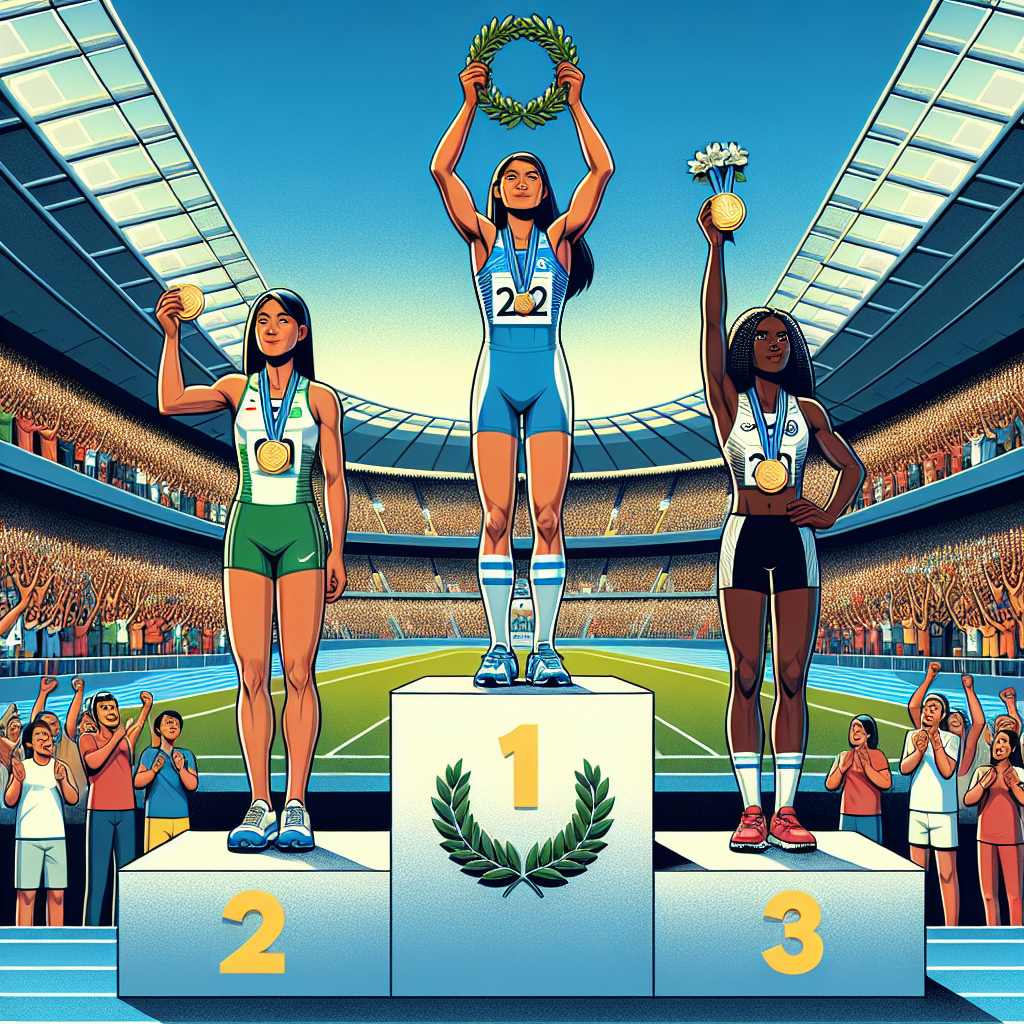
A United Nations human rights expert has welcomed the International Olympic Committee's (IOC) adoption of a new policy governing eligibility in women's sport, describing it as a "necessary and evidence-based step" to safeguard fairness, safety and dignity for female athletes.
Reem Alsalem, the UN Special Rapporteur on violence against women and girls, said the updated framework marks a significant shift in global sports governance, aligning competition rules with scientific evidence and human rights standards.
Science-Based Criteria for Female Category
The new IOC policy restricts participation in the female category at Olympic Games and IOC events to biological females, determined primarily through SRY gene screening—a genetic marker widely associated with male sex development.
According to the policy:
-
Screening may be conducted using saliva, cheek swab or blood samples
-
Testing is typically one-time and non-invasive
-
Additional evaluation may occur in rare cases involving differences in sex development (DSD)
Experts note that the SRY gene remains constant throughout life, making it a reliable biological indicator.
Alsalem emphasized that grounding eligibility in biological criteria is essential to maintaining competitive integrity.
"This policy is rooted in common sense, facts and science," she said. "It restores dignity, fairness and safety for women and girls in Olympic sport."
Addressing Longstanding Concerns
The Special Rapporteur had previously raised concerns about the IOC's earlier framework on gender identity and inclusion, warning that the erosion of sex-based categories could expose female athletes to:
-
Physical risks and injuries
-
Loss of privacy
-
Reduced participation and self-exclusion
In earlier reports to the UN General Assembly and Human Rights Council, Alsalem argued that removing or weakening female-only categories could result in lost opportunities, including medals and recognition, while obscuring structural inequalities in sport.
Not a Ban, But a Rebalancing
Alsalem clarified that the new policy does not exclude individuals from sport altogether, but rather ensures that competition categories reflect biological distinctions.
"Contrary to some reports, this policy does not disqualify anyone from participating in sport," she said. "It ensures that women and girls are not disadvantaged in their own category."
The framework allows athletes to continue competing in categories aligned with their biological sex, while preserving a level playing field in women's events.
Call for Responsible Reporting
The UN expert also urged media organizations and stakeholders to report accurately on the policy and avoid misinformation, noting that public discourse around gender and sport has often been polarized and misrepresented.
Addressing Past Injustices
While the policy is not retroactive, Alsalem suggested that the IOC should consider measures to address past harms experienced by female athletes, including:
-
Formal apologies
-
Retrospective or parallel medal recognition
Such actions, she said, would demonstrate accountability and acknowledge athletes who may have been unfairly impacted under previous rules.
Global Implications for Sports Governance
Alsalem called on national and international sports bodies to align their policies with the IOC's updated standards, signaling a potential ripple effect across global sporting institutions.
The move comes amid increasing debate worldwide over how to balance inclusion, fairness and safety in competitive sport—particularly at elite levels.
A Defining Moment for Women's Sport
The adoption of the policy is being framed by supporters as a defining moment in protecting the integrity of women's competition, while critics are expected to continue raising concerns about inclusivity.
For now, the UN expert's endorsement adds significant weight to the IOC's position, reinforcing the argument that evidence-based policymaking is central to safeguarding both human rights and competitive fairness.


 Google News