

Science News Roundup: Danish astronaut flying on SpaceX shuttle warns Europe not to fall behind in space; NASA spacecraft documents how Jupiter's lightning resembles Earth's and more
Data obtained by Juno is providing fresh information on how the lightning processes on Jupiter are similar to those on Earth despite the dramatic differences between the two planets, according to scientists. South Korea says homegrown space rocket put satellite into orbit South Korea's domestically produced space rocket successfully delivered a commercial-grade satellite into orbit on Thursday, the country's science minister said, marking a major step in its efforts to become a key player in an intensifying space race with its Asian neighbours.
Following is a summary of current science news briefs.
Danish astronaut flying on SpaceX shuttle warns Europe not to fall behind in space
Europe is at risk of falling behind in the global space race and missing out on key technologies, Danish astronaut Andreas Mogensen said ahead of his second trip into space onboard Elon Musk's next SpaceX mission in August. Mogensen, who will be the first non-American pilot to steer the SpaceX Crew Dragon shuttle to the International Space Station (ISS), hopes to one day fly into space on an independent European mission.
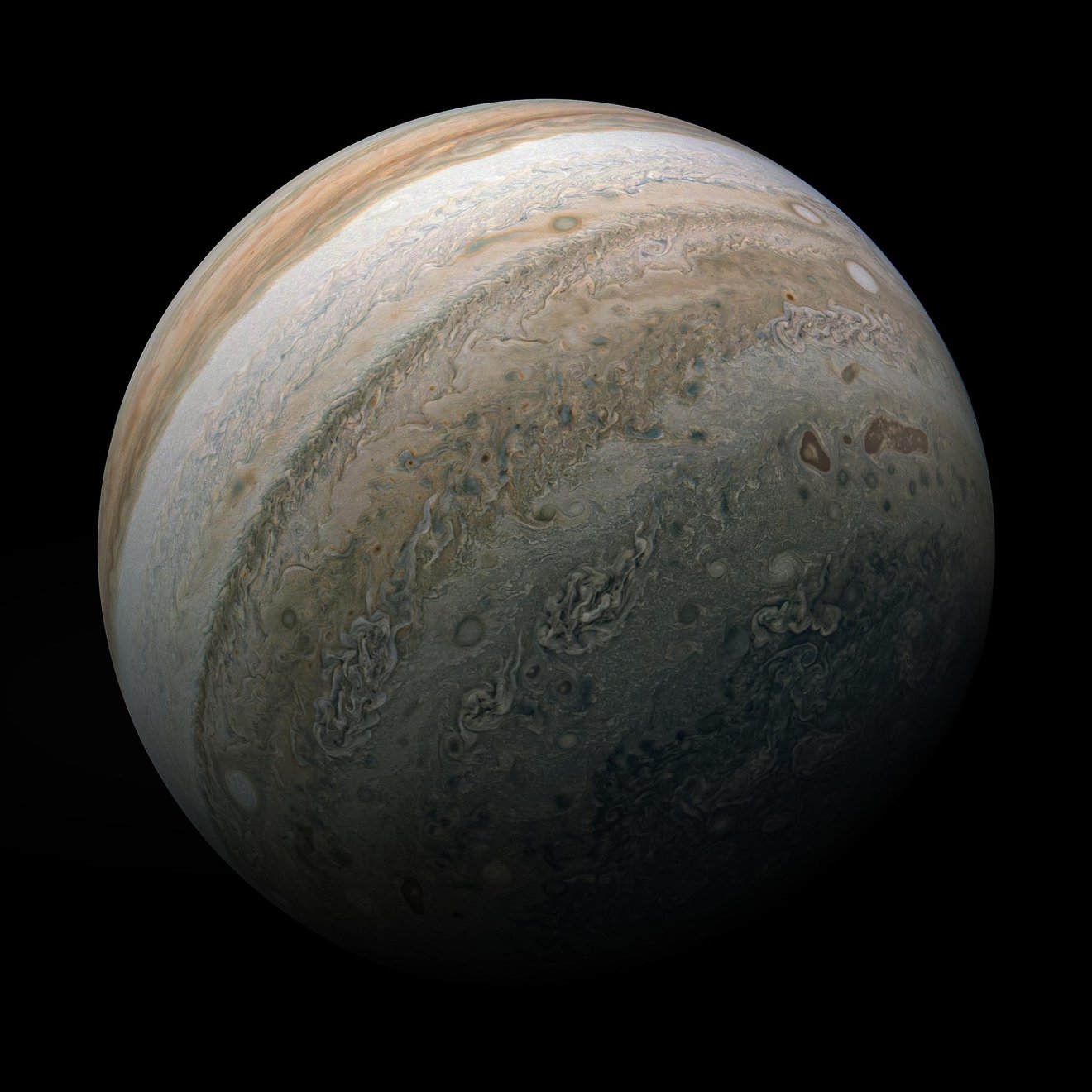
NASA spacecraft documents how Jupiter's lightning resembles Earth's
Hidden below the brownish ammonia clouds blanketing Jupiter are clouds that like on Earth are made of water. And like on Earth, lightning often is generated within these clouds - an eerie sight spotted by various spacecraft that have visited our solar system's largest planet, including NASA's Juno probe. Data obtained by Juno is providing fresh information on how the lightning processes on Jupiter are similar to those on Earth despite the dramatic differences between the two planets, according to scientists.
South Korea says homegrown space rocket put satellite into orbit
South Korea's domestically produced space rocket successfully delivered a commercial-grade satellite into orbit on Thursday, the country's science minister said, marking a major step in its efforts to become a key player in an intensifying space race with its Asian neighbours. The Nuri rocket lifted off from Naro Space Center on the southern coast of South Korea at 6:24 p.m. (0924 GMT) in its third flight after the launch was cancelled a day earlier due to technical glitches.
South Korea cancels third launch of homegrown rocket due to technical problems
South Korea cancelled the third flight of its homegrown space rocket on Wednesday because of technical problems hours before a launch that was meant to mark a significant step in its burgeoning space programme. South Korea is aspiring to be a key player in space technology, competing with its Asian neighbours.
Dubai camel cloning caters to races, beauty pageants
Having led the world's first cloning of camels in 2009, Nisar Wani is now replicating a few dozen a year at a Dubai lab - a big business in the Gulf region where camels are cherished and can earn huge sums in beauty and racing contests. "We collect these eggs from the ovaries of slaughtered animals. We have to mature them in the lab for 24 hours before they reach the stage where we can use them for the cloning process," Wani said.
Virgin Galactic set for first spaceflight in nearly two years
Virgin Galactic , the space tourism firm founded by Richard Branson, is set to launch its first spaceflight mission in nearly two years on Thursday, a final planned test flight with a crew of six before it kickstarts its long-awaited commercial service. The company's Unity 25 mission from Spaceport America, New Mexico, comes 22 months after billionaire Branson and other Virgin Galactic employees rode to the edge of space aboard the company's centerpiece SpaceShipTwo spaceplane. That was a high-profile mission it hoped would open the door to routine flights soon after.


 Google News