

Science News Roundup: Elon Musk's Neuralink wins FDA approval for human study of brain implants; Japan startup's failed moon landing caused by altitude miscalculation, company says
Following is a summary of current science news briefs. Elon Musk's Neuralink wins FDA approval for human study of brain implants Elon Musk's Neuralink received U.S. Food and Drug Administration (FDA) clearance for its first-in-human clinical trial, a critical milestone for the brain-implant startup as it faces U.S. probes over its handling of animal experiments.
Following is a summary of current science news briefs.
Elon Musk's Neuralink wins FDA approval for human study of brain implants
Elon Musk's Neuralink received U.S. Food and Drug Administration (FDA) clearance for its first-in-human clinical trial, a critical milestone for the brain-implant startup as it faces U.S. probes over its handling of animal experiments. The FDA approval "represents an important first step that will one day allow our technology to help many people," Neuralink said in a tweet on Thursday, without disclosing details of the planned study. It added it is not recruiting for the trial yet and said more details would be available soon.
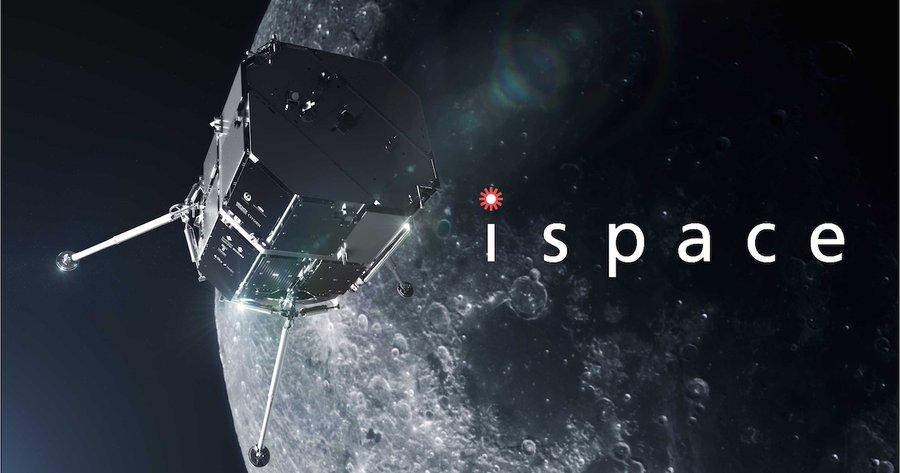
Japan startup's failed moon landing caused by altitude miscalculation, company says
Japanese startup ispace inc's failed Hakuto-R moon landing mission last month was caused by an altitude miscalculation that meant the spacecraft ran out of fuel, the company said on Friday. Tokyo-based ispace lost connection with the Hakuto-R Mission 1 lander after the spacecraft attempted what would have been the world's first commercial soft-landing on the moon's surface.


 Google News