

AI and CRISPR: Revolutionizing Biotechnology with Bespoke Proteins
Recent advancements in AI and CRISPR technology are revolutionizing biotechnology. Researchers are now capable of designing and composing bespoke proteins using gene-edited bacteria. These developments hold promise for addressing environmental challenges, such as reducing greenhouse gases and breaking down plastics, but also pose significant risks due to the complexity of natural systems.
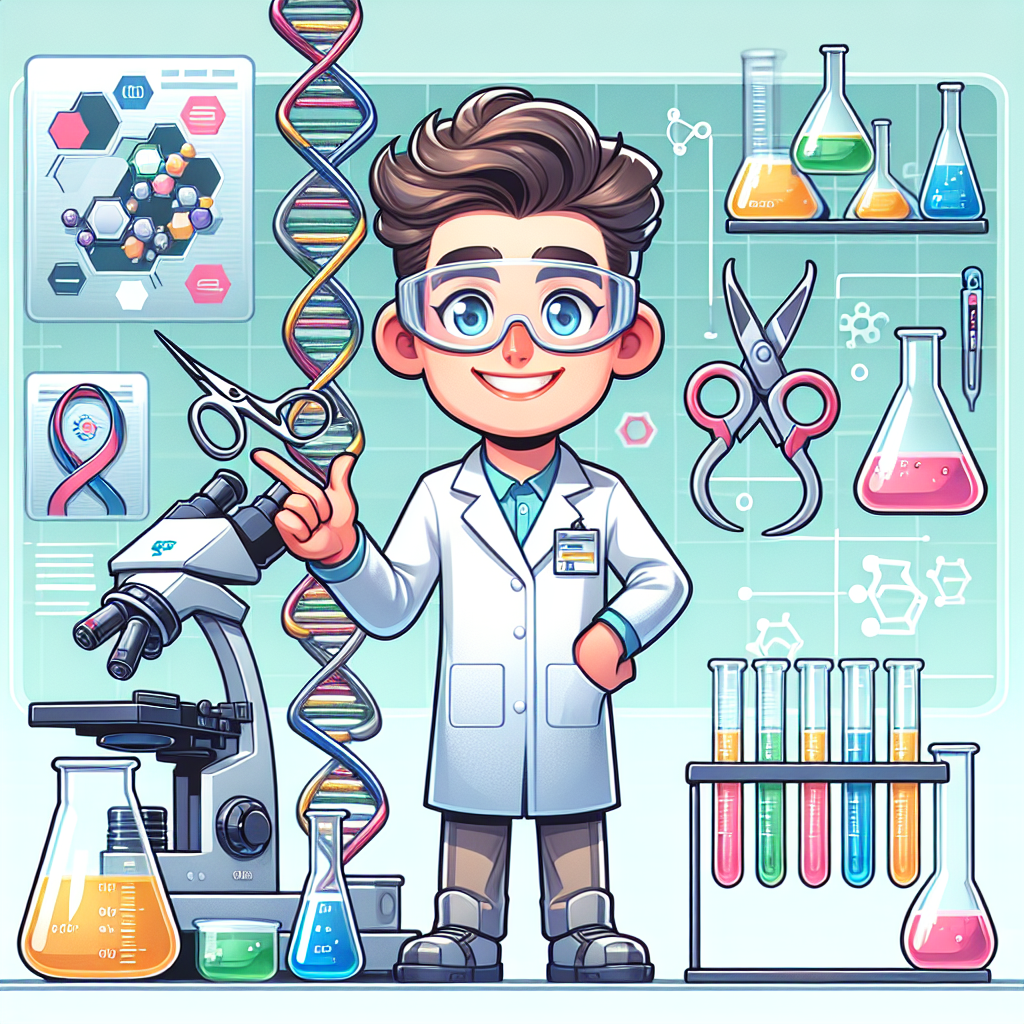
Recent advancements in artificial intelligence and CRISPR technology are set to revolutionize biotechnology. Scientists are leveraging AI's design capabilities alongside gene editing to create bespoke proteins. These proteins, produced by gene-edited bacteria, have potential applications in reducing greenhouse gases and breaking down plastics. However, experts caution that such powerful technologies come with inherent risks and complexities.
Frances Arnold’s 2018 assertion during her Nobel Prize lecture that composing DNA was not yet possible is no longer accurate. AI has advanced to the stage where it can now compose DNA sequences, marking a significant leap in genetic engineering. By designing proteins and editing genes with unprecedented precision, researchers aim to address environmental issues and enhance drug development.
While the integration of AI and CRISPR in producing novel proteins offers exciting possibilities, it also presents challenges. The complexity of natural systems means that unintended consequences are always a risk. As these technologies continue to evolve, balancing innovation with caution becomes imperative.


 Google News