

Digital Warfare: The Battle for Information in Kharkiv
In early April, residents of Kharkiv received fake government alerts, inciting panic. These were part of Russia's sophisticated digital disinformation campaign. As Russian troops advanced, fake texts and social media posts aimed to spread fear. Despite these efforts, the residents' familiarity with war conditions has mitigated the impact of such tactics.
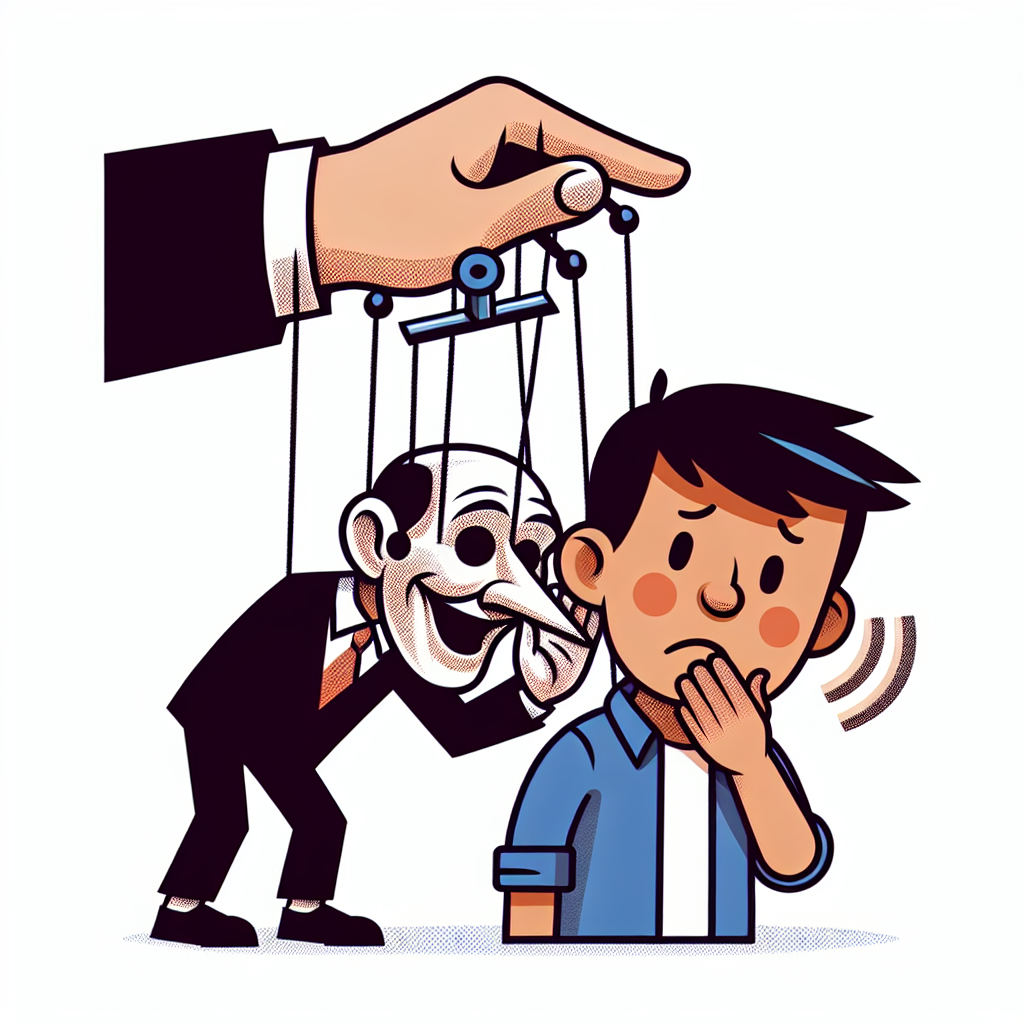
In early April, some residents of Kharkiv received a series of alarming text messages from supposed government officials, urging them to evacuate before Russian forces encircled the city. The alerts, which included a logo of the State Emergencies Service of Ukraine and escape routes, were quickly identified as fake by Kharkiv's police chief Volodymyr Tymoshko.
The fake messages, part of Russia's psychological operations, aimed to incite panic among the civilians of Kharkiv. The disinformation campaign intensified as Russian troops gathered near the border. Ukrainian authorities noted a spike in misleading social media posts, reaching over 2,500 a day by May, compared to 200 in March.
Despite the barrage of false information, the resilience and increasing skepticism of Kharkiv's residents helped mitigate the impact of these tactics. Many continued their daily lives, used to the dangers of living in a warzone and less susceptible to the psychological operations intended to instill fear and chaos.


 Google News