

Food computing: How AI and IoT are reshaping the future of food
Computer vision is enabling applications like food waste detection and smart kitchen appliances, while natural language processing supports personalized dietary recommendations by interpreting user preferences and recipe databases. AI’s role in food computing is expanding into personalization, where it evaluates cultural differences and individual health metrics to tailor nutritional guidance.
 COE-EDP
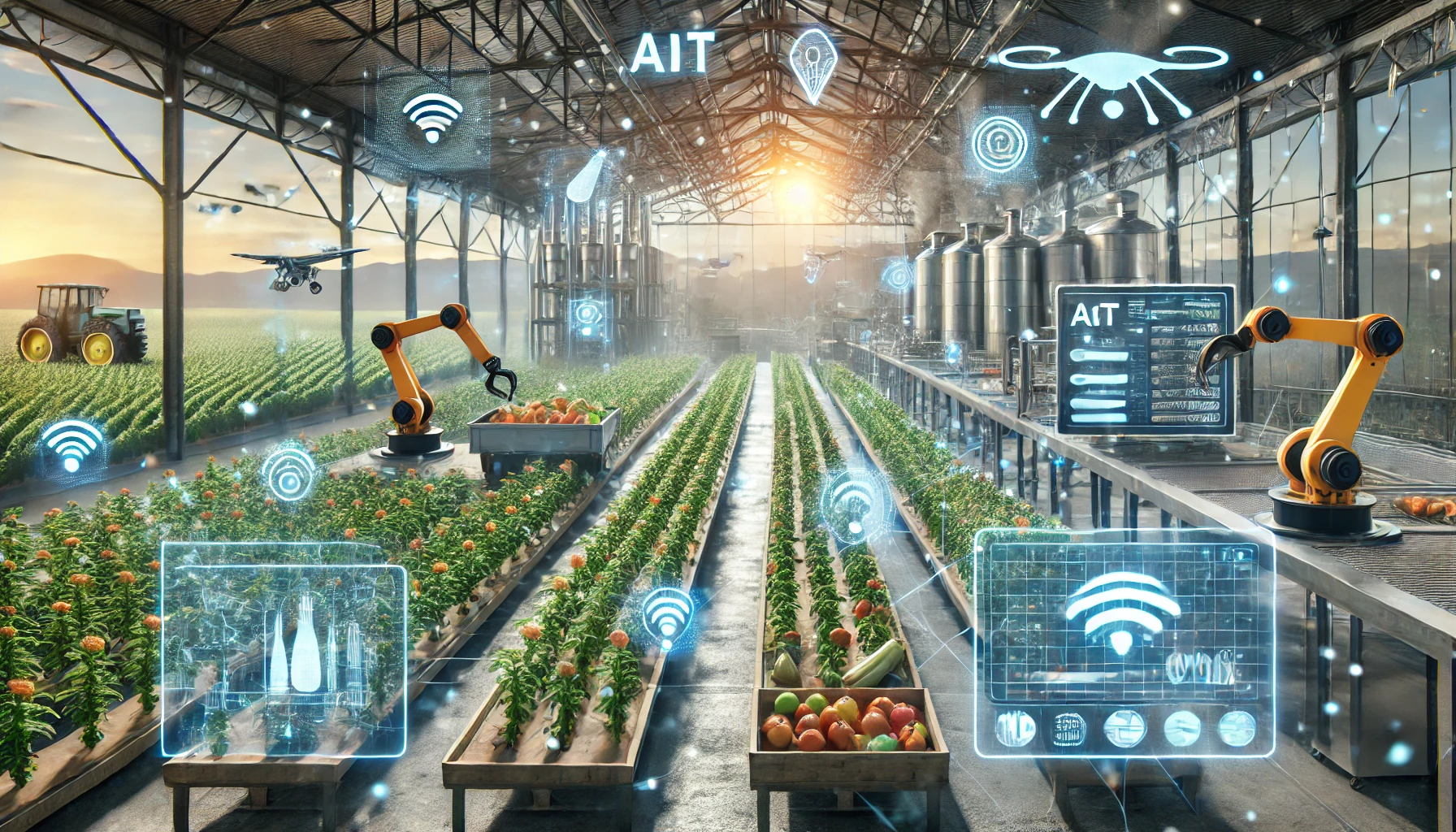
A new review published in Sensors unveils how artificial intelligence (AI) and the Internet of Things (IoT) are poised to transform the global food sector, tackling pressing challenges like safety, waste, and sustainability. The study, authored by researchers from several Italian institutions, outlines how AI-enabled IoT solutions are rapidly redefining every phase of the food supply chain, from crop production and food processing to nutrition management and consumer experience. With food demand soaring and traditional methods faltering, the findings signal a tech-driven future for an industry at a crossroads.
The research "AI-Enabled IoT for Food Computing: Challenges, Opportunities, and Future Directions", discusses food computing - a rapidly advancing interdisciplinary field that integrates AI, IoT, data analytics, and automation to optimize food-related processes. Unlike traditional food systems that focus primarily on production and safety, food computing facilitates intelligent decision-making through real-time monitoring, predictive modeling, and machine learning. The review describes a technological landscape where food is not just consumed but computationally understood, tracked, and tailored to individual needs.
Machine learning algorithms, including convolutional neural networks and reinforcement learning models, are now being deployed in image-based food quality inspections, calorie estimations, and contamination detection. Computer vision is enabling applications like food waste detection and smart kitchen appliances, while natural language processing supports personalized dietary recommendations by interpreting user preferences and recipe databases. AI's role in food computing is expanding into personalization, where it evaluates cultural differences and individual health metrics to tailor nutritional guidance.
At the same time, the IoT is providing the sensory backbone of this transformation. Smart sensors - embedded in everything from agricultural fields to industrial kitchens - collect real-time data on temperature, humidity, gas emissions, and food spoilage indicators. RFID tags and QR codes ensure traceability, while cloud-based and edge computing platforms process this data instantly for actionable insights. Together, AI and the IoT are enhancing supply chain transparency, optimizing logistics, reducing food waste, and enabling smarter harvesting and processing decisions.
The paper highlights significant use cases already in practice. In agriculture, smart irrigation systems integrate weather forecasts with soil data to optimize water usage. In manufacturing, IoT sensors combined with AI-driven defect detection improve food safety and compliance with regulatory standards. In retail and distribution, real-time tracking of perishables reduces spoilage and improves food shelf life. Personalized meal planning systems are being piloted to use wearable devices and dietary logs, allowing AI to recommend recipes aligned with users' health profiles and cultural diets.
However, the study cautions that these advancements bring new technical, social, and ethical challenges. Data heterogeneity, inconsistent standards, and privacy risks remain major obstacles to scalability. The complexity of integrating AI into legacy systems, ensuring interoperability across global food networks, and addressing environmental impact and energy use from AI models also require urgent attention. Researchers warn that algorithmic bias, particularly in dietary recommendations, could exacerbate health disparities unless culturally inclusive datasets and fairness audits are employed.
To address these concerns, the review advocates for new governance models in food data management, including federated learning, differential privacy, and blockchain technologies. Federated learning enables on-device AI training without transferring personal data, improving privacy while maintaining model performance. Blockchain adds a transparent and immutable record to food supply chains, boosting consumer trust and compliance with safety protocols. The study also emphasizes the need for ethical frameworks that consider fairness, accessibility, and the impact of automation on labor.
The researchers call for greater interdisciplinary collaboration across food science, data science, ethics, and environmental policy to design responsible food computing systems. They also urge industry stakeholders and regulatory bodies to adopt clear compliance standards that keep pace with rapidly evolving technologies. Current regulatory fragmentation across regions has been identified as a barrier to large-scale adoption, especially in transnational food trade.
The review provides a comprehensive overview of research trends between 2015 and 2024, analyzing over 160 high-impact publications and showing a consistent rise in academic interest and technological deployment in food computing. With more than 4,800 publications indexed in 2024 alone, the field is drawing increased investment and attention from both the public and private sectors.
Looking ahead, the study identifies key areas for innovation. AI-powered predictive analytics combined with IoT sensor data will enable smart agriculture and real-time crop monitoring. Digital twin technologies could simulate entire food production workflows, reducing inefficiencies and environmental impact. Edge computing is expected to further decentralize processing, reducing latency and energy usage. Generative AI models like ChatGPT-4 are being explored to automate recipe creation, meal planning, and dietary compliance for users with complex nutritional needs.
As the food sector braces for a tech tsunami, this cutting-edge review lays bare the stakes: smarter systems, safer plates, and a leaner footprint hang in the balance, promising a revolution that could nourish both people and the planet.
- FIRST PUBLISHED IN:
- Devdiscourse


 Google News