

Taiwan Navigates U.S. Tariff Challenges Amid Ongoing Negotiations
Taiwan's President, Lai Ching-te, addressed the temporary 20% U.S. tariff on Taiwanese goods, with separate tariffs for sectors like semiconductors pending. While less than the initially threatened 32%, the rate exceeds deals secured by other nations. Further negotiations aim for a more favorable outcome, particularly for Taiwan's key tech sector.
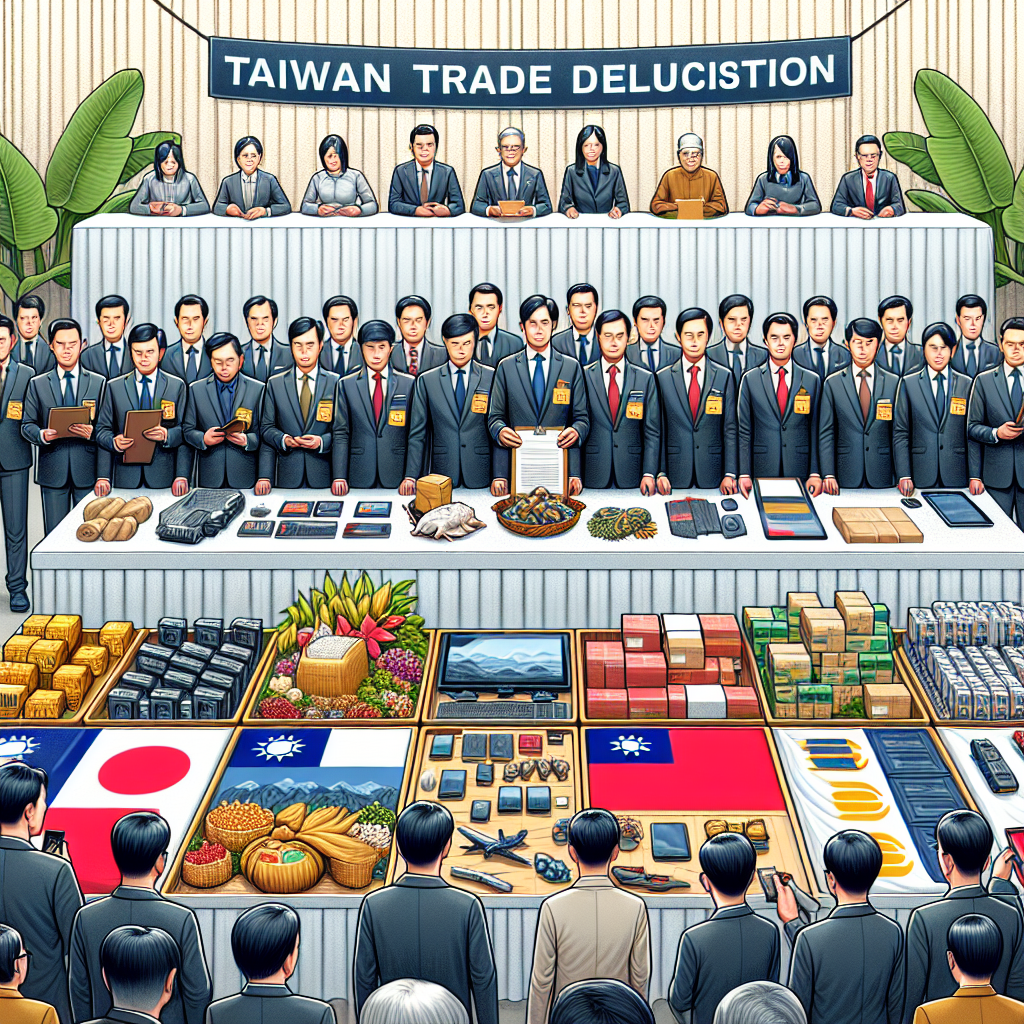
Taiwan's President, Lai Ching-te, announced on Friday that the recently imposed 20% tariff by the Trump administration on imports from Taiwan is a temporary measure. The government remains hopeful of negotiating a more favorable rate. Key sectors such as semiconductors and technology will face distinct U.S. tariffs yet to be finalized.
President Trump's Thursday executive order established tariffs ranging from 10% to 41% on imports from various trade partners. Although Taiwan's 20% tariff is lower than the 32% threatened earlier, it surpasses the 15% tariffs Japan, South Korea, and the European Union secured through trade agreements.
Lai emphasized that the 20% tariff was not Taiwan's target and reassured continued negotiations to secure a better rate. A U.S. official confirmed that ongoing negotiations are on track. The conclusion of a national security probe will determine tech-related tariffs. Taiwan, affected by its significant trade deficit with the U.S., views these talks as vital for economic and defense collaboration.
ALSO READ
-
EU Firms Rethink Supply Chains as Geopolitical Risks Reshape Global Trade
-
Trade War Chessboard: Agriculture, Energy, and Rare Earths in Focus
-
High-Stakes Diplomatic Dance: Trump and Xi's Crucial Summit
-
Screwworm Resurgence Threatens U.S.-Mexico Livestock Trade
-
Trump and Xi Set for High-Stakes Summit: Trade, Taiwan, and Technology in Focus


 Google News