

Maersk Navigates Uncertain Waters as U.S.-Iran Ceasefire Opens Strait of Hormuz
Maersk observes potential shipping opportunities in the Strait of Hormuz following a U.S.-Iran ceasefire, but emphasizes ongoing caution. The conflict, involving initial U.S.-Israeli strikes and subsequent Iranian actions, has dramatically affected Gulf shipping and global supply chains. Maersk prioritizes risk assessment and authority guidance in their decisions.
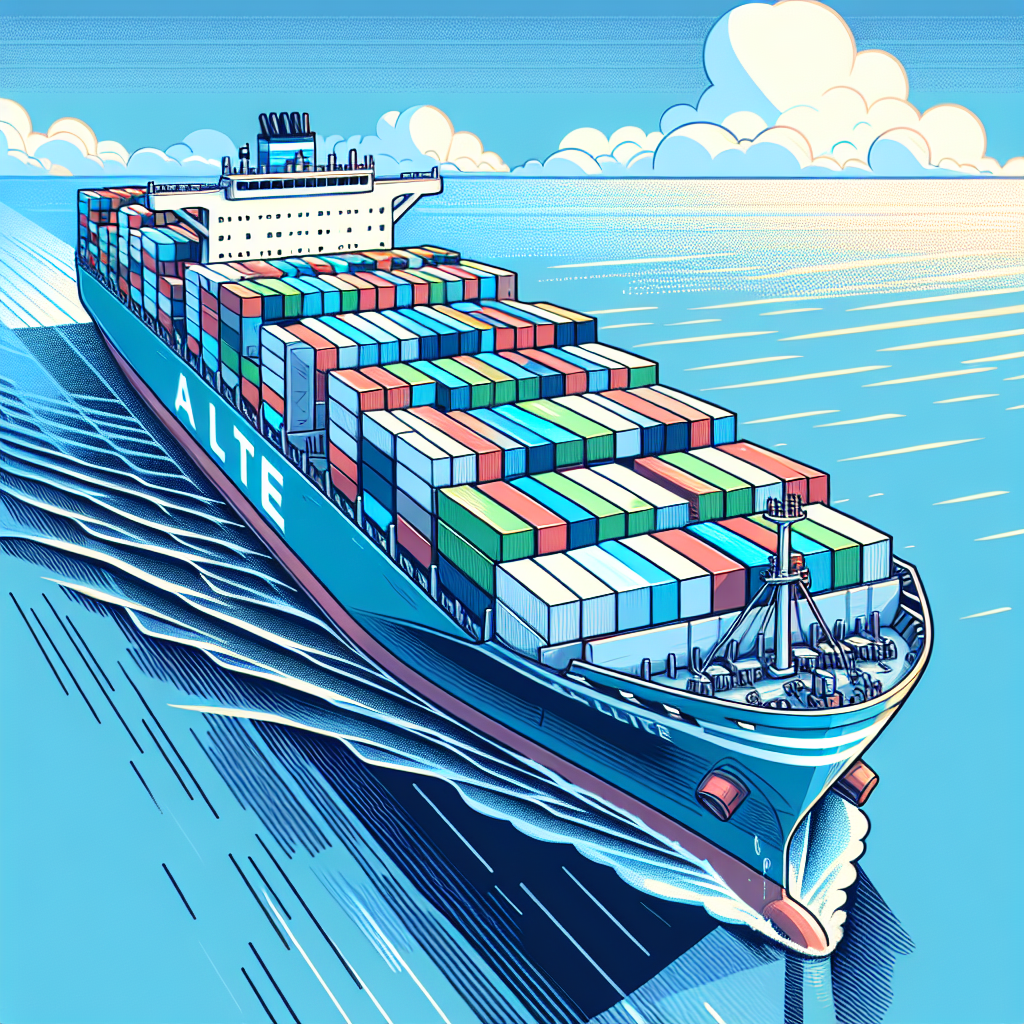
The Danish shipping conglomerate Maersk announced on Wednesday that a U.S.-Iran ceasefire might create transit possibilities for vessels in the strategically crucial Strait of Hormuz. However, the company noted that full maritime certainty remains elusive.
The conflict initially erupted with U.S.-Israeli strikes on Iran in February, leading to retaliatory Iranian actions throughout the region and the temporary shutdown of the Strait of Hormuz. These developments have severely disrupted Gulf shipping operations and global supply chains.
In a statement to Reuters, Maersk indicated that any decision to transit the Strait would depend on ongoing risk assessments, careful monitoring of the security situation, and authoritative guidance. Maersk remains cautious, with no immediate changes planned for specific services.
ALSO READ
-
Middle East’s Economic Shock Deepens as Hormuz Closure Hits Gulf and AI Opens Doors
-
Food Price Shock Could Push 11.7 Million More Women and Girls Into Hunger in 2026
-
South Korean Stance on Middle East Conflict
-
Middle East Tensions Threaten Global Oil Supplies
-
Tanker Trouble: Togo Vessel's Fiery Halt in Hormuz


 Google News