

IDB approves US$100m project to support COVID-hit people in Guatemala
The goal is to ensure a minimum income for these people right now and as the country recovers from the health crisis, with the help of a family voucher.
- Country:
- Guatemala
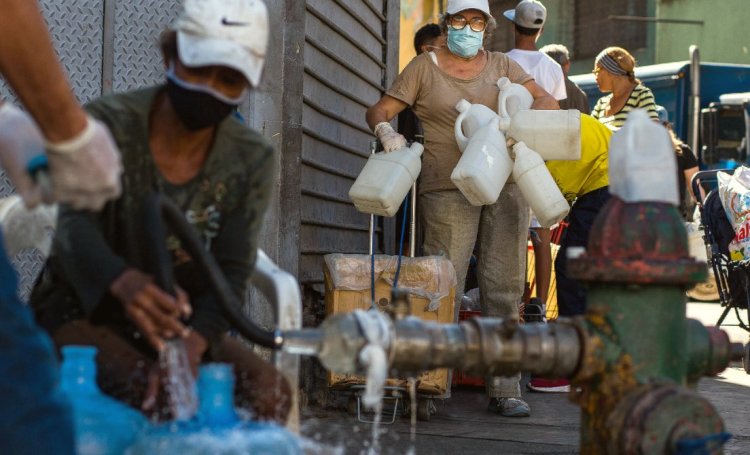
The Inter-American Development Bank has approved a US$100 million project to support vulnerable populations in Guatemala which have been affected by emergency measures taken to battle the COVID-19 pandemic. The goal is to ensure a minimum income for these people right now and as the country recovers from the health crisis, with the help of a family voucher.
Before the pandemic hit in Guatemala, nearly 85% of the population lived in poverty or in a precarious situation, meaning they have no way to sustain their consumption level against temporary shocks or drastic reductions in their daily income such as those triggered since the start of the pandemic. In fact, recent data from greater Guatemala City show that 70% of those questioned saw their income fall, half of them by more than 25%.
The program will consist exclusively of money transfers carried out with a so-called Family Voucher. The eligible beneficiaries of this project will be people living in homes with no electricity or in places with high levels of poverty, as well as those with access to fewer than 200kWh of electricity per month as measured in February of this year.
This funding aims to help vulnerable people maintain minimum levels of consumption amid the pandemic, which has hindered their ability to earn money. The goal is to help people that live without electricity, who will account for around 10% of those who receive the family voucher, and indigenous people, in particular those who also lack electricity in their homes.
The US$100million operation has a reimbursement period of 23.5 years and will be carried out over 18 months, and features an interest rate pegged to the LIBOR.
ALSO READ
-
IDB Approves $243m to Bring More Reliable Power to Brazil’s Santa Catarina
-
IDB Approves $70 Million to Improve Drinking Water for 345,000 People in Honduras
-
World Leaders Push for Fairer Pandemic Protection as COVID’s Heavy Toll Drives Action
-
Miami Transport Forum to Connect Latin America’s Infrastructure Plans With Investors
-
IDB Approves $400 Million for Argentina to Strengthen Security and Reform Prisons


 Google News