

Sterling Rises Amid Economic Data Awaiting BoE Clues
Sterling edged upward as investors anticipated further hints from the Bank of England's monetary policies via the S&P Global Composite Purchasing Managers' Index. Despite unexpected British inflation, sterling has risen to its highest point since July 2023. Analysts suggest sterling is more appealing due to its lesser dependence on the Chinese economy compared to the Australian dollar and its relatively stable political landscape compared to the euro area.
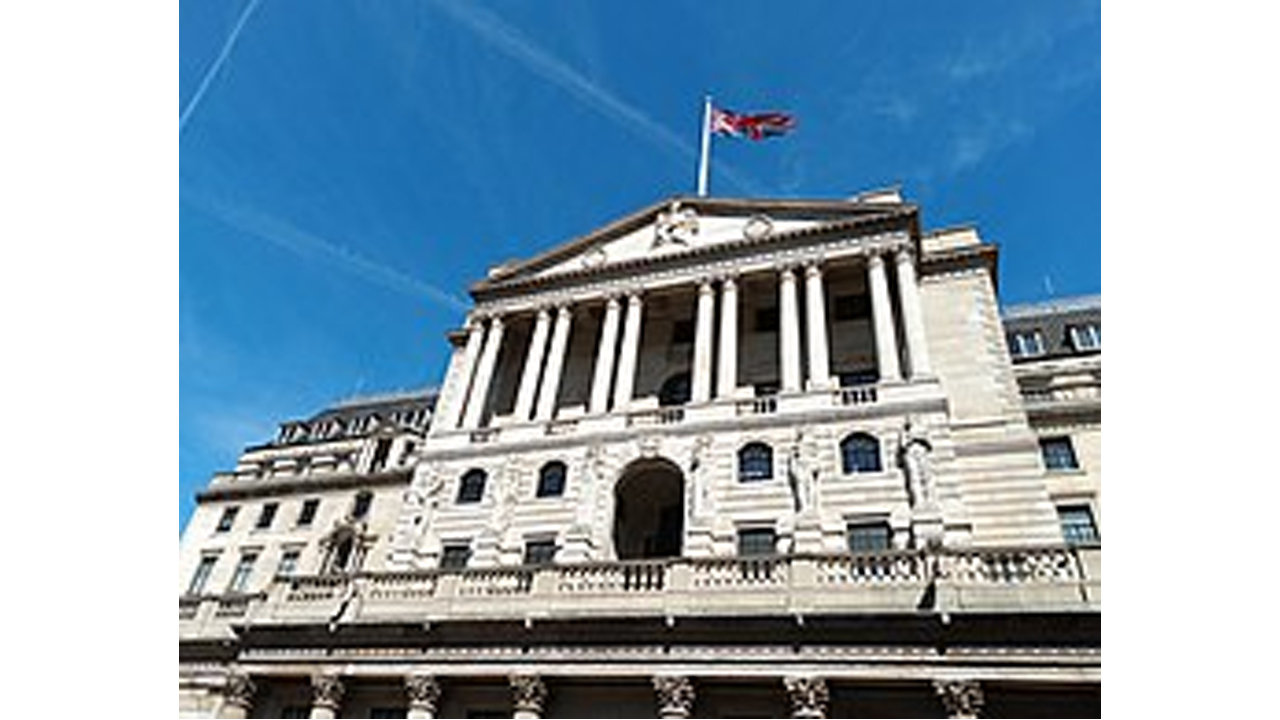
Sterling edged slightly upward as investors awaited further insight into the Bank of England's monetary strategy from the upcoming S&P Global Composite Purchasing Managers' Index. Long positions have surged for a third straight week, reaching an all-time high of $10.769 billion.
Unexpected British inflation last week led investors to reduce bets that the BoE will start slashing rates next month for the first time since 2020. Sterling saw a 0.05% increase to $1.2935 after climbing to $1.3044 last week, its highest since July 2023.
The euro remained stable at 84.22 euros per pound, following a 1-1/2-week peak of 84.32 on Friday. Analysts highlighted sterling's appeal compared to other 'risky' currencies, noting its lower dependence on China's economy and Britain's more stable political outlook relative to the euro area.
New finance minister Rachel Reeves is poised to present her first budget after the summer recess. Both she and Prime Minister Keir Starmer have ruled out hikes in income tax, corporation tax, and VAT, limiting room to enhance public services and boost investment.
'The Bank of England's broad trade-weighted sterling index is now barely 3% away from pre-Brexit levels traded in June 2016,' remarked Chris Turner, ING's head of forex strategy. 'Some argue that this reflects a reduction in the Brexit risk premium, helped by Keir Starmer's intent to engage more with Europe.'
If the BoE cuts rates in August, it should not significantly alter sterling's outlook if the Federal Reserve follows suit in September. Market odds show a 40% chance of an August rate cut by the BoE, rising to over 80% for September.
Concerns linger over the UK's economic prospects, especially after recent weak data. 'If a light breeze can derail the economic recovery, it suggests it wasn't particularly robust,' commented Benjamin Nabarro, chief UK economist at Citi, referring to disappointing retail sales figures from Friday that cast doubt on underlying momentum.
British retail sales volumes dipped more than expected in June due to cooler weather deterring shoppers.


 Google News