

Rise of AI in China: The Robotaxi Revolution
Liu Yi, a ride-hailing driver in Wuhan, is wary of job loss as China's robotaxi industry grows rapidly. Supported by major firms like Baidu and Toyota-backed Pony.ai, robotaxis are transforming urban transport. The Chinese government has green-lit aggressive trials, contrasting sharply with the U.S.' more cautious approach.
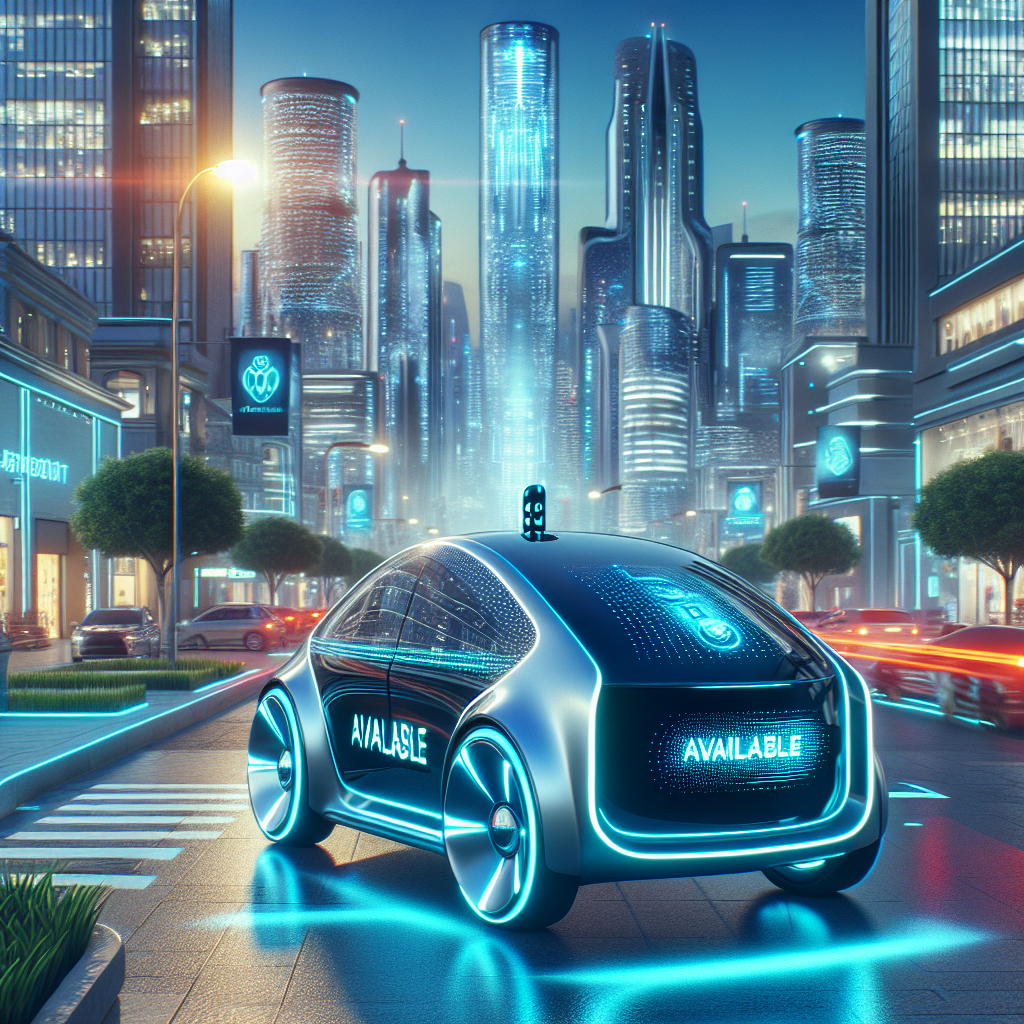
In Wuhan, Liu Yi stands next to his car, predicting another crisis as he watches neighbors order driverless taxis. Liu, a 36-year-old part-time ride-hailing driver, fears the rise of robotaxis will leave many drivers jobless. This concern comes as China's robotaxi industry, led by tech giants like Baidu, expands aggressively.
As China's Ministry of Industry and Information Technology stays silent, Liu and thousands of other drivers find themselves among the first to face potential job loss from artificial intelligence. The nation has moved swiftly to green-light trials, putting it ahead of the U.S., which adopts a more cautious approach after accidents.
Economists warn that while automation could benefit China in the long run, it necessitates a careful balance to avoid rapid job destruction. Some worry that the government's aggressive push could outpace the creation of new employment opportunities.


 Google News