

Canada's Fiscal Turmoil: Budget Blows Surprise Hole Amid Political Shifts
Canada's fiscal update showed a deficit of C$61.9 billion, significantly higher than forecasted, leading to Finance Minister Chrystia Freeland's resignation. Pandemic-related spending and one-off costs are largely blamed. The government has now shifted focus to maintaining its debt-to-GDP ratio as economic uncertainties loom.
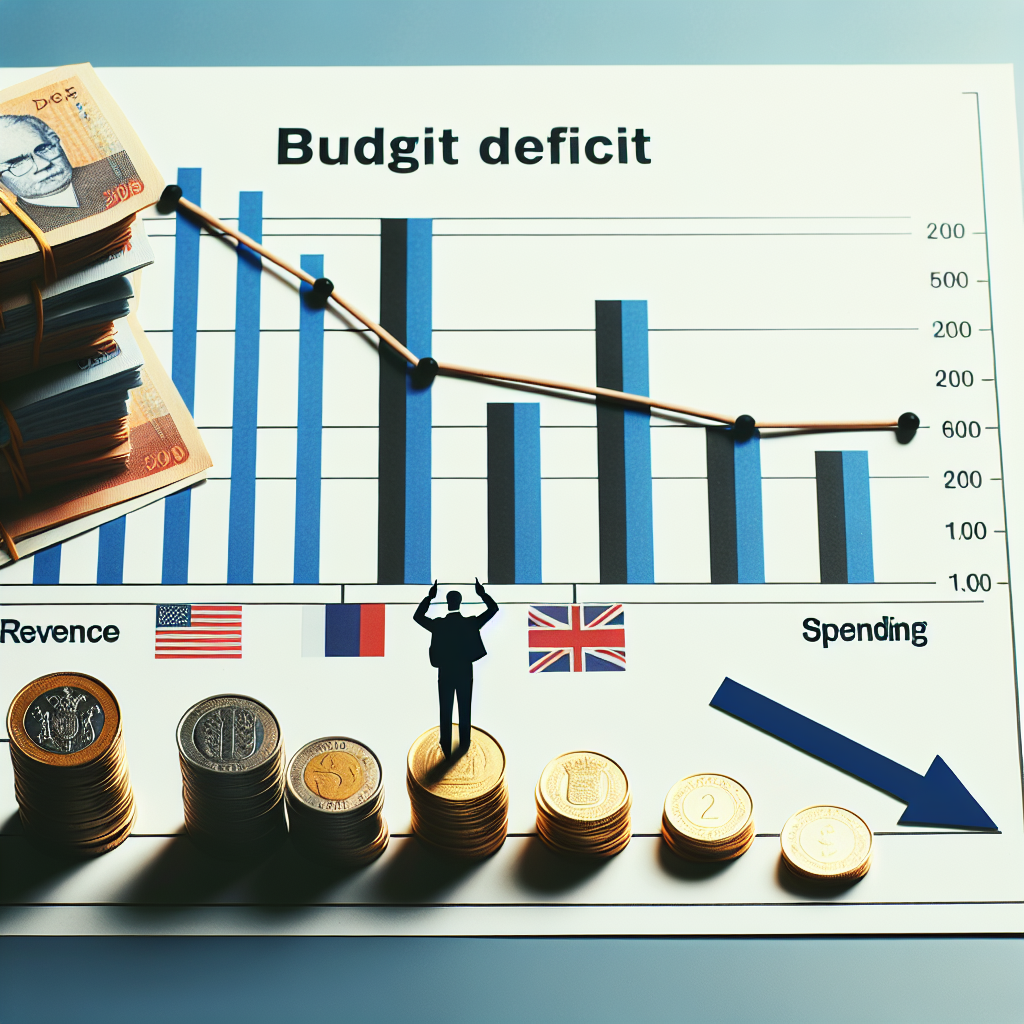
Canada is facing an unexpected financial challenge as its recent fiscal update revealed a deficit of C$61.9 billion, far exceeding projections. The revelation coincided with the surprise resignation of Finance Minister Chrystia Freeland, who departed over disagreements with Prime Minister Justin Trudeau regarding government expenditures.
The Fall Economic Statement, delayed this year, heightened concerns among economists who predicted the government might not meet its fiscal goals. Challenges such as Indigenous contingent liabilities and ongoing pandemic-related expenses have contributed to the ballooning deficit figures.
The government has now realigned its objectives, focusing solely on maintaining a declining debt-to-GDP ratio amid a tumultuous economic climate. As Canada braces for potential tariff threats from the U.S. and anticipates a decrease in GDP growth, it remains committed to securing its borders and reducing immigration numbers.


 Google News