

World Bank Approves $250M for Morocco’s Climate-Resilient Agri-Food Systems Transformation
The agri-food sector is a cornerstone of Morocco’s economy, contributing 16% of its gross domestic product (GDP) and 19% of its total exports in 2023.
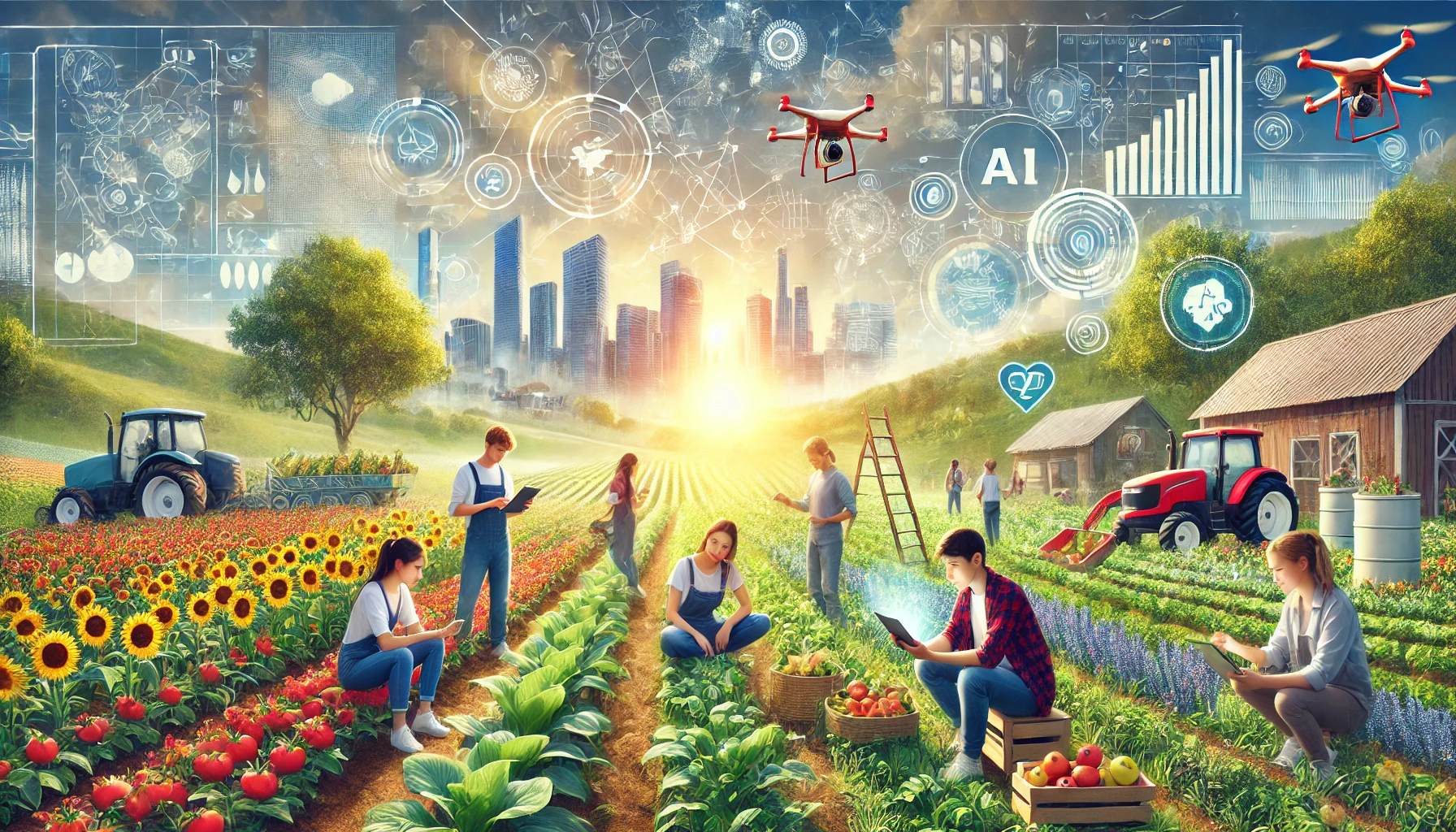
The World Bank's Board of Directors has approved $250 million to support the Morocco Transforming Agri-Food Systems Program, a landmark initiative to enhance the resilience of Morocco's agri-food sector to climate change and improve food safety and quality.
The agri-food sector is a cornerstone of Morocco's economy, contributing 16% of its gross domestic product (GDP) and 19% of its total exports in 2023. It employs 67% of the rural workforce and 36% of all jobs nationwide, with 30% in primary agriculture and 6% in agri-processing.
However, the sector faces mounting challenges due to prolonged droughts, which have severely impacted production, particularly in rainfed grain farming. This underscores the urgent need for a climate-resilient transformation to ensure food security, sustainable development, and economic stability.
Objectives of the Program
The newly approved program seeks to address these challenges by:
Enhancing Climate Resilience:
Promoting climate-smart agriculture practices such as no-till farming.
Improving water and soil management through conservation agriculture.
Expanding climate-adaptive agricultural insurance systems.
Boosting Food Safety and Quality:
Supporting the expansion of organic farming to 25,000 hectares.
Enhancing olive oil quality control.
Upgrading sanitary standards at approximately 1,200 food outlets to mitigate health risks.
Improving Livelihoods and Market Access:
Stabilizing yields and incomes for farmers.
Facilitating better market access for quality food products.
Reducing food loss and waste through strengthened supply chains.
Program Impact
The initiative is expected to benefit 1.36 million people, including nearly 120,000 farmers and over one million consumers, by improving food safety, nutritional security, and agricultural productivity.
"By supporting an ambitious scale-up of climate-smart agricultural practices, this innovative program will help Morocco secure green jobs in rural areas and enhance national food security, aligning with the Generation Green 2020-2030 program," said Ahmadou Moustapha Ndiaye, the World Bank's Country Director for the Maghreb and Malta.
Strategic Enhancements through Livable Planet Fund
The program will also receive a $5 million grant from the Livable Planet Fund (LPF) to support small-holder farmers. This grant will implement an innovative scheme of decoupled incentives to ease the transition from conventional to climate-smart farming practices.
Broader Benefits
The Program aligns with Morocco's broader goals to combat climate risks and promote sustainable development. By modernizing agricultural practices and infrastructure, it will:
Contribute to national greenhouse gas reduction goals.
Safeguard natural resources.
Enhance food security and quality for future generations.
This initiative cements Morocco's commitment to sustainable agriculture and positions the country as a leader in climate-adaptive food systems in the region.
ALSO READ
-
Tanzania’s Growth Gains Need Better Jobs to Bring Lasting Prosperity to More Families
-
Better Schools, Stronger Economy: Saudi Arabia Eyes a Major Growth Dividend From Education
-
World Bank’s Billion-Person Digital Push Puts Affordable Internet and AI at Center Stage
-
Tanzania’s Economy Gains Momentum, but Better Jobs Hold the Key to Broader National Prosperity
-
Tanzania’s Growing Economy Puts Better Jobs at the Heart of Its Next Growth Chapter


 Google News